
Protecting Your Roof in the First 24 Hours After Hail
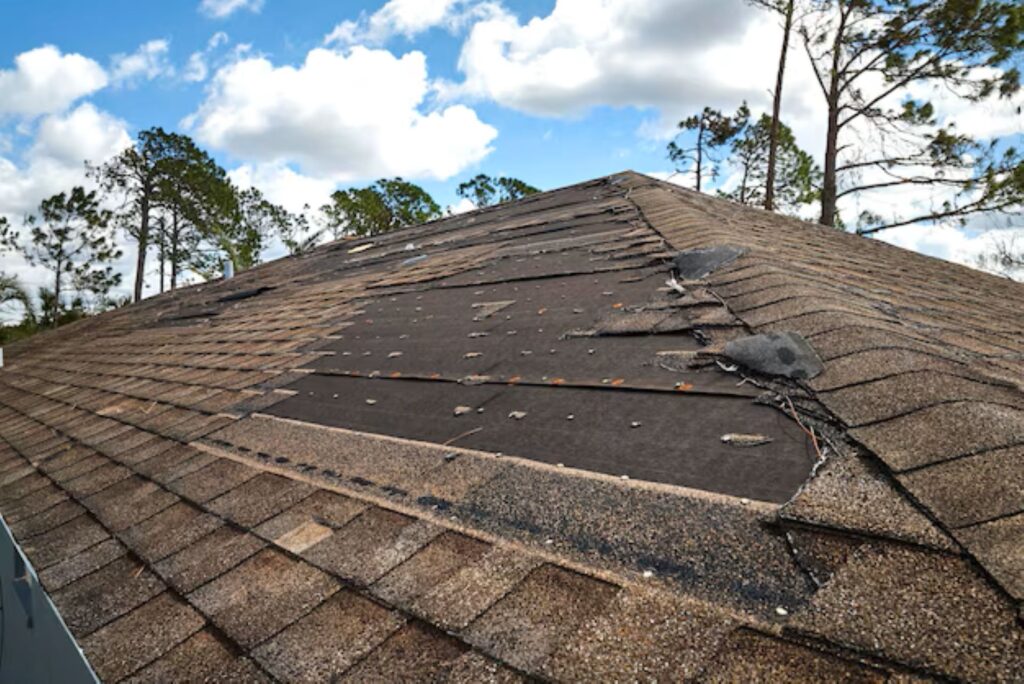
After a hailstorm, your roof can go from healthy to vulnerable in a few minutes. In our Kansas City area, early spring storms bring hail, strong winds, and quick temperature swings that can turn a minor hit into a bigger problem. Even if the roof still looks “okay” from the street, hidden impact damage can let water find its way inside.
The goal in the first 24 to 72 hours is simple: stay safe, keep as much water out as you can, and stabilize the home or building until permanent repairs are made. You are not trying to rebuild the roof overnight. You are making smart emergency roof repair decisions that buy you time and protect people and property.
After a hailstorm, we use a basic decision framework to guide the first moves. It helps you decide whether a tarp is the right call, whether a small patch is enough, or whether you should avoid the roof entirely and shut down areas inside until a professional can inspect.
- When is a tarp the right move?
- When is a small patch enough?
- When do you avoid the roof completely and shut down areas inside until a professional can inspect?
Let us walk through how to sort that out step by step.
Safety First Before Any Roof or Ladder
The first rule after any hailstorm is simple: if it is not safe, stay off the roof. There are some clear red flags that mean only trained roofing professionals with safety gear should be up there. If you see or suspect any of the following, do not climb up.
- Active lightning or thunder in the area
- Strong, gusty winds still moving tree limbs or debris
- Visible sagging in any section of the roof
- Spongy or soft spots you can feel from inside in the ceiling
- Partial collapse or a visible dip in the roofline
- Large tree limbs resting on the roof structure
Before you even think about a ladder, do an interior safety check. Walk the property slowly and look and listen for warning signs that suggest active water intrusion, electrical risk, or structural stress.
- Ceiling bulges, especially if they look like a bubble of water
- Audible dripping behind walls or in light fixtures
- Bowed or cracked drywall on ceilings or upper walls
- Sparks, buzzing outlets, or tripped breakers near any wet area
- A strong smell of gas, chemicals, or smoke after the storm
If you see signs like these, you may need to shut down power to part of the structure or keep people away from certain rooms. Do not flip light switches or reset breakers in spaces where water is present.
Even if you never leave the ground, you can still take practical steps that reduce damage and improve your documentation for the next phase.
- Take photos and short videos of the roof, siding, gutters, and yard from a safe distance
- Block off any area under a sagging ceiling or active drip
- Place buckets, towels, or plastic sheeting under leaks
- Move furniture, electronics, and rugs away from wet spots
Then, call your insurer and an emergency roof repair specialist. In many cases, leaving roof access to a trained crew is the safest choice.
When to Tarp the Roof for Short-Term Protection
A roof tarp is a temporary shield, not a fix. It is the right move when there is open exposure and water is getting in or likely to get in soon. In other words, tarping is generally about preventing immediate water intrusion when the roofing system has been opened up by hail and wind.
Tarping is usually appropriate when:
- Shingles or metal panels are missing after hail and wind
- You can see obvious holes or punctures from the ground or attic
- Roof decking is visible anywhere
- You have active leaks during ongoing rain or melting sleet or snow
A well-installed tarp does not just cover the bare spot like a bandage. It overlaps healthy roofing above the damage, is anchored correctly, and is laid so water flows over it and off the roof. That kind of setup can buy 24 to 72 hours of protection and often prevents the most common interior and structural moisture problems.
- Soaked insulation and drywall
- Warped or swollen framing lumber
- Early mold growth in ceilings and wall cavities
We strongly recommend that tarps be installed by professionals. A DIY tarp that is too small, not tight enough, or nailed in the wrong places can create new problems instead of solving the original one.
- Blow off in the next gust of wind
- Funnel water into the very area you were trying to protect
- Create trip or slip hazards that lead to falls
For hailstorms in the Kansas City region, local roofing crews understand how our winds and quick temperature changes affect tarps and materials. That local experience helps keep your emergency protection in place until a long-term repair is ready.
When a Quick Patch Is Better Than a Full Tarp
Not every hail-hit roof needs to be wrapped in a giant blue tarp. Sometimes, a focused patch is safer, faster, and just as protective in the short term, especially when the damage is limited and the roof is otherwise stable.
A quick patch can be the best move when:
- Only a small group of shingles is cracked or bruised
- There are tiny impact holes around vents, flashing, or pipe boots
- The damage is on a low-risk area, like over a porch or detached garage
- The roof is otherwise stable and not actively leaking in many places
In those cases, a professional emergency patch may include one or more targeted fixes designed to close gaps and reduce water entry without covering large roof sections.
- Swapping out a few damaged shingles with temporary replacements
- Sealing around vents, pipe boots, and flashing where hail opened gaps
- Covering fractured shingles or small holes with compatible roofing cement or membrane
- Tightening or replacing loose fasteners on a metal roof panel
These targeted repairs can deliver meaningful protection in the first 24 to 72 hours. They tend to be quicker than full tarping, reduce wind-related complications, and keep the focus on the exact areas where water is most likely to enter.
- Less labor than setting a full tarp
- Lower wind risk, since there is less surface area to catch gusts
- More targeted protection right where water is most likely to enter
- A stable setup while you schedule a full inspection and long-term plan
A good roofing team will choose between patching and tarping after a close look at your specific hail damage, roof type, and weather forecast.
When to Shut Down Areas and Call in a Pro
Sometimes the safest emergency roof repair decision is not about tarping or patching at all. It is about keeping people away from areas that could fail. If the building shows signs of ongoing water flow, fast-spreading stains, or possible structural movement, the priority shifts to limiting risk to occupants.
You should close off certain rooms or zones if you notice:
- Steady, continuous dripping from the ceiling or light fixtures
- New structural cracks in walls or ceilings after the storm
- Water stains that spread quickly over minutes or hours
- A ceiling that is sagging more than about an inch compared to nearby areas
- Debris falling from above, even in small pieces
When you shut down an area, do it carefully and methodically. The goal is to keep people safe while reducing the chance of additional loss to valuables and finishes.
- Move family members, tenants, or employees to a different part of the building
- Relocate valuables, documents, and electronics to dry rooms
- Cover remaining furniture and flooring with plastic sheeting if it is safe to do so
- In commercial buildings, use caution tape, cones, or signs so people do not walk into hazardous zones
- Avoid using light switches, outlets, or breakers in any wet space
After that, focus on documentation and coordination. Take photos of the damage as it changes, then work with your insurer and a licensed roofing company to plan temporary stabilization and moisture control, along with a clear path to permanent repair.
- Temporary stabilization, like shoring up weak areas or adding supports
- Moisture mitigation, such as drying out wet materials before mold starts
- A clear path for repair or replacement of the roof and affected exteriors
Your 24- to 72-Hour Post-Hailstorm Action Checklist
When hail hits, it is easy to feel overwhelmed. A simple checklist can keep you focused on the right steps at the right time.
First 0 to 12 hours:
- Confirm everyone is safe and check for obvious hazards inside and outside
- Look for sagging ceilings, active leaks, or downed power lines and keep clear of them
- Document visible damage from the ground with photos and short videos
- Contain interior leaks with buckets, towels, and plastic if safe
- Make initial calls to your insurance company and a trusted roofing professional
12 to 24 hours:
- Allow the roofing contractor to inspect from the exterior and attic if possible
- Let them decide if tarping, quick patching, or shutting down areas is the best short-term move
- Begin emergency roof repair steps to slow or stop water intrusion
- Protect other exterior elements like gutters, siding, windows, and decks from further damage
24 to 72 hours:
- Schedule and complete a full roof and exterior inspection
- Review photos and findings from the roofing team so you understand the damage
- Get a written plan that explains recommended repair or replacement options
- Confirm timelines for permanent fixes and ask how they will coordinate with any solar or EV equipment, as well as exterior features like siding and windows
Working with a local Kansas City expert like Pro Roofing & Solar means your team understands regional hail patterns and how roof damage can affect your whole exterior system. That knowledge helps you make better decisions in the first 72 hours, so your property is safer, drier, and ready for long-term repairs when the weather calms down.
Get Started With Your Project Today
If your roof has been damaged by wind, hail, or sudden leaks, we are ready to help restore your home’s protection quickly and safely. Our team specializes in fast, reliable emergency roof repair so you can prevent further damage and get back to normal as soon as possible. Reach out today and let Pro Roofing & Solar inspect the problem, explain your options, and prioritize the right solution for your home. If you need to schedule service or ask questions, simply contact us and we will respond promptly.