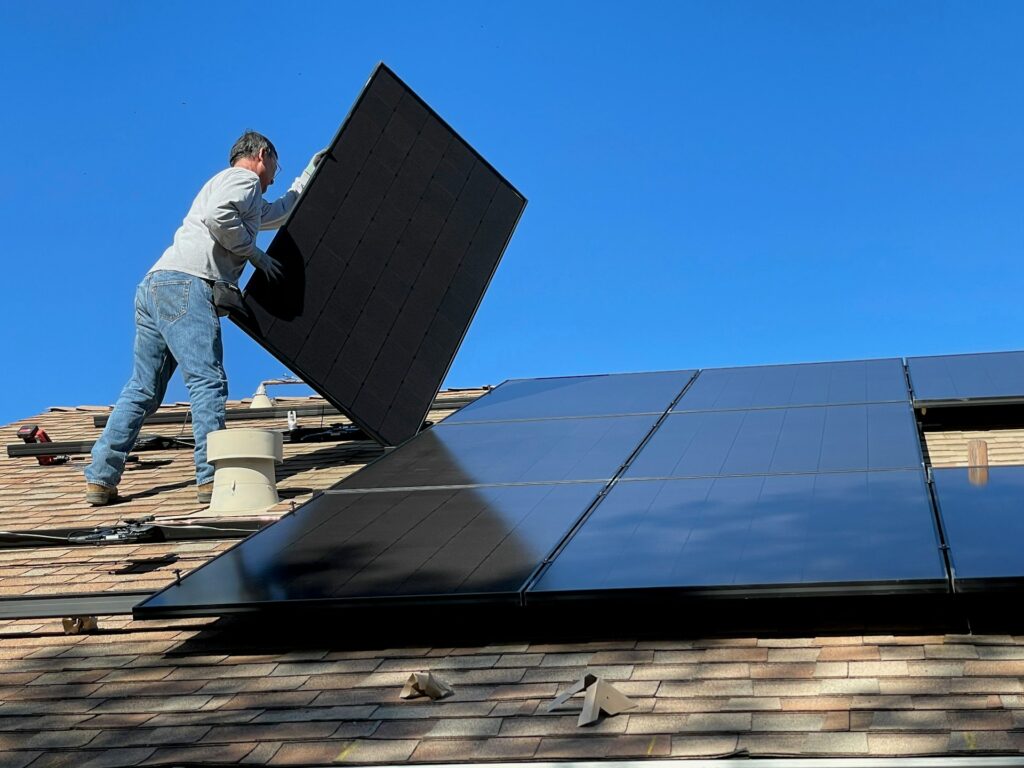
Evergy Energy Updates: Battery Storage, Solar & Cool Roofs
Battery Storage Pilot: What We Learned After three years, Evergy’s Missouri Residential Battery Storage pilot program has wrapped up—with encouraging results. Launched in 2023 across 50 homes, this pilot gave us a real-world view of how home batteries can benefit customers and the grid. Smarter Energy Use Batteries charged during lower-cost periods and discharged during peak hours (4-8 pm), helping reduce strain on the grid. By the program’s final year, peak-time discharge increased 50% from year one, avoiding more than $11,000 in energy costs for program participants. Strong Results with Solar For homes with rooftop solar (about 30 participants), the benefits were even greater. By the final year, up to 88% of battery charging came from customers’ solar systems, storing midday energy production for use during times of high demand. Customer Savings Homes on time-based rate plans saw the biggest cost benefits, with average savings of 10-18%. Results varied by rate plan, offering insight into how future programs can deliver even more value. At the end of the program, participants were given the option of purchasing the battery system (or returning it), and almost 2/3 kept it, showing that customers saw real value in battery storage. Reliable Backup Power Batteries performed exceptionally well during outages, keeping essential equipment running in nearly every case. Customers agreed: 82% ranked backup performance as excellent. Looking Ahead The pilot also tested how batteries integrate with devices like smart thermostats and EV chargers, helping prepare for a more connected, flexible, and cleaner energy system. Why It Matters Home batteries can improve resilience, enable smarter energy use, support solar growth, and strengthen the grid. These learnings will help shape future programs for customers across Evergy’s service area. While the Missouri program has concluded, a similar pilot program is still running in Kansas. EVs at the Speedway Last month, Evergy gave business owners and fleet managers a firsthand look at electric fleet technology during the Behind the Wheel event at the Kansas Speedway. Participants rode in a range of electric vehicles (including a school bus and police vehicles) around the Kansas Speedway racetrack. Attendees also learned about the process of converting their fleet to electric and about EV charging rebates for businesses and municipalities. New Solar Generation Evergy is expanding solar energy capacity with the construction of a new solar array in Kansas. Sunflower Sky Solar Center, a 65 MW facility south of Altoona in Wilson County, Kan., is currently being built, with completion expected in 2027. In addition to this new location, Evergy currently operates the 10 MW array at Hawthorn power plant near Kansas City, Mo., the 1.2 MW solar facility near South Hutchinson, Kan., and the 3.1 MW array in Greenwood, Mo. Altogether, Evergy will have enough solar to power more than 16,000 homes annually with the sun’s energy. The City of Chanute recently teamed up with Evergy Energy Partners to bring a new solar facility online in spring 2026. The project delivers about 7.65 MW of locally generated renewable energy—enough to power more than 1,200 homes each year—while also helping the city manage rising energy costs and diversify its energy mix. Cooling Kansas City Excessively hot urban environments are linked to high energy usage, lower air quality, and adverse health outcomes. Evergy, along with local agencies, is exploring how simple mitigation tactics like planting trees, developing more green spaces, and using reflective roof coatings can help reduce ambient temperatures in economically disadvantaged urban areas. Evergy’s Urban Heat Island Cool Roofs program has so far coated 146,000 square feet of urban rooftops, mainly along the Independence Avenue corridor in Kansas City, Mo., with reflective, white materials, with additional projects underway. These “cool roofs” help reflect sunlight and absorb less heat, which keeps buildings cooler and reduces the need for air conditioning during the hottest months. Alongside ongoing green-space projects, the goal is to reduce neighborhood ambient temperatures compared to neighboring areas. Smart Thermostats and Energy Savings A smart thermostat is a powerful tool that can help you cut energy costs and stay comfortable in every season. You can schedule your home’s temperature from a smartphone while you are away, so your home will be the perfect temperature when you return. It’s easy to make seasonal adjustments. In the summer, keeping your thermostat 5–8 degrees warmer when no one is around can help you save energy. In the winter, keeping your thermostat 5–8 degrees cooler when you are away can have the same effect. Your thermostat can “learn” to automatically set heating and cooling schedules based on how you’ve used the thermostat over time. (Learning features vary by model.) If you have a compatible smart thermostat, enroll it in the Evergy Thermostat Program and earn a $100 reward. Don’t have a smart thermostat yet? Get a free or discounted one through Evergy. Interested in learning more about battery storage, solar energy, EV programs, and energy-saving incentives? For additional resources and program information visit the official Evergy website .
Evergy Energy Updates: Battery Storage, Solar & Cool Roofs Read More »