
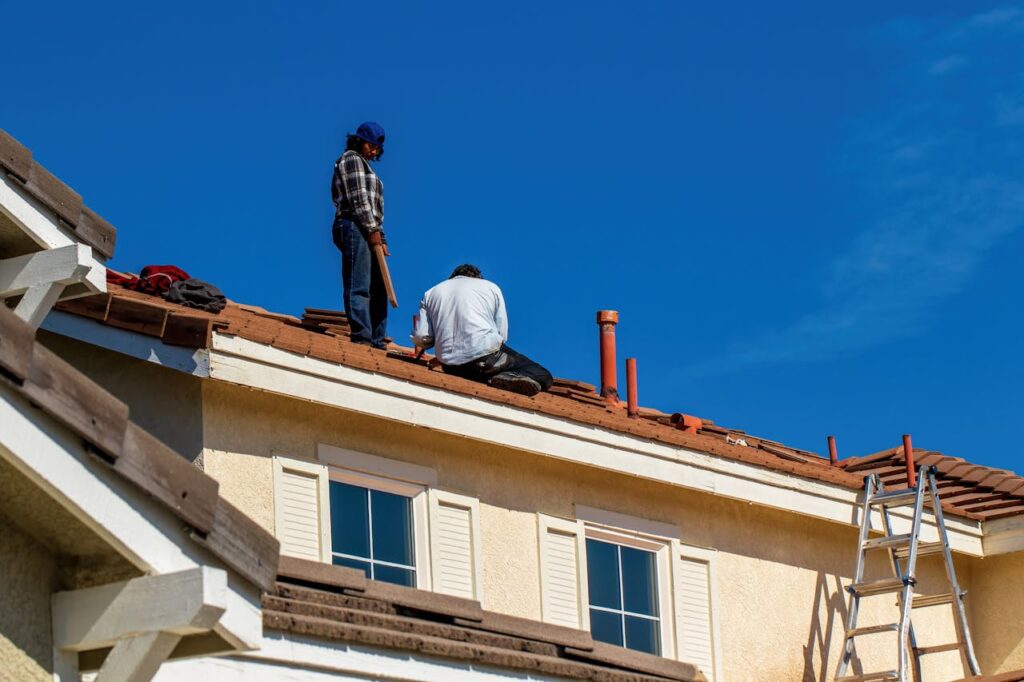
Protect Your Roof Before Midwest Storm Season Strikes
Midwest spring and early summer storms hit hard. From May through July, roofs in our area are hit with hail, high winds, driving rain, and even tornado activity. When your roof is not ready before those systems roll through, small issues can turn into big leaks and unsafe conditions in a hurry.
Being unprepared can mean property damage, ruined interiors, business downtime, and long fights with insurance. It can also mean people walking under wet ceilings, tripping over buckets, or trying risky DIY roof work in the dark. That is when emergency roof repair becomes stressful and chaotic instead of calm and controlled.
This is why we believe in a simple, proactive playbook. With a clear plan, homeowners, property managers, and business owners can act before storms hit, protect people, reduce damage, and speed up recovery. As a Kansas City-based exterior contractor, we see Midwest storm patterns every year and know how much easier things go when there is a plan in place ahead of time.
Know Your Roof’s Vulnerabilities Before the First Siren
Every roof has weak spots, even if it looks fine from the street. The first step in your playbook is to understand where those weak spots are before the sirens ever sound.
Common risk factors include:
- Roof age and past repairs
- Material type, such as asphalt, metal, or flat systems
- Areas where water tends to pond or drain slowly
- Nearby trees that drop branches or rub on shingles
- Loose or rusted flashing around chimneys, walls, or skylights
A pre-season professional inspection can bring these issues to light. A reputable contractor will look at shingles or membranes, decking, underlayment, ventilation, flashing, gutters, skylights, and any solar attachments. Fixing small problems before high wind and hail arrive means you are less likely to face emergency roof repair later.
Create a simple roof risk profile. Walk the property with the inspector and:
- Mark weak points and “watch” areas on a sketch or site plan
- Note priority zones over living spaces, server rooms, or tenant units
- Take clear photos of each area so you can compare them after a storm
If you have solar or EV chargers tied into the building, include them in the review. Mounts, wiring, and penetrations should be sealed correctly and secured so they are ready for high wind and flying debris.
Build Your Emergency Roof Repair Supply Kit Now
When a storm passes, you do not want to be digging through random boxes to find one roll of tape. A simple, organized supply kit lets you act quickly and safely while you wait for professional help.
For temporary patches and short-term protection, store:
- Heavy-duty tarps and plastic sheeting
- 2×4 battens, roofing nails or screws, roofing cement, and sealant
- Duct tape, sandbags, and safety cones or caution tape
Safety must always come first. Keep a separate container with:
- Non-slip shoes or boots, gloves, eye protection, and hard hats
- Headlamps or flashlights with spare batteries
- An extension ladder with stabilizers and, where needed, harnesses
Set clear rules for your household or team about when not to get on the roof. No one should be climbing in lightning, high winds, hail, or when there may be structural damage.
You will also need documentation and communication tools:
- Charged power banks
- Printed contact lists for your roofing contractor, insurance, and utilities
- A charged, camera-ready phone or simple disposable camera
- A basic emergency roof repair checklist for whoever is on site
Larger properties should consider dedicated storage closets or kits for each building. Label them with the building name or number and keep standardized instructions inside so any trained team member knows what to do when a storm passes.
Lock in Vendors and Contracts Before Storms Hit
Trying to find a roofing contractor in the middle of a storm outbreak can be stressful. Phone lines are busy, crews are booked, and it can be hard to tell who is reliable. Pre-vetting storm response partners gives you a big advantage.
When you compare roofing contractors, look for:
- Proper licensing and insurance
- Local experience with Midwest hail, wind, and heavy rain
- Manufacturer training or experience with your roof type
- Clear emergency response capabilities, not just low price
Ask about service or maintenance agreements that include priority emergency roof repair. These can outline response times, after-hours protocols, and clear steps for temporary versus permanent fixes. Knowing what to expect helps you make faster decisions when the next storm hits.
It often helps to have one trusted contractor who can handle roofing, gutters, siding, windows, decks, and solar. That way, you are not stuck managing several vendors or dealing with finger pointing when you are trying to dry out your building.
Talk through insurance and documentation roles ahead of time. Decide who will:
- Take inspection and damage photos
- Write scopes of work
- Meet with the adjuster on site
- Track changes if new damage is uncovered
A little clarity now can prevent delays, coverage disputes, and repeat work after a major hail or wind event.
Create Access Plans for Fast, Safe Post-Storm Response
Even the best contractor cannot help if they cannot reach your roof. Before storm season, map how people will safely access the building and roof once conditions are clear.
Start by listing and labeling:
- All ladder locations and roof hatches
- Interior stairwells that lead to the roof
- Exterior gates and parking areas where trucks can safely stage
Trim overhanging branches, mark known underground utilities, and check that locks, keys, and gate codes work. Make sure gutters, downspouts, and drains are open before storm season so water can move away from the building as quickly as possible.
Set simple roof access rules. Decide:
- Who is allowed to go on the roof, if anyone, before the contractor arrives
- Weather limits that keep everyone on the ground
- When you must wait for a professional to confirm structural safety
For multi-site or multi-building portfolios, name an on-site contact and a backup for each location. Create a standard roof access sheet that includes parking areas, gate codes, key box locations, and any special conditions. Have a plan so this sheet is sent automatically to your contractor when a storm event triggers a call for emergency roof repair.
Train Your Team and Household for Storm-Season Readiness
Even the best plan fails if no one knows it exists. Training does not have to be complicated or stressful; it just needs to be clear and repeated regularly.
Assign roles with backups:
- Who calls 911 in an emergency
- Who shuts off power if there is water near electrical panels
- Who contacts your roofing contractor and insurance
- Who grabs the emergency kit and starts safe interior protection
Each spring, walk through a simple drill. Show everyone where supplies are stored. Practice how to safely inspect from the ground, looking for missing shingles, loose metal, and clogged gutters. Review what to do if a leak appears during a storm, such as moving valuables, covering electronics with plastic, and placing buckets or towels.
Teach clear do and do not actions:
- Do stay inside and away from windows during severe weather
- Do report any ceiling stains, drips, or strange noises quickly
- Do not climb on a wet or storm-damaged roof
- Do not go near downed power lines or damaged service drops
If you manage tenants or employees, fold them into your communication plan. Use group texts, email lists, or posted notices that explain how to report roof leaks, broken windows, or gutter problems quickly and with clear details.
Turn This Playbook Into a Custom Storm-Ready Plan
Now is the time to turn these ideas into a written, property-specific plan. Create checklists for pre-season inspections, supply checks, vendor contacts, and spring training dates so everything is ready before strong storms ramp up.
At Pro Roofing & Solar, we work with homeowners, property managers, and business owners across the Kansas City region to prepare roofs and exterior systems for Midwest storm season. With a thoughtful plan, the right supplies, trusted vendors, and trained people, you can face the next round of severe weather with more confidence, less damage, and a smoother path from emergency roof repair to full recovery.
Get Started With Your Project Today
If your roof has been damaged by a storm or sudden leak, we are ready to help with fast, reliable emergency roof repair. Our Pro Roofing & Solar team will quickly assess the damage, protect your property, and recommend practical next steps that fit your timeline and budget. Reach out today through our contact us page so we can prioritize your repair and restore your roof’s protection.