
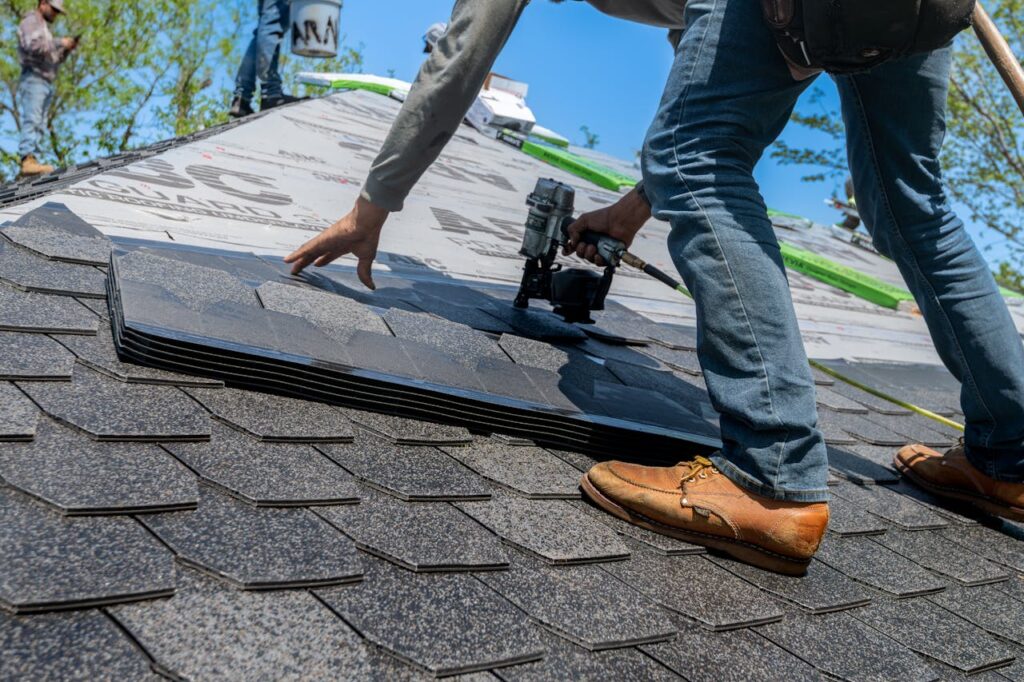
When Every Minute Counts in an Emergency Roof Repair
When water is coming through the ceiling, you do not care about long-term plans. You care about stopping damage and keeping people safe. The hard part is that the most dangerous roof events often happen when you cannot safely get on the roof at all, like at night, during lightning, with high winds, or when water is already ponding on a flat roof.
In those moments, guessing can cost you. A clear process helps you protect people, limit damage, and avoid risky moves that make things worse. In this guide from our team at Pro Roofing & Solar, we share a simple, step-by-step way to make good decisions from the ground, choose safe temporary fixes, know when to treat it as a true emergency, and talk clearly with tenants or operations teams. Kansas City properties see hard spring storms, hail, and heavy rain, so May is a smart time to review how you will handle the next one before it hits.
Rapid Safety First Before Any Roof Decisions
Before thinking about the roof, you need to decide what is safe inside the building. Life safety always comes first, even before stopping a leak. No roof problem is worth someone getting hurt.
Here is a quick safety hierarchy we recommend:
- No one on the roof at night, in lightning, in high winds, or when the structure looks damaged
- Keep people out of rooms with bulging or sagging ceilings
- Treat water near outlets, lights, or panels as an electrical risk
- When in doubt, wait for professionals
At ground level, do a fast walk-through and check:
- Are there active drips or running water from the ceiling or walls?
- Is the ceiling sagging, cracked, or stained in a new way?
- Is any water close to breakers, electrical panels, servers, or machinery?
- Are floors slick or tripping hazards forming?
Only when ceilings look sound and the floor is safe should anyone move under the leak to set up buckets, plastic, or tarps. If you see bowing drywall, large cracks, or hear popping sounds, keep people out of that area and close the door.
It also helps to be clear on roles:
- Homeowners decide if family members can enter a room and who calls a roofer or emergency services
- Property managers decide when to close shared areas and how to notify tenants
- Facility teams in commercial buildings decide when to shut down equipment and isolate power in affected zones
One person should be in charge of the final go or no-go call and of calling professional help so decisions are not delayed by confusion.
Remote Triage When You Cannot See the Roof
When you cannot step outside and look at the roof, your goal is simple: gather enough structured information from inside to guide smart next steps. Think of it as a remote triage.
A basic remote inspection can include:
- Guided photos and short videos of leaks, stains, and ceilings
- A quick sketch or floor plan marking where water is appearing
- Notes on which way the wind and rain are coming from
- A timeline of what you saw first and how fast it changed
Ask anyone on site to stand back and slowly pan the room so you can see ceiling, walls, and floor in one shot. Close-ups of the ceiling texture, light fixtures, and any cracks are also helpful. If you have a moisture meter or a small laser thermometer, gentle checks on walls and ceilings can show how widespread the moisture might be without opening anything up.
As local roofers, we often match these interior clues with common Kansas City roof types like asphalt shingles, metal, TPO, or other flat systems. A leak near an exterior wall under strong wind-driven rain might point to flashing or edge metal, while water in the middle of a flat roof area may suggest drainage or membrane issues.
Watch for red flags that suggest bigger structural or envelope problems:
- Rapidly spreading ceiling cracks or new sagging
- Multiple leaks in a line along one wall or corridor
- Loud impact sounds from trees or debris hitting the building
- Strong moldy or electrical burning smells
- Sudden hot or cold spots in a room that were not there before
Any of these signs should push you toward faster escalation and keeping people out of that space until a pro can inspect it.
Choosing Safe Temporary Fixes From the Inside
The goal of any temporary fix in an emergency roof repair is to slow or stop water inside without creating new hazards or giving anyone the idea that the problem is solved for good. Everything you do now is only buying time until the roof can be inspected safely.
Interior containment can include:
- Buckets or tubs directly under drips
- Plastic sheeting or painter’s plastic taped or clipped to guide water into containers
- Simple water channels made with plastic leading flow toward floor drains
- Moving or covering furniture, inventory, files, and electronics
Keep electrical gear top of mind. Protect panels, control cabinets, computers, and AV gear with plastic covers placed so that water runs away from outlets and cords. If water is already around these items, do not step in it. Wait for an electrician or emergency responder.
What you want to avoid is DIYer heroics. Climbing onto a wet, dark, or wind-blown roof with a ladder is one of the most dangerous choices in a storm. Makeshift tarps, loose boards, or sandbags can slide, blow away, or trap water in the wrong spot. It is far safer to stay inside, contain water, and wait for conditions to calm down.
Once it is safe, professional roofing teams can:
- Install emergency tarps anchored correctly
- Use shrink-wrap systems on damaged areas
- Seal obvious penetrations around vents or pipes
- Coordinate with restoration crews for drying and dehumidification
Those steps work best when the interior has been contained as much as possible, so both teams can move quickly once they arrive.
Escalation Thresholds: When to Call It a Roofing Emergency
Not every drip is a disaster, but some small leaks turn serious very fast. It helps to think in three levels.
Minor incident:
- One small drip or light stain in a single room
- No electrical, data, or high-value items nearby
- Ceiling looks solid and not sagging
Serious event:
- Multiple rooms with active leaks
- Visible ceiling or wall damage
- Water tracking near equipment, inventory, or shared areas
Full emergency:
- Any sign of structural movement or collapse risk
- Widespread water intrusion affecting business or daily living
- Large tree or debris impact on the building
You should call a 24/7 emergency roof repair team when:
- A leak is near electrical panels, data centers, or life safety systems
- High-value assets or mission-critical operations are at risk
- You can see missing shingles, obvious roof holes, or impact damage once it is light
- Heavy rain is ongoing and water is still actively entering inside
You may also need to involve others:
- Fire department or utilities if electrical hazards are suspected
- Building engineers if you see structural concerns
- Insurance carriers when damage covers a large area or affects operations
In the Kansas City area, spring hail, tornado threats, and hard rain can move in fast. Later in the year, sudden microbursts can drop a lot of water in a short time. When storms like these are in the forecast, it is wise to treat new leaks more seriously and move quicker on mitigation.
Communication Templates and Building a Storm-Ready Plan
Clear, calm communication keeps people safe and lowers stress. It also creates a record that can help with insurance and any questions later.
A strong emergency message usually includes:
- What is happening now and where
- What you know and what is still unknown
- Simple safety steps for the person reading
- What temporary fixes are in place or planned
- When they can expect the next update
Here is a simple text or email template for residential tenants:
“Hi everyone, we are aware of a roof leak affecting [area or floor]. If you see water in your unit, please move belongings away from the leak and place a bucket or trash can under any active drips if it is safe to do so. Do not touch any water near outlets or light fixtures. A roofing contractor is scheduled to arrive as soon as the weather allows safe roof access. We will send another update by [time]. Thank you for your patience.”
For internal operations in a commercial setting:
“There is an active roof leak affecting [building/zone]. Effective immediately, please avoid this area and shut down non-critical equipment in or near the affected space. Facilities are setting up temporary containment for water and protecting electrical and data equipment. A roofing contractor is on the way for emergency assessment once conditions are safe. Updates will be shared by [time], or sooner if conditions change.”
Good documentation habits include:
- Saving time-stamped photos and videos of leaks and damage
- Keeping copies of all messages sent and received
- Recording names and contact details for all contractors and responders
- Writing a short summary after the event for future planning
From there, you can turn your notes into a simple, written storm response plan. List emergency contacts like your roofing contractor, electrician, and restoration partner. Keep an interior leak-response kit with buckets, plastic, tape, and flashlights in a known spot. Decide who sends messages, who checks the building, and who talks with outside vendors. A proactive roof and exterior inspection during calmer weather can help find weak points in roofing, gutters, siding, windows, and other exterior areas before the next big Kansas City storm hits.
A local, full-service exterior contractor like Pro Roofing & Solar can help you review your current roofs and exterior systems, plan for emergencies, and look at durable, energy-efficient upgrades that stand up better to strong weather. With a clear plan and the right partners, you can make smart decisions under pressure, protect your property, and keep the people in it safer when the next storm arrives.
Get Started With Your Project Today
If a storm or sudden leak has compromised your roof, we are ready to respond quickly and protect your property from further damage. Our emergency roof repair services are designed to stabilize your roof, assess the damage, and provide reliable solutions that last. At Pro Roofing & Solar, we work efficiently so you can get back to business with confidence. Reach out today through our contact us page to schedule immediate help.