
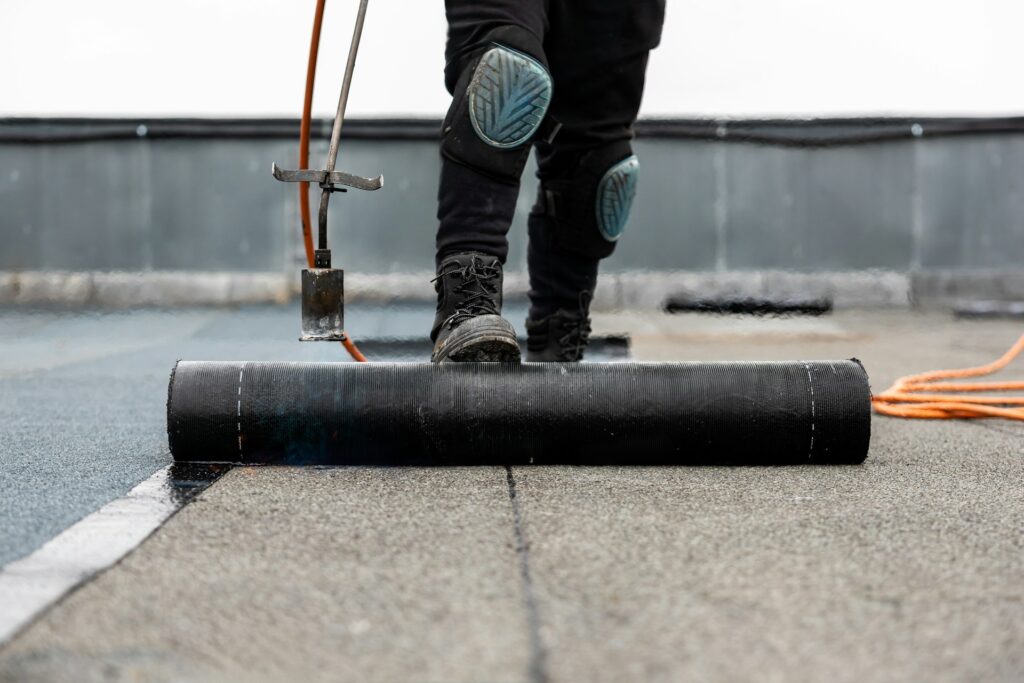
Why EPDM Roofing Matters for Midwest Manufacturers
EPDM roofing is a single-ply rubber membrane that is commonly used on low-slope and flat industrial roofs. It is known for being flexible, long-lasting, and relatively simple to repair. For many manufacturing facilities, EPDM has become a go-to option because it can cover large roof areas with fewer seams than older systems.
In the Kansas City area and across the Midwest, roofs take a beating. We see big temperature swings, freeze-thaw cycles, hail, strong UV exposure, and heavy spring and summer storms. For plant managers and facility teams, the big question is not just “Does EPDM work?” but “Is EPDM the right long-term solution for our specific building and operations?”
This comes down to how EPDM handles local weather, how it affects your maintenance plan and energy use, and how it fits with long-term plans like solar or equipment upgrades. When you understand those factors, you can make a smarter decision for your manufacturing roof.
How EPDM Roofing Performs in Midwest Weather Extremes
Midwest weather is tough, and low-slope roofs feel it first. EPDM is known for staying flexible in both hot and cold conditions, which helps it handle these swings.
Here’s how EPDM responds to common regional conditions:
- Hot summers: EPDM remains flexible in high heat, which helps reduce surface cracking.
- Cold winters: The membrane can move with the building and handle freeze-thaw cycles without becoming brittle.
- Temperature swings: Daily expansion and contraction are part of normal performance when the system is installed correctly.
Heavy rain and strong wind events are another concern for manufacturing roofs. With a proper design and drainage, EPDM can handle:
- Short-term ponding in low areas, as long as the structure is designed for the load
- Strong winds when paired with the right attachment method and edge details
- Sudden downpours common in late spring and early summer
Hail, UV, and ozone exposure are also important. EPDM is generally resistant to UV and ozone, which helps it last over time. Hail performance depends on:
- Membrane thickness (thicker sheets usually provide better resistance)
- Quality of installation and substrate support
- Condition of the roof over its life
EPDM is not puncture-proof, so sharp hail or debris can still cause damage. Regular inspections after big storms help find and repair punctures before they grow into leaks that affect production.
Cost, Lifespan, and Maintenance Considerations
When facility teams compare EPDM to other commercial roofing options like TPO, PVC, or modified bitumen, they often look beyond just the installation cost. The total cost of ownership includes lifespan, repair needs, and how often work crews need access to the roof.
EPDM is generally known for:
- Competitive upfront cost compared to many commercial systems
- A long service life when installed properly and kept in good condition
- Repair methods that can be less disruptive than some multi-layer systems
Lifespan expectations can vary based on the thickness of the membrane, how it was installed, and how well it has been cared for. Many EPDM systems come with warranties that reflect these factors. In the Midwest, good installation and steady maintenance are key to reaching the higher end of that life range.
A practical maintenance plan usually includes:
- Scheduled inspections, often in spring and fall
- Seam and flashing checks, especially around penetrations and equipment
- Cleaning of drains and gutters to avoid standing water
- Extra inspections after major hail or wind events
For manufacturing facilities, a proactive plan helps catch small issues before they interfere with operations or damage equipment inside the building.
Energy Performance and Solar Readiness on EPDM Roofs
Traditional black EPDM absorbs heat, which can raise roof surface temperatures during summer. That can increase HVAC loads for some buildings, though in colder months the extra warmth can sometimes help slightly. For many plants, the net effect comes down to how the building is used and how well it is insulated.
To improve energy performance on an EPDM roof, we often look at:
- Adding or upgrading insulation beneath the membrane
- Considering white or reflective surface options or coatings where appropriate
- Integrating roof work with other energy upgrades inside the facility
Solar is another big consideration for manufacturing owners planning ahead. EPDM can be a strong platform for solar arrays when the system is designed as a whole. Key points include:
- Structural load capacity of the deck and framing
- Attachment methods that protect the membrane and keep the warranty valid
- Layout planning to work around rooftop equipment, vents, and walkways
When roofing and solar planning are coordinated, it helps avoid conflicts, like penetrations in the wrong locations or shading from new rooftop units that were not considered during the solar layout.
Installation Quality, Safety, and Downtime Impacts
How an EPDM system is installed has a big effect on its performance. The three main approaches are:
- Fully adhered: The membrane is glued to the insulation or deck, which can give strong wind resistance and a clean look.
- Mechanically attached: Fasteners and plates hold the membrane in place, often leading to a faster installation on some buildings.
- Ballasted: The membrane is held down with stone or pavers, typically used on structures built to carry that extra weight.
Each method affects wind performance, schedule, and how the roof behaves over time. The right choice depends on the building structure, local code requirements, and project goals.
Working above an active manufacturing floor adds another layer of planning. Safety, access, and timing matter. A solid roofing plan will address:
- Staging materials and equipment without blocking key routes
- Coordinating roof work around production schedules and shift changes
- Protecting sensitive equipment from dust, debris, and vibration
An experienced commercial roofer understands how to work around vents, stacks, process lines, and rooftop units while still following manufacturer specifications and local codes. This helps limit unplanned downtime and reduces surprises for plant management.
When EPDM Roofing Is the Right Fit for Your Facility
EPDM is often a strong choice for:
- Large, low-slope manufacturing roofs that need broad, continuous coverage
- Facilities that want a long-term system with clear maintenance routines
- Buildings where future solar, HVAC, or process changes are expected
In some cases, alternatives may be better, such as when reflectivity is the top priority, when chemicals in exhaust may affect the membrane, or when specific code or insurance requirements favor another material.
A simple decision checklist for facility managers might include:
- Roof slope and drainage conditions
- Existing insulation levels and energy goals
- Age and condition of the current system
- History of hail, wind, and storm exposure at the site
- Plans for solar, HVAC upgrades, or added rooftop equipment
By walking through these points with a professional team that understands both roofing and solar for Midwest industrial buildings, you can decide whether EPDM roofing aligns with your long-term plans and budget for your Kansas City area or regional manufacturing facility.
Get Started With Your Project Today
If your commercial building needs a durable, low-maintenance solution, our EPDM roofing services are designed to protect your investment for the long term. At Pro Roofing & Solar, we start with a careful inspection and honest recommendations so you know exactly what to expect. Tell us about your project and we will provide a clear, straightforward plan and estimate. Have questions or ready to schedule an appointment? Just contact us and our team will respond quickly.