Roofers

roof repair

Storm Damage Roof Repair Missteps That Delay Insurance Payouts

Avoid Costly Delays After Spring Storms Storm damage roof repair is stressful enough without insurance delays added on top. When hail and high winds roll through the Kansas City area and the broader Midwest, roof damage claims tend to pile up fast. What many property owners do not realize is that small missteps in the first few days can turn a simple claim into months of back-and-forth. Those early choices affect how clearly your damage lines up with a specific storm, how the adjuster views your roof, and even whether your policy will cover everything that was hit. Knowing what not to do is just as important as knowing what to do. At Pro Roofing & Solar, we work with Kansas City weather all the time, from sudden hail bursts to strong wind events that come through with little warning. We see the same avoidable mistakes repeat each storm season. Here are key missteps that delay insurance payouts, and smarter ways to handle storm damage roof repair from the start. Waiting Too Long to Document Storm Damage After a big storm, it is easy to think, “We will deal with this later.” But insurance companies usually expect fast reporting and clear proof. When weeks pass before anyone documents roof damage, it becomes harder to connect that damage to a certain storm. Quick proof matters because it: Many people delay because: Waiting for a leak is a big problem. By the time water stains show up on ceilings or walls, the roof has often been leaking for a while. That can lead to more interior damage, mold concerns, and tougher conversations with your insurer about what was storm-related and what developed later. A better move is to gather simple documentation as soon as it is safe. That might include photos of shingles on the ground, dented vents, or loose flashing. Then, bring in a local roofing professional for a storm inspection. A fast, professional look helps preserve evidence, supports your claim, and gives you a clearer picture of what really happened on the roof. Relying Only on the Adjuster’s Quick Look Insurance adjusters have an important job, but they are not the ones installing roofs every day. Their first visit is often brief, sometimes limited to a quick walk or even just a ground-level check. Subtle signs like small hail bruises, lifted shingles that only show from certain angles, or bent flashing can be missed. If you rely only on that first look, you can end up with: A detailed inspection report from a roofing contractor can make a big difference. That report usually includes: In Kansas City and throughout the Midwest, storms are common, so experienced roofing and exterior teams are used to working with adjusters. They can meet on-site, point out less obvious damage, and help request a re-inspection if needed. That way, the scope of work better matches what your property actually needs, not just what was visible in a quick walkthrough. Making Temporary Fixes That Hide Real Damage Right after a storm, most people just want to stop water from getting in. That is understandable, but certain DIY fixes can cause problems for your claim. Things like heavy blobs of caulk over broken shingles, sheets of mismatched roofing nailed on top, or fresh paint over water stains all change how the damage looks. Insurers expect you to prevent further damage. Reasonable emergency steps might include: But “repairing” the roof before the damage is properly documented can: Professional emergency services from a roofing contractor strike a better balance. They can stabilize your home or building, keep water out as much as possible, and still preserve clear evidence for the insurance file. That keeps you protected while your claim moves forward. Choosing the Wrong Contractor After a Storm After a serious hail- or wind event, out-of-town crews often flood the area. They may offer fast work, aggressive promises, or prices that sound too good to be true. The problem is that they may not be around if issues show up later or if your insurer has questions. Working with the wrong contractor can cause: A reliable roofing and exterior specialist in the Kansas City area will usually have: A qualified contractor can also align their estimate with common insurance guidelines and help point out items that might have been overlooked, such as vents, attic fans, or certain trim details. That leads to a smoother process from approval to final repair. Overlooking Gutters, Siding, and Solar Components Storms rarely hit only the roof. Hail and strong winds can affect many parts of your exterior at the same time. When only the roof is inspected at first, you may find yourself filing extra claims later for missed damage. Common areas that also take a beating include: Filing multiple follow-up claims can stretch out the timeline and increase confusion. It may also weaken your position if the insurer starts to question why these items were not mentioned in the beginning. A full-service exterior provider can look at your whole property in one visit. Roof, solar, gutters, siding, windows, and decks are all checked together, then documented as one organized claim. That whole-property view helps support a more complete payout and gives you a path to restore the entire exterior to its pre-storm condition, not just the most obvious roof surfaces. Move From Storm Stress to a Confident Repair Plan Storms in the Kansas City and Midwest region are a fact of life, but long, drawn-out insurance battles do not have to be. The biggest missteps that slow payouts are usually preventable: waiting too long to document damage, relying only on the adjuster’s first look, covering up problems with DIY patching, picking the wrong contractor, and ignoring gutters, siding, and other exterior components. By acting quickly, getting a professional inspection, and treating your property as a full system rather than just a roof, you protect both your home or building and your claim. Pro Roofing & Solar helps property owners move from

Storm Damage Roof Repair Missteps That Delay Insurance Payouts Read More »

Roof Repair

Hailstorm Roof Repair: When to Tarp vs. Patch vs. Close Areas (Checklist)

Protecting Your Roof in the First 24 Hours After Hail After a hailstorm, your roof can go from healthy to vulnerable in a few minutes. In our Kansas City area, early spring storms bring hail, strong winds, and quick temperature swings that can turn a minor hit into a bigger problem. Even if the roof still looks “okay” from the street, hidden impact damage can let water find its way inside. The goal in the first 24 to 72 hours is simple: stay safe, keep as much water out as you can, and stabilize the home or building until permanent repairs are made. You are not trying to rebuild the roof overnight. You are making smart emergency roof repair decisions that buy you time and protect people and property. After a hailstorm, we use a basic decision framework to guide the first moves. It helps you decide whether a tarp is the right call, whether a small patch is enough, or whether you should avoid the roof entirely and shut down areas inside until a professional can inspect. Let us walk through how to sort that out step by step. Safety First Before Any Roof or Ladder The first rule after any hailstorm is simple: if it is not safe, stay off the roof. There are some clear red flags that mean only trained roofing professionals with safety gear should be up there. If you see or suspect any of the following, do not climb up. Before you even think about a ladder, do an interior safety check. Walk the property slowly and look and listen for warning signs that suggest active water intrusion, electrical risk, or structural stress. If you see signs like these, you may need to shut down power to part of the structure or keep people away from certain rooms. Do not flip light switches or reset breakers in spaces where water is present. Even if you never leave the ground, you can still take practical steps that reduce damage and improve your documentation for the next phase. Then, call your insurer and an emergency roof repair specialist. In many cases, leaving roof access to a trained crew is the safest choice. When to Tarp the Roof for Short-Term Protection A roof tarp is a temporary shield, not a fix. It is the right move when there is open exposure and water is getting in or likely to get in soon. In other words, tarping is generally about preventing immediate water intrusion when the roofing system has been opened up by hail and wind. Tarping is usually appropriate when: A well-installed tarp does not just cover the bare spot like a bandage. It overlaps healthy roofing above the damage, is anchored correctly, and is laid so water flows over it and off the roof. That kind of setup can buy 24 to 72 hours of protection and often prevents the most common interior and structural moisture problems. We strongly recommend that tarps be installed by professionals. A DIY tarp that is too small, not tight enough, or nailed in the wrong places can create new problems instead of solving the original one. For hailstorms in the Kansas City region, local roofing crews understand how our winds and quick temperature changes affect tarps and materials. That local experience helps keep your emergency protection in place until a long-term repair is ready. When a Quick Patch Is Better Than a Full Tarp Not every hail-hit roof needs to be wrapped in a giant blue tarp. Sometimes, a focused patch is safer, faster, and just as protective in the short term, especially when the damage is limited and the roof is otherwise stable. A quick patch can be the best move when: In those cases, a professional emergency patch may include one or more targeted fixes designed to close gaps and reduce water entry without covering large roof sections. These targeted repairs can deliver meaningful protection in the first 24 to 72 hours. They tend to be quicker than full tarping, reduce wind-related complications, and keep the focus on the exact areas where water is most likely to enter. A good roofing team will choose between patching and tarping after a close look at your specific hail damage, roof type, and weather forecast. When to Shut Down Areas and Call in a Pro Sometimes the safest emergency roof repair decision is not about tarping or patching at all. It is about keeping people away from areas that could fail. If the building shows signs of ongoing water flow, fast-spreading stains, or possible structural movement, the priority shifts to limiting risk to occupants. You should close off certain rooms or zones if you notice: When you shut down an area, do it carefully and methodically. The goal is to keep people safe while reducing the chance of additional loss to valuables and finishes. After that, focus on documentation and coordination. Take photos of the damage as it changes, then work with your insurer and a licensed roofing company to plan temporary stabilization and moisture control, along with a clear path to permanent repair. Your 24- to 72-Hour Post-Hailstorm Action Checklist When hail hits, it is easy to feel overwhelmed. A simple checklist can keep you focused on the right steps at the right time. First 0 to 12 hours: 12 to 24 hours: 24 to 72 hours: Working with a local Kansas City expert like Pro Roofing & Solar means your team understands regional hail patterns and how roof damage can affect your whole exterior system. That knowledge helps you make better decisions in the first 72 hours, so your property is safer, drier, and ready for long-term repairs when the weather calms down. Get Started With Your Project Today If your roof has been damaged by wind, hail, or sudden leaks, we are ready to help restore your home’s protection quickly and safely. Our team specializes in fast, reliable emergency roof repair so you can prevent further damage

Hailstorm Roof Repair: When to Tarp vs. Patch vs. Close Areas (Checklist) Read More »

Emergency Roof Repair

Emergency Roof Repair in Kansas City: What to Do Before the Roofer Arrives

Protect Your Home Quickly When Storms Damage Your Roof When a Kansas City storm hits your roof with wind, rain, or hail, conditions can change from calm to urgent very quickly. You may suddenly hear dripping, see water spots, or notice shingles in the yard. In the first hours after damage, the steps you take can affect safety, the extent of interior damage, and the outcome of any insurance claim. This guide outlines clear do’s and don’ts for emergency roof situations before a roofing professional arrives. It focuses on staying safe, limiting interior water damage, choosing a qualified contractor, and documenting conditions so your insurance claim has the best chance of being approved. Prioritize Safety After Roof Damage Safety must come before property or belongings. Roofs after a storm can be slippery, weakened, and unpredictable, and one misstep can lead to serious injury. Key safety “don’ts” after storm damage include: Many injuries occur during quick roof checks or tarp placements. Shingles can be loose, decking can be soft, and moisture or hail can make all surfaces slick. Sudden gusts of Kansas City wind can easily cause a loss of balance. Avoid anything that could be energized: Inside the home, watch for structural concerns. If a ceiling is heavily sagging, floors feel soft, or framing appears warped, do not walk under or through that area. Close the door, keep family members and pets out, and wait for a professional inspection. Be cautious with individuals who appear at your door immediately after a storm. High-pressure sales tactics, requests for large cash deposits, or refusal to provide written information are all warning signs. Take time to thoroughly vet any contractor before signing documents or authorizing work. Interior Mitigation to Limit Water Damage Once everyone is safe, the next priority is protecting the interior of the home as effectively as possible. Small, careful actions can slow damage until a roofing contractor arrives. Start by managing active leaks: If you see a ceiling area that is bulging but still relatively firm and not severely sagging, you may be able to relieve water pressure. Place a bucket directly under the bulge, then gently create a small hole in the center so the water drains into the bucket. If the ceiling appears close to collapse or feels very soft, avoid the room and wait for a professional. Because water and electricity are hazardous together, if leaks are close to light fixtures, ceiling fans, or outlets, it is prudent to: To help reduce the risk of mold and odors, begin drying what you safely can: Avoid these common mistakes: Those materials may need to be removed later, but in the immediate aftermath, the priorities are safety, documentation, and slowing the spread of moisture. Emergency Roof Actions Before Professional Help Arrives Emergency roof measures in the first hours after a storm should focus on stabilization, not permanent repair. The goal is to prevent conditions from worsening until a Kansas City roofing professional can conduct a safe inspection and complete repairs. From the ground or another safe vantage point, take clear photos and short videos of: Capture wide shots of overall damage and close-ups of specific problem areas. This documentation can be valuable when filing an insurance claim. Use caution with tarps. On steep, wet, or icy roofs, attempting to install a tarp can be more dangerous than the leak itself. If a tarp absolutely must be installed before a roofer arrives: Avoid makeshift roof repairs such as trash bags, duct tape, or placing bricks or other heavy objects on the roof. These can create additional leaks, cause more shingle damage, or raise questions about tampering during insurance evaluations. Inside the home, temporary measures are generally acceptable if they do not introduce new risks: Retain receipts for any temporary supplies purchased. Many insurance policies recognize reasonable mitigation efforts if they are clearly documented and carried out safely. Selecting a Qualified Kansas City Roofer Under Time Pressure After a storm, it can be tempting to hire the first roofer who is available. However, choosing a qualified contractor is important for both the quality of the repairs and a smoother claim process. Effective ways to evaluate a contractor include: Consider asking clear, practical questions, such as: Be cautious with paperwork when you are under stress: Some contractors provide comprehensive exterior services, including roofing, solar, gutters, siding, windows, and decks. Working with a single qualified team to coordinate exterior repairs can help streamline the recovery process and may be an opportunity to consider more energy-efficient, durable options for the property. Document Everything to Support Your Insurance Claim Thorough documentation can influence whether a claim is approved or denied. Insurers rely heavily on what can be verified through records, images, and professional reports. Set up a simple documentation system as soon as possible: Retain every receipt related to the damage and mitigation, including: When contacting your insurance company, provide the basic facts and available documentation, but avoid speculating about the precise causes or full extent of the damage. A roofing professional can later supply detailed inspection reports, photographs, and repair estimates that align with the terminology used by adjusters. Avoid discarding damaged shingles, metal pieces, or interior materials until a roofer or adjuster has inspected them. If you must remove items for safety or health reasons, take clear photographs from several angles first. This preserves evidence of damage even after cleanup. By prioritizing safety, acting methodically, and following these steps, you can help protect your home, support your insurance claim, and position your roof and exterior for an efficient recovery after a Kansas City storm. Get Started With Your Project Today If you are seeing leaks, missing shingles, or storm damage, our team at Pro Roofing & Solar is ready to help with fast, reliable emergency roof repair. We respond quickly, assess the damage, and give you clear options so you can protect your home without delay. Reach out today and let us restore your roof’s safety and performance before the problem gets

Emergency Roof Repair in Kansas City: What to Do Before the Roofer Arrives Read More »

Roof Damage

Spring Storm Roof Damage Myths Kansas City Owners Still Believe

Stop Spring Storm Roof Damage Myths Before They Cost You Spring storms in the Kansas City area can roll in fast, drop hail, drive heavy rain sideways, and move on just as quickly. The sky looks clear again, so it is easy to assume your roof came through fine. Months later, you notice a brown spot on the ceiling or a musty smell in a spare room, and that “quick storm” has turned into a big headache. These problems often start small and stay hidden. That is why common myths about storm damage roof repair can be so costly. Our weather brings strong wind, hail, and heavy rain from roughly March through June, and those conditions are tough on both homes and commercial buildings. When owners trust myths instead of facts, they miss early warning signs and lose time that could have protected their property. In this article, we clear up some of the biggest spring storm roof myths we hear from Kansas City owners. When you know what is true and what is not, you can act sooner, avoid bigger repairs, and keep your roof, siding, gutters, and windows working together to protect your building. Myth: “If I Can’t See Damage, My Roof Is Fine” One of the biggest mistakes is judging your roof from the driveway or parking lot. From the ground, shingles may look flat and even, but hail and wind can still cause real harm. Here is what often happens during a storm that you cannot see from below: At first, the roof might not leak at all. Water can work slowly into the decking, insulation, and framing. Weeks or months later, you may see: By the time these signs show up indoors, the damage behind the scenes is often much larger. A professional storm damage roof repair inspection after major hail or wind gives you a close look at the whole system: shingles, flashing, vents, and more. It also helps you document what happened, which can be important if you need to file an insurance claim. Myth: “My New Roof Can Handle Any Spring Storm” A newer roof is definitely better than an old, worn-out one, but it is not a shield against every storm. Kansas City spring weather brings strong gusts and hail that can push even younger roofs past their limits. Even with newer materials, a heavy storm can cause: Many owners also assume a manufacturer warranty means they never have to worry after a storm. In reality, most warranties expect you to care for the roof. That can include: If small storm damage is ignored, it can shorten the life of a newer roof. Checking your roof after big spring systems move through helps keep it performing as it should and supports any warranty you may have. Myth: “I’ll Wait Until It Leaks to Call a Roofer” Waiting for a drip inside is one of the costliest myths of all. A roof is designed to shed water across many layers, so by the time water shows up in a room, it has already traveled through quite a bit of your structure. When you wait for a leak, water has more time to reach: In spring, there are plenty of early warning signs that many Kansas City owners ignore because they seem minor: Catching issues at this stage is far better than waiting for a steady drip in your living room or office. Proactive storm damage roof repair and regular maintenance help your roof last longer and also protect connected systems like siding, gutters, and windows from water that runs where it should not. Myth: “Insurance Will Automatically Cover Everything” Many owners assume that if a storm hits, insurance will simply take care of whatever is needed. The reality is more complicated. Insurance companies usually have rules about when and how damage must be reported. Common reasons storm claims get reduced or denied include: Insurers often want to see that you took the storm seriously and acted quickly. That is where a detailed inspection from a qualified roofing contractor becomes important. A thorough review with photos, notes, and a clear repair plan makes it easier to show what the storm did and what it will take to fix it. A good roofing partner can: This kind of support helps keep your claim focused on the real damage instead of guesswork. Myth: “Any Roofer Can Handle Storm Damage” After a strong spring storm in the Kansas City area, many owners notice a flood of door knockers and flyers from out-of-town crews. These “storm chasers” appear quickly and leave just as fast. Choosing the wrong contractor can lead to rushed work and no one to call if problems show up later. Storm damage repair is different from a simple shingle swap. A proper storm-focused inspection looks at: It also helps to have a team that understands the whole exterior. Roof problems can affect: Working with a local, established contractor means you are dealing with people who know the weather patterns, typical storm paths, and local rules. It also means there is support down the road if you ever have questions about the work. Protect Your Roof Before the Next Spring Storm Hits Spring storms will always be part of life in and around Kansas City. What you can control is how prepared your roof and exterior are before the next system arrives. Instead of relying on a quick glance from the driveway, a professional post-storm inspection gives you real answers about the condition of your roof. A simple spring routine can make a big difference: At Pro Roofing & Solar, we help residential and commercial owners in the Kansas City area understand what their roofs are facing each spring. When myths are replaced with clear facts, it becomes much easier to protect your building, plan smart repairs, and keep your roof ready for whatever the next storm brings. Get Started With Your Project Today If a recent storm has left your roof compromised, we

Spring Storm Roof Damage Myths Kansas City Owners Still Believe Read More »

Storm-Damaged Roof

Kansas City Storm-Damaged Roof Repair: Vet Contractors, Compare Bids

Make Smart Decisions After a Kansas City Storm Storms in Kansas City hit fast and hard. Hail, straight-line winds, and even the tail of a tornado can beat up a roof in a single afternoon. Some damage is easy to see, like missing shingles in the yard. Other problems stay hidden for months, slowly shortening the life of your roof and putting your warranty at risk. When that happens, you are suddenly dealing with insurance calls, flyers in your mailbox, and strangers knocking on your door. If you feel rushed or pressured, it is easy to overpay, get incomplete work, or end up with repairs that do not meet local codes. We want to give you a clear, calm way to handle storm damage roof repair. This framework will help you vet contractors, compare bids fairly, and control the work so it is done right the first time and so you are less likely to deal with repeat leaks later. Know What Storm Damage Really Looks Like After a storm, a roof can look fine from the ground and still be hurt. Common local storm impacts include: It is also important to remember that not every mark on a roof is storm damage. Normal aging, past poor installation, and old repairs can look similar, and that difference matters for both your claim and your decision-making. Insurance typically pays for fresh storm damage, not old wear; calling normal aging “storm damage” can lead to denied claims; and being honest about what is new vs old helps you avoid an unnecessary full replacement. Before you call your insurer or sign anything with a contractor, it helps to document what you see so you have a clear baseline. Some smart steps are: This gives you a factual baseline and makes it easier to talk clearly with both your adjuster and any roofer you speak with. Vetting Roofers After a Storm Rushes the Market Storms draw in contractors from all over. Some are fine, but many are temporary “storm chasers” who vanish once the rush is over. We suggest focusing on roofers with a real Kansas City presence, consistent crews, and a history of handling storm work in this climate. Start with a few basics that help confirm a contractor is truly established locally. Ask about: From there, confirm protections, paperwork, and training. A professional roofing company should be able to show: As you compare companies, watch for behavior that suggests you may not get a durable, code-compliant repair or that the contractor may be difficult to hold accountable later. Keep an eye out for red flags such as: If a contractor gets upset when you ask to see paperwork or to take a day to review, that is usually your sign to walk away. Comparing Bids and Controlling the Scope Once you have a few solid local contractors, you will likely end up with several bids. The goal is not just to pick the lowest price. You want to compare them line by line so you know what you are actually getting. A complete roofing bid should clearly list: When a bid comes in far below the others, it is often because important pieces are missing from the scope rather than because the contractor is simply more efficient. Watch for: Your insurance adjuster will write an estimate based on what they see, but that estimate does not always capture every condition on the roof. A good contractor should help compare that document to the actual roof conditions so the scope is accurate and you stay in control. Together, you can: The key is that you, not the contractor or the insurer, stay in charge of the final scope. Ensuring Code-Compliant Repairs and Weather-Smart Timing Local building codes and manufacturer rules are there to protect your home and your warranty. Around Kansas City, common code and best practices often include: Because code and best practices can be applied differently depending on roof design and existing conditions, you should ask for a detailed written scope that spells out the critical decisions before work begins. Ask for a scope that includes: This written scope is your roadmap. It helps keep the project from drifting and helps you avoid surprise shortcuts that could lead to future leaks. Preventing repeat leaks is often less about the shingles themselves and more about the “detail” areas where water concentrates and where many failures happen. Your roofer should plan for: Timing also matters. Spring is often a smart time for storm damage roof repair, before peak hail season and long scheduling delays. In some cases, temporary protection like tarping can buy time while you review bids and insurance paperwork. In other cases, if decking is exposed or water is actively entering the home, a faster replacement may be needed to protect the structure. If you are planning other exterior work, it often helps to line it up around the roof, because coordinated trades are less likely to damage a new roof later with last-minute penetrations or rework. Roofing pairs well with: When these trades are coordinated, each one can protect the new roof system instead of cutting into it later. Move Forward With Confidence on Your Storm-Damaged Roof Storm damage does not have to turn into a long, stressful roof saga. With a clear framework, you can slow things down just enough to make smart choices. Start with an accurate damage assessment, then carefully vet local contractors, compare bids line by line, and lock in a written scope that meets code and matches your insurance claim. At Pro Roofing & Solar, we work on roofs and exteriors across the Kansas City area, so we see the good and bad results of storm work every year. When storm damage roof repair is done thoughtfully, it protects your home, supports your property value, and can even open the door to better energy performance with improved materials or added solar. Get Started With Your Project Today If a recent storm has you worried

Kansas City Storm-Damaged Roof Repair: Vet Contractors, Compare Bids Read More »

Solar Roofing

Is Solar Roofing the Smart Upgrade for Kansas City Homes?

Lower Bills and Higher Comfort with Solar Roofing Solar roofing adds a new function to your roof. It still protects your home from rain, wind, and hail, but it also generates electricity for your household. In addition to providing protection, your roof can help reduce monthly utility costs and support a more comfortable indoor environment. For Kansas City homeowners, this is increasingly important. Utility rates continue to rise, summers are getting hotter, and storm season can be hard on aging roofs. Many owners are looking for upgrades that last longer, use energy more efficiently, and withstand Midwest weather. Solar roofing brings these benefits together in a single, coordinated system with a streamlined, modern appearance. Professional roofing and solar work should be coordinated so the systems support each other. When both are planned as one integrated system, you can achieve better protection, improved comfort, and stronger long-term value from your home. How Solar Roofing Works on Kansas City Homes Solar roofing means the solar power system is designed to function as part of the roof assembly, not simply attached on top. It can use solar shingles that resemble conventional roofing or low-profile solar panels that sit close to the roof surface. In either case, the finished installation typically has a more streamlined appearance than traditional rack-mounted panels. A typical solar roofing setup includes several key components: During daylight hours, the solar roofing system produces power whenever there is sufficient sunlight. Your home uses this power first. If the system generates more electricity than you need, the excess may be exported to the grid, depending on local utility policies. At night or on cloudy days, you continue to draw power from the grid, so your home operates as usual. Kansas City homes use a variety of roof types, including asphalt shingles, composite roofs, and low-slope sections on porches or additions. A professional design ensures the solar roofing accommodates the roof style, maintains proper ventilation, directs water correctly to gutters, and keeps all penetrations sealed and watertight. Real Savings and Incentives Kansas City Owners Can Expect Solar roofing can reduce costs in a straightforward way: it generates a portion of the electricity you would otherwise purchase from the utility. This can lower your monthly bill, especially during brighter months when days are longer and air-conditioning use is higher. Peak sunlight hours often overlap with the times your home uses the most power, such as hot afternoons when the air conditioner is running. There are often financial incentives that help make solar roofing more affordable. Homeowners should inquire about: The return on investment depends on factors such as roof size, energy usage, shading, and available incentives. Many homeowners look at solar roofing as a long-term upgrade, comparable to installing new windows or high-efficiency HVAC equipment. The payback can be especially attractive when a roof replacement is already needed, because two major projects are combined into one: In this way, a larger portion of the roofing budget goes toward long-term savings rather than only basic replacement. Solar Roofing Performance in Midwest Weather Kansas City weather can be demanding on any roof. Hail, high winds, heavy rain, snow, and significant temperature swings all stress roofing materials. Quality solar roofing equipment is designed and tested to withstand impacts, wind uplift, and repeated freeze-thaw cycles. A well-designed solar roofing system can also support indoor comfort. By shading portions of the roof surface, solar materials can reduce heat gain into the attic. This can ease the load on your HVAC system, particularly: Maintenance requirements are typically modest but should not be overlooked. Homeowners should plan for: Roofing materials and solar components generally have separate warranties. It is important to understand what each one covers, how long they last, and who is responsible for any service. Working with professionals who understand both roofing and solar can simplify warranty questions and help keep the system operating effectively. When Solar Roofing Is a Smart Upgrade Choice Solar roofing may not be the right solution for every property, but there are clear situations where it can be a strong option. Favorable conditions include: Some homeowners compare solar roofing with a traditional roof plus rack-mounted solar panels. Both approaches can be effective, but they differ in several ways: When deciding between options, it helps to review a basic checklist: Working through these questions with a qualified professional can help identify the most appropriate solution for your home. Next Steps to Plan a Solar Roofing Project with Confidence Planning ahead is important, especially if you want solar roofing in place before the hottest part of the year. System design, permitting, and utility approvals can take time, so it is wise to begin the process early. This allows for a clear, coordinated plan before any work starts on the roof. A typical process includes an on-site roof assessment, a review of energy usage and goals, and a custom solar roofing design tailored to the property. Homeowners should expect clear explanations of available options, transparent pricing, and guidance on applicable incentives. Understanding how the system is expected to perform under Kansas City conditions can help you make a well-informed upgrade decision. Get Started With Your Project Today If you are ready to upgrade your home with efficient, future-focused solar roofing, our team at Pro Roofing & Solar is here to guide you every step of the way. We will evaluate your roof, discuss your energy goals, and design a system tailored to your property and budget. Reach out today to schedule a consultation or ask questions about your options by using our contact us form.

Is Solar Roofing the Smart Upgrade for Kansas City Homes? Read More »

Roofing

Disaster-Proof Roof Planning for Midwest Distribution Centers

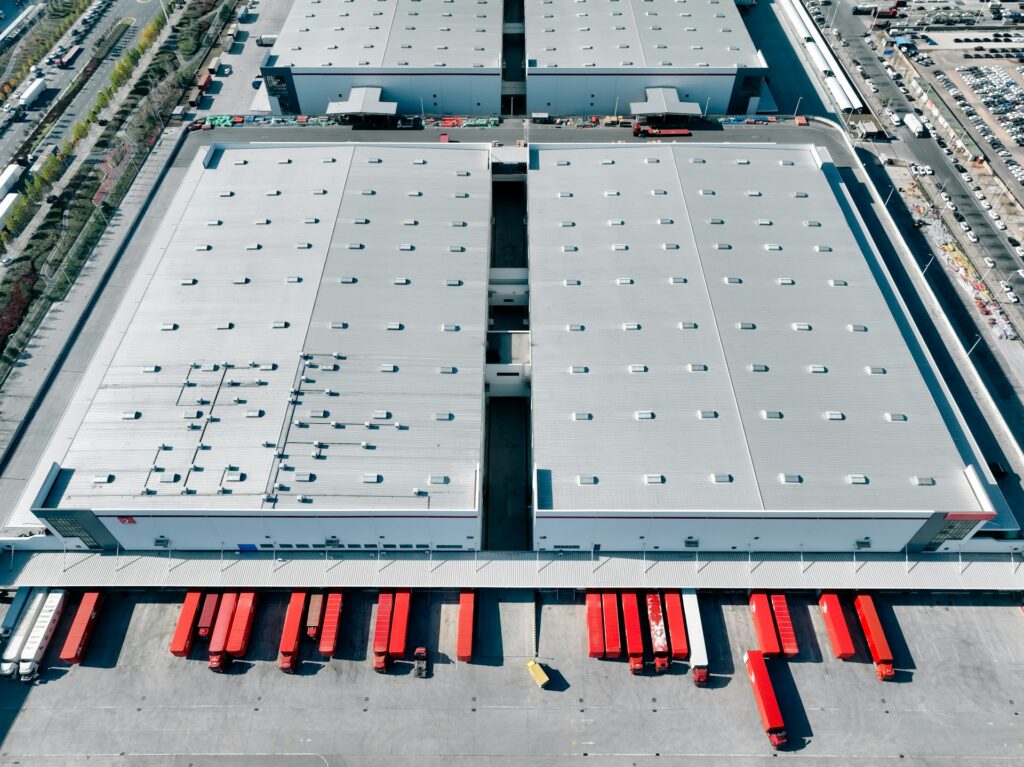
Shielding Your Distribution Center From Midwest Extremes A roof failure at a distribution center is more than a building issue. It is a direct hit to your operations, your people, and your customer promises. In the Midwest, where tornadoes, hail, heavy snow, and fast temperature swings are part of normal life, the roof over your inventory has to be planned with those extremes in mind. When a large facility roof fails, you are not just dealing with wet insulation. You can face damaged product, unsafe working areas, downtime in loading and picking, and missed delivery deadlines. For logistics and warehouse leaders, roof planning is risk management, not just a construction project. As a Kansas City-based exterior and energy contractor, we focus on helping distribution centers and large footprint facilities build roof systems that are stronger, smarter, and ready for Midwest weather. The goal is simple: keep your building dry, your teams safe, and your operations moving, even when the forecast looks rough. Identifying Weather and Operational Risks by Facility Midwest weather throws a little bit of everything at your roof. Around the Kansas City region and across the wider area, you can expect spring tornado season with high winds and flying debris, severe thunderstorms and large hail that can bruise or puncture membranes, hot sunny summers that stress seams and flashings, and winter storms that pile on snow and create ice at drains and edges. Distribution centers add their own set of weak spots. Many have very large flat or low-slope roofs, which act like a big sail in the wind and a big pan for water and snow. Common trouble areas include: On the operations side, a leak almost never shows up in a harmless corner. Water finds its way into areas that hurt the most, including material handling and conveyor lines, automation and control rooms, office and break areas, and high-value storage and temperature-controlled zones. Good planning starts with a clear risk map of your building. That means knowing where weather is likely to hit hard and where water intrusion would cause the most disruption. Designing a Roof System Built for Tornado Alley For distribution centers in tornado and hail country, roof design needs to go beyond the bare minimum of code. The structure below the membrane matters as much as the surface you see. Deck type, such as steel, concrete, or wood, works together with fastener patterns and attachment methods to create uplift resistance. Planning these details to align with local codes and FM Global style standards helps your roof stay put when winds ramp up. Membrane choice and insulation layout are another key piece. Common systems for large commercial roofs include: You are not just picking a membrane type. You are also choosing important assembly details, including how many insulation layers you want and in what staggered pattern, the R-value you need for energy performance, cover boards or impact-resistant layers to help absorb hail, and edge metal and flashing details that keep wind-driven rain out. To stand up to Midwest conditions, it often makes sense to include upgrades such as: A well-designed system pulls all these parts together so the roof works as one unit instead of a patchwork of pieces. Smart Roof Planning for Solar, EV, and Future Tech Many distribution centers are adding solar arrays and EV chargers to support energy goals and fleet changes. If the roof is not planned with this in mind, you can end up cutting into a fairly new system and risking leaks. Solar-ready design means thinking ahead about: EV chargers often need new electrical infrastructure that can affect the roof as well. Planning early lets you choose conduit paths, penetrations, and equipment locations that accomplish a few key goals: Future-proofing goes even wider than solar and EV. Over a 20- to 30-year roof life, you may add more HVAC units, new process equipment, or communications gear. Smart planning includes: This kind of thinking turns your roof from a static cover into a long-term platform for building upgrades. Maintenance, Inspections, and Storm Response Protocols Even the best designed roof needs steady attention. A proactive maintenance plan for a distribution center roof should include: Just as important is your storm response plan. After hail, high winds, or heavy snow, facility managers should have a clear checklist, such as: Data and documentation tie it all together. Roof asset reports, with photos and condition scores, help you plan capital budgets over several years, prioritize the worst sections first instead of guessing, and show insurers and corporate risk teams that you take building protection seriously. This record also creates a history that makes future repairs and upgrades faster and more accurate. Selecting the Right Partner for a Mission-Critical Roof A mission-critical roof calls for a contractor that understands both the building and the business that runs inside it. Helpful traits to look for include: Local knowledge is a real advantage for Midwest facilities. Contractors who work in this region every day understand how spring storms, hail, and winter conditions affect installation windows, local codes and inspection habits for industrial buildings, and which details tend to fail first in this climate. At Pro Roofing & Solar, we support distribution centers and multi-site portfolios across the Midwest with roofing and related exterior services. By keeping specifications consistent, coordinating roofing with solar and EV plans, and focusing on long-term performance, we help operations and facility leaders build roofs that stand up to disaster-level weather and daily wear alike. Put a Disaster-Ready Roof Plan in Motion Now The period leading into peak storm season is a smart time to step back and assess how ready your distribution center roof really is. That means more than a quick walk-around. A strong plan reviews current conditions, studies past repairs, checks warranties, and maps out a phased strategy for upgrades and maintenance. Working with experienced Midwest distribution center roofing experts, you can turn roof planning from a reactive emergency response into a clear, steady process. With the right design,

Disaster-Proof Roof Planning for Midwest Distribution Centers Read More »

Roof Repair

Spring Storm Damage Roof Repair Checklist for Kansas City Homes

Strong spring storms can be hard on Kansas City roofs. Heavy rain, hail, and wind often show up with little warning, and even a short storm can leave behind damage that grows worse with every passing week. If your roof is not ready, small problems can quickly turn into leaks, mold, or interior damage. This checklist will walk you through what to look for after a storm, what you can safely check from the ground, what hidden issues often get missed, and how to work with insurance. It will also share simple upgrade ideas to help your roof stand up better to the next round of storms. Protect Your Home Before Storm Season Peaks Kansas City weather in spring can change fast. One day is calm and sunny, the next brings strong thunder, hail, and high winds. Between March and June, roofs take a lot of hits from shifting temperatures, driving rain, and flying debris. A simple storm damage roof repair checklist helps you stay ahead of problems instead of being caught off guard. When you know what to watch for, you can spot early warning signs before they turn into things like: It also helps to have local support. Roofs in our area face the same mix of hail, wind, snow, and heat year after year. Local roofing and exterior experts understand how these patterns affect different roofing materials, what local building codes require, and how storm claims usually work in this region. Spotting Storm Damage From the Ground After a storm passes, safety comes first. Do not climb on the roof. Wet shingles, hidden soft spots, and loose debris can lead to falls. You can still do a useful first check from the ground and from inside the home. Walk slowly around your property and take your time. Helpful tools include binoculars and a camera or phone. From the ground or from upstairs windows: Document anything that looks off. Take clear photos from several angles and make short notes about where you saw each item and after which storm it appeared. This record can help: If you notice large branches on the roof, pulled-down gutters, or anything that looks dangerous, keep people and pets away from that area and wait for a professional to assess it. Hidden Roof Damage You Cannot Afford to Ignore Not all storm damage shows up as missing shingles. Some of the most serious problems are quiet and slow. They often start as tiny gaps around flashing, bruised shingles, or small punctures in the roof surface. Inside your home, watch for signs like: Hail can bruise shingles without knocking them off. The surface granules get crushed, the backing can crack, and the shingle loses some of its weather protection. High winds can break the seal between shingles or around flashings, such as: These issues often do not leak right away. Instead, rain slowly seeps under the roofing and into the structure. Over time, that can lead to mold growth, damaged decking, and insulation that no longer does its job. This kind of hidden storm damage is hard to spot from the ground. A trained roofing professional knows where to look, how different roofing materials should feel and respond, and when repair or replacement is the safer choice. Working With Insurance on Storm Damage Roof Repair If you suspect storm damage, it helps to act in a clear, step-by-step way. A simple process usually looks like this: Your insurance company will often send an adjuster to inspect the property. It can be helpful to have a licensed roofing contractor on-site during this visit. A roofing expert can: To avoid common problems: This helps you get repairs that last, instead of patch jobs that fail in the next round of wind and rain. Strengthening Your Roof for the Next Spring Storm Storm damage roof repair is only part of the story. Once damage is fixed, it is smart to think about how to make your roof tougher before the next spring storm. Upgrades that work well for many Kansas City homes include: Your roof works together with the rest of your exterior. Strong, well-designed gutters move water away from your foundation and prevent backed-up water along the eaves. Upgraded windows can help keep water and wind where they belong, outside, while also improving comfort indoors. Energy-efficient roofing options and solar can also play a part. When solar panels are installed by a contractor experienced with both roofing and solar, the mounting can help shield parts of the roof surface while still allowing water to drain correctly. This kind of setup can lower energy use over time and protect your home from the weather above. Schedule Your Post-Storm Roof Checkup Now Spring storm season is a good reminder that your roof works every day, not just during heavy rain. Treating a professional inspection as normal yearly maintenance, especially after hard wind or hail, can keep your home safer and catch problems early. As a Kansas City-based roofing and exterior contractor, Pro Roofing & Solar performs detailed post-storm inspections, provides clear reports, and builds repair plans that focus on long-lasting, energy-efficient solutions. From roofing and gutters to solar and other exterior upgrades, we help homeowners move from worry to a clear plan for a stronger, more reliable home. Get Started With Your Project Today If a recent storm has you worried about hidden roof damage, we are ready to inspect, document, and repair issues before they turn into costly leaks. Our experienced team specializes in storm damage roof repair that protects your home and restores your peace of mind. Reach out to Pro Roofing & Solar today to schedule a prompt evaluation or request an estimate, and we will walk you through every step. If you prefer, you can also contact us online to get started.

Spring Storm Damage Roof Repair Checklist for Kansas City Homes Read More »

Storm Damage

Kansas City Storm Damage: Repair vs. Stabilize vs. Replace (24/48/72 Hours)

ACT Fast After Spring Storms to Protect Your Roof Spring storms around Kansas City can be rough. Hail, high winds, and driving rain can hit fast and hard. Even if your roof looks mostly fine afterward, small damaged areas can quickly turn into leaks, soaked insulation, and even mold if they are left open to the weather. The first 24 to 72 hours after a storm matter a lot for both homes and commercial buildings. In that window, you are trying to keep people safe, document damage for insurance, and stop problems from spreading into walls, ceilings, and flooring. Your choices in those early hours affect what type of storm damage roof repair you need and how big the final project becomes. Most property owners have three basic paths after a storm: targeted repair, temporary stabilization, or full replacement. Timing affects which option makes sense and how much risk and cost you are taking on with each one. As a local Kansas City area roofer and exterior contractor, we see this pattern play out every storm season, and we want you to be ready before the next system rolls through. What to Check in the First 24 Hours After a Storm The first day is about two things: safety and information. You do not need to climb on the roof. In fact, you should not, especially if it is wet, steep, or you see loose material. Stay on the ground and take a careful look around. A simple pair of binoculars can help a lot. Walk the property slowly and check: Even a small opening in the roof surface can let wind-driven rain push water under shingles. Once water gets under the surface, it can soak the sheathing, insulation, and attic framing. If another round of storms arrives while your roof is open, the odds of an active leak go up with each passing hour. Calling a qualified roofer within that first 24-hour window helps you in several ways. They can do a safer, closer inspection, and they can document what they find with photos and notes. That record often lines up better with what insurance adjusters want to see. Quick attention also makes it more likely that a smaller, focused storm damage roof repair will be enough instead of needing a larger project later. Temporary Stabilization vs. Immediate Repair in 48 Hours Once you pass the first day, you move into a decision zone. The roof needs at least some kind of response, even if weather or access keeps you from doing full repairs right away. Temporary stabilization usually means things like: Sometimes, a fast permanent repair is the better move in that 24 to 48-hour window. For example, if damage is limited to a small area of missing shingles, a short section of flashing, or a few pieces around a vent, a trained crew can fix it quickly and restore full protection. On the other hand, temporary stabilization is smarter when: The 48-hour mark is important because this is when leaks start to show up not just as drips in a bucket, but as damage to interior drywall, flooring, and even electrical components. Each extra day without at least stopgap measures can increase how far water travels inside walls and ceilings. It can also affect how your insurance handles what is called secondary damage, which is damage that happens because the original problem was not addressed quickly. When Full Roof Replacement Makes Sense by 72 Hours By the time you reach 72 hours after a major storm, you should have more information and a clearer plan. Some Kansas City storms are mild, but others leave behind hail bruises across entire slopes, widespread granule loss, or damage that affects multiple roof sections. Full replacement often makes sense when you see: At this stage, it is less about patching and more about long-term value. A complete project lets you document all damage in one package for insurance, including code-required upgrades that might apply to your property. It also gives you the chance to think bigger than just stopping leaks. A replacement can allow you to pick more energy-efficient roofing materials, consider integrated solar, improve attic ventilation, and choose better underlayments that handle future storms more effectively. While it may feel like a bigger step, many owners find that one well-timed replacement can prevent years of chasing leaks, repeated claims, and constant worry every time thunder shows up in the forecast. Smart Timing Decisions for Homes and Businesses Homes and commercial properties share the same sky, but the timing pressures can be a little different. At home, your main concern is keeping your family safe and protecting personal belongings. For businesses, you are also thinking about inventory, equipment, customer areas, and tenants. Residential owners often lean toward: Commercial and multi-family properties might need: The type of roofing system matters a lot too. Asphalt shingle roofs often show missing pieces and lifted edges. Flat or low-slope membranes may show punctures, seams opening, or ponding water. Metal roofs might show denting, fastener issues, or damaged flashing at transitions. Each system has different weak points and different signs that tilt the choice toward stabilization, repair, or replacement. A professional inspection report within the first 72 hours gives you something solid to work from. That report may include moisture readings, photos, and clear notes about whether the damage is isolated or widespread. With that in hand, conversations with insurance adjusters, partners, and other decision-makers tend to go more smoothly. Take Control of Storm Damage Decisions This Spring Spring storms are a fact of life in our area, but feeling lost after one hits does not have to be. In the first 24 hours, focus on safe visual checks, watching for leaks, and calling a professional to look closer. By 48 hours, you should be making a clear choice between temporary stabilization and immediate repair to keep water out of your home or building. By 72 hours, the bigger question of repair versus full replacement

Kansas City Storm Damage: Repair vs. Stabilize vs. Replace (24/48/72 Hours) Read More »

commercial roof solar panels

Verify Kansas City Commercial Roof Capacity Before Adding RTUs or Solar

Protect Your Building Before Adding Rooftop Loads Adding new rooftop HVAC units, solar arrays, or screen walls is a big upgrade for any commercial building. Before anything sits on your roof, the first question has to be: can the structure safely carry the extra load? If the answer is “we are not sure,” it is time to hit pause. Skipping structural checks is risky. Extra weight in the wrong place can lead to overloaded joists, sagging decks, and damage to the roof membrane. That can snowball into leaks, ponding water, interior cracks, and in extreme cases, structural distress. Insurance carriers and code officials also expect proof that your roof was reviewed before large rooftop equipment goes in. At Pro Roofing & Solar, we work on commercial roofs across Kansas City and the Midwest. We see how much smoother projects go when roofing, structure, and trades like HVAC and solar are planned together. This guide walks through how to verify roof structural capacity before you add new rooftop loads, so your project stays safe, dry, and compliant. Know Your Existing Roof Structure and Design Limits The first step is understanding what kind of structure you have. Different building types around Kansas City use different systems, and they behave in different ways under load. Common commercial roof structures include:   Each system has its own limits, and the original engineer sized it for certain design loads. You will hear a few key terms during this review:   One catch is that building codes change over time. A roof built decades ago may have been designed to older standards. That does not mean it is unsafe, but it does mean an engineer needs to check what extra load it can still accept. To prepare for that review, building owners and managers should collect:   The more history you can pull together, the easier it is for an engineer to judge what your roof was meant to support and what has changed since it was built. How Engineers Perform Roof Load Calculations Once the structure type and background are known, engineers begin the detailed load calculation work. They usually start with a site visit to confirm what is on paper. This field review often includes:   With that information, the engineer builds a picture of how loads travel through the building. Then they look at the new rooftop equipment you want to add. For an HVAC unit or solar array, they will factor in:   For commercial roofing solutions in Kansas City, local snow and wind data matter a lot. Engineers use code requirements from the International Building Code, along with any local amendments, to set the design conditions. Rooftop geometry also comes into play, because higher parapets and big equipment clusters can increase snow drifting and wind effects. The goal is to confirm that, under all these combined loads, the roof members remain within safe limits. Checking Roof Deflection and Ponding Risk Even if the structure can carry the weight without failing, too much bending or sagging can still be a problem. That bending is called deflection. A roof that deflects too much can crack finishes, mess with doors and windows, and create low spots that hold water. Engineers check deflection limits for joists, beams, and deck. They compare expected deflection under design loads to accepted limits. During the site visit, they also look for warning signs that the roof is already stressed, such as:   In the Kansas City area, freeze-thaw cycles and strong spring storms can make ponding much worse. Water that sits in low spots can freeze, expand, and break down the roof surface. Over time, that can speed up leaks and even add more weight if water remains trapped. If overloaded joists keep sagging, ponding can grow, which then adds even more water weight. That feedback loop is exactly what engineers want to avoid. Sometimes the solution is to relocate equipment over stronger framing lines, add reinforcement, or improve drainage with new tapered insulation or extra drains. Combining structural checks with roofing design keeps these fixes aligned. Documentation, Permits, and Coordination with Trades Once the calculations and checks are done, the results need to be documented in a clear package. This record protects you as the owner and helps future teams understand what was approved. A solid documentation set usually includes:   Local building departments often require permits for new rooftop units, solar arrays, or major screen walls. When you have a clear structural report and drawings, plan review tends to go more smoothly. Inspectors can see what was checked and what they should look for during site visits. Good coordination between trades is just as important. Structural engineers, roofers, HVAC contractors, and solar installers all touch the same roof. If they do not coordinate, you can end up with units sitting over weak spots, penetrations in the wrong places, or roofing details that do not match the actual support. Integrated commercial roofing solutions in Kansas City help avoid those conflicts and keep projects code-compliant from first sketch to final inspection. Smart Steps to Safely Add Rooftop Units or Solar If you are planning to add rooftop HVAC, solar, or other equipment, a simple, smart process can lower risk and stress. Key steps include:   Timing also matters. Many owners plan roof and structural reviews before the main storm and hail seasons. That reduces the chance of mixing emergency leak repairs with large upgrade work, and it keeps your building more available for tenants and operations. By taking a careful, step-by-step approach to load calculations, deflection checks, and documentation, you protect your investment and extend the life of your roof system. A well-planned project keeps your structure safe, your roof dry, and your new rooftop units or solar working the way they should for years to come. Get Started With Your Project Today If your business is ready for a long-term roofing solution, we are here to help you plan the right system and timeline. Explore our commercial roofing solutions in Kansas City to see how

Verify Kansas City Commercial Roof Capacity Before Adding RTUs or Solar Read More »