
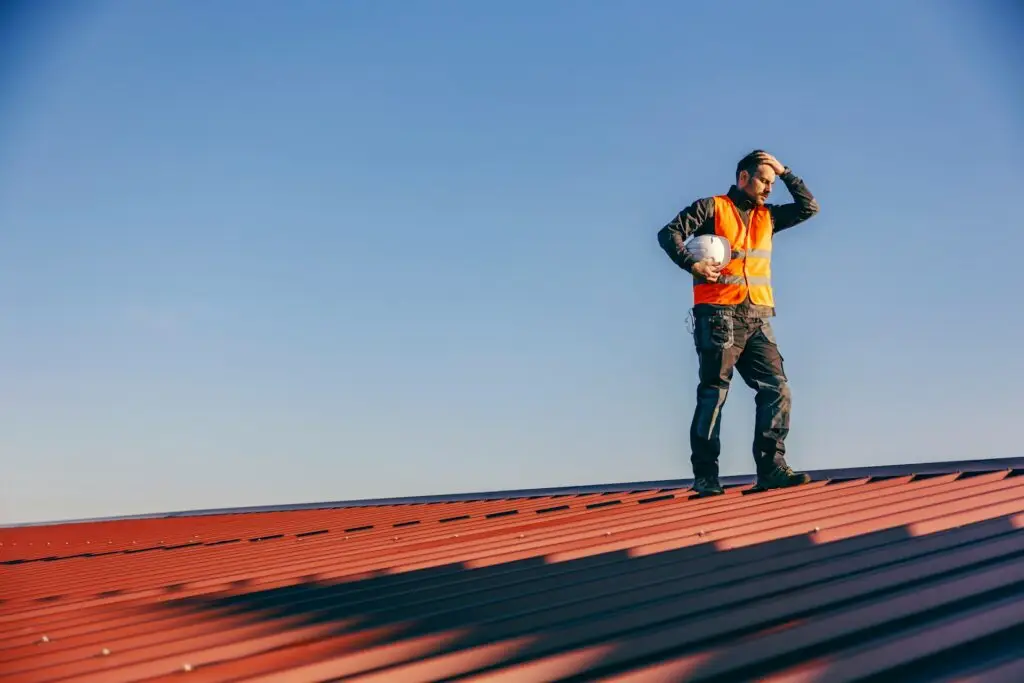
Shielding Your Distribution Center From Midwest Extremes
A roof failure at a distribution center is more than a building issue. It is a direct hit to your operations, your people, and your customer promises. In the Midwest, where tornadoes, hail, heavy snow, and fast temperature swings are part of normal life, the roof over your inventory has to be planned with those extremes in mind.
When a large facility roof fails, you are not just dealing with wet insulation. You can face damaged product, unsafe working areas, downtime in loading and picking, and missed delivery deadlines. For logistics and warehouse leaders, roof planning is risk management, not just a construction project.
As a Kansas City-based exterior and energy contractor, we focus on helping distribution centers and large footprint facilities build roof systems that are stronger, smarter, and ready for Midwest weather. The goal is simple: keep your building dry, your teams safe, and your operations moving, even when the forecast looks rough.
Identifying Weather and Operational Risks by Facility
Midwest weather throws a little bit of everything at your roof. Around the Kansas City region and across the wider area, you can expect spring tornado season with high winds and flying debris, severe thunderstorms and large hail that can bruise or puncture membranes, hot sunny summers that stress seams and flashings, and winter storms that pile on snow and create ice at drains and edges.
Distribution centers add their own set of weak spots. Many have very large flat or low-slope roofs, which act like a big sail in the wind and a big pan for water and snow. Common trouble areas include:
- Rooftop HVAC units, vents, and solar equipment
- Dock doors and canopies along loading areas
- Parapet walls and internal gutters
- Old patch jobs that hide deeper damage
On the operations side, a leak almost never shows up in a harmless corner. Water finds its way into areas that hurt the most, including material handling and conveyor lines, automation and control rooms, office and break areas, and high-value storage and temperature-controlled zones.
Good planning starts with a clear risk map of your building. That means knowing where weather is likely to hit hard and where water intrusion would cause the most disruption.
Designing a Roof System Built for Tornado Alley
For distribution centers in tornado and hail country, roof design needs to go beyond the bare minimum of code. The structure below the membrane matters as much as the surface you see. Deck type, such as steel, concrete, or wood, works together with fastener patterns and attachment methods to create uplift resistance. Planning these details to align with local codes and FM Global style standards helps your roof stay put when winds ramp up.
Membrane choice and insulation layout are another key piece. Common systems for large commercial roofs include:
- TPO, often chosen for its light color and weldable seams
- PVC, used in many chemical or food handling settings
- EPDM, a flexible rubber membrane often used on large spans
- Modified bitumen, sometimes used where multi-ply durability is preferred
You are not just picking a membrane type. You are also choosing important assembly details, including how many insulation layers you want and in what staggered pattern, the R-value you need for energy performance, cover boards or impact-resistant layers to help absorb hail, and edge metal and flashing details that keep wind-driven rain out.
To stand up to Midwest conditions, it often makes sense to include upgrades such as:
- Reinforced corners and perimeters, where wind pressure is highest
- Impact-resistant assemblies under known hail paths and rooftop equipment
- Planned snow retention and clear drainage paths, so heavy snow does not overload sections or trap ice at drains
A well-designed system pulls all these parts together so the roof works as one unit instead of a patchwork of pieces.
Smart Roof Planning for Solar, EV, and Future Tech
Many distribution centers are adding solar arrays and EV chargers to support energy goals and fleet changes. If the roof is not planned with this in mind, you can end up cutting into a fairly new system and risking leaks.
Solar-ready design means thinking ahead about:
- Structural load capacity for panels, racks, and ballast
- Layout that keeps panels away from drains, expansion joints, and pathways
- Attachment methods and penetrations that match roof manufacturer requirements
- Clear service aisles for both roofing and solar maintenance
EV chargers often need new electrical infrastructure that can affect the roof as well. Planning early lets you choose conduit paths, penetrations, and equipment locations that accomplish a few key goals:
- Keep cables and boxes away from sensitive roof areas
- Allow for future expansion of charging capacity
- Protect your roof warranty and avoid unnecessary tear-outs
Future-proofing goes even wider than solar and EV. Over a 20- to 30-year roof life, you may add more HVAC units, new process equipment, or communications gear. Smart planning includes:
- Reserved zones for future rooftop equipment
- Permanent access routes like walk pads and ladders
- Details and materials that can be tied into later without weakening the system
This kind of thinking turns your roof from a static cover into a long-term platform for building upgrades.
Maintenance, Inspections, and Storm Response Protocols
Even the best designed roof needs steady attention. A proactive maintenance plan for a distribution center roof should include:
- Seasonal inspections, especially before stormy seasons and after winter
- Debris removal around drains, scuppers, and gutters
- Checking seams, flashings, and terminations for early signs of wear
- Simple repairs to seal minor defects before they grow
Just as important is your storm response plan. After hail, high winds, or heavy snow, facility managers should have a clear checklist, such as:
- Visual checks from the ground for loose edge metal or obvious damage
- Safe rooftop inspections when conditions allow
- Temporary protection for any active leaks over key equipment or stock
- Fast contact with a trusted roofing partner for detailed assessment
Data and documentation tie it all together. Roof asset reports, with photos and condition scores, help you plan capital budgets over several years, prioritize the worst sections first instead of guessing, and show insurers and corporate risk teams that you take building protection seriously. This record also creates a history that makes future repairs and upgrades faster and more accurate.
Selecting the Right Partner for a Mission-Critical Roof
A mission-critical roof calls for a contractor that understands both the building and the business that runs inside it. Helpful traits to look for include:
- Direct experience with large distribution centers and warehouses
- Strong safety programs that fit your site rules
- Ability to work nights or weekends to reduce disruption
- Familiarity with insurance requirements and manufacturer warranties
Local knowledge is a real advantage for Midwest facilities. Contractors who work in this region every day understand how spring storms, hail, and winter conditions affect installation windows, local codes and inspection habits for industrial buildings, and which details tend to fail first in this climate.
At Pro Roofing & Solar, we support distribution centers and multi-site portfolios across the Midwest with roofing and related exterior services. By keeping specifications consistent, coordinating roofing with solar and EV plans, and focusing on long-term performance, we help operations and facility leaders build roofs that stand up to disaster-level weather and daily wear alike.
Put a Disaster-Ready Roof Plan in Motion Now
The period leading into peak storm season is a smart time to step back and assess how ready your distribution center roof really is. That means more than a quick walk-around. A strong plan reviews current conditions, studies past repairs, checks warranties, and maps out a phased strategy for upgrades and maintenance.
Working with experienced Midwest distribution center roofing experts, you can turn roof planning from a reactive emergency response into a clear, steady process. With the right design, documentation, and partner, your roof becomes one less thing to worry about when the radar turns red and your team still has trucks to load.
Get Started With Your Project Today
If your facility is ready for a roof upgrade, repair, or inspection, our team is here to help you plan the next step with confidence. As your local Midwest distribution center roofing experts, we evaluate your building’s needs, recommend the right system, and keep your operations in mind from day one. Reach out to Pro Roofing & Solar so we can review your goals, timeline, and budget together. You can also contact us to schedule a consultation at your facility.