
Lower Bills and Higher Comfort with Solar Roofing
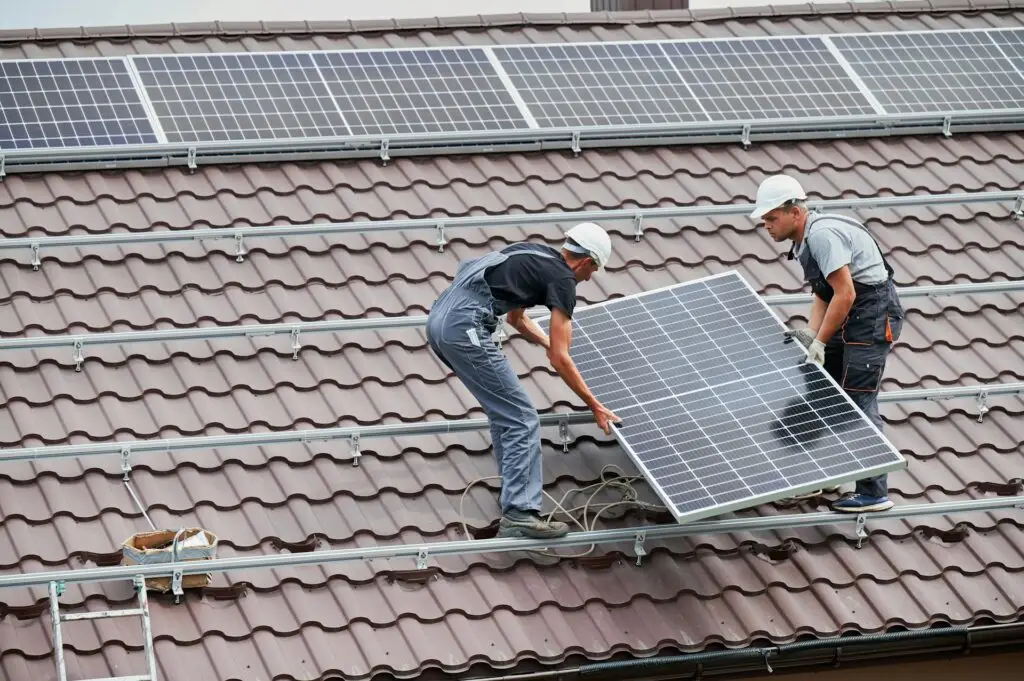
Solar roofing adds a new function to your roof. It still protects your home from rain, wind, and hail, but it also generates electricity for your household. In addition to providing protection, your roof can help reduce monthly utility costs and support a more comfortable indoor environment.
For Kansas City homeowners, this is increasingly important. Utility rates continue to rise, summers are getting hotter, and storm season can be hard on aging roofs. Many owners are looking for upgrades that last longer, use energy more efficiently, and withstand Midwest weather. Solar roofing brings these benefits together in a single, coordinated system with a streamlined, modern appearance.
Professional roofing and solar work should be coordinated so the systems support each other. When both are planned as one integrated system, you can achieve better protection, improved comfort, and stronger long-term value from your home.
How Solar Roofing Works on Kansas City Homes
Solar roofing means the solar power system is designed to function as part of the roof assembly, not simply attached on top. It can use solar shingles that resemble conventional roofing or low-profile solar panels that sit close to the roof surface. In either case, the finished installation typically has a more streamlined appearance than traditional rack-mounted panels.
A typical solar roofing setup includes several key components:
- Solar shingles or panels that convert sunlight into electricity
- Mounting hardware that secures the equipment to the roof structure
- Inverters that convert the power into a form your home can use
- Wiring that connects to the main electrical panel and the utility grid
During daylight hours, the solar roofing system produces power whenever there is sufficient sunlight. Your home uses this power first. If the system generates more electricity than you need, the excess may be exported to the grid, depending on local utility policies. At night or on cloudy days, you continue to draw power from the grid, so your home operates as usual.
Kansas City homes use a variety of roof types, including asphalt shingles, composite roofs, and low-slope sections on porches or additions. A professional design ensures the solar roofing accommodates the roof style, maintains proper ventilation, directs water correctly to gutters, and keeps all penetrations sealed and watertight.
Real Savings and Incentives Kansas City Owners Can Expect
Solar roofing can reduce costs in a straightforward way: it generates a portion of the electricity you would otherwise purchase from the utility. This can lower your monthly bill, especially during brighter months when days are longer and air-conditioning use is higher. Peak sunlight hours often overlap with the times your home uses the most power, such as hot afternoons when the air conditioner is running.
There are often financial incentives that help make solar roofing more affordable. Homeowners should inquire about:
- Federal tax credits for solar energy systems
- Possible state or local utility rebates or bill credits
- Net metering or similar programs that may provide credit for surplus power sent back to the grid
The return on investment depends on factors such as roof size, energy usage, shading, and available incentives. Many homeowners look at solar roofing as a long-term upgrade, comparable to installing new windows or high-efficiency HVAC equipment. The payback can be especially attractive when a roof replacement is already needed, because two major projects are combined into one:
- You receive a new, durable roof
- You add an electricity-producing system on top of that investment
In this way, a larger portion of the roofing budget goes toward long-term savings rather than only basic replacement.
Solar Roofing Performance in Midwest Weather
Kansas City weather can be demanding on any roof. Hail, high winds, heavy rain, snow, and significant temperature swings all stress roofing materials. Quality solar roofing equipment is designed and tested to withstand impacts, wind uplift, and repeated freeze-thaw cycles.
A well-designed solar roofing system can also support indoor comfort. By shading portions of the roof surface, solar materials can reduce heat gain into the attic. This can ease the load on your HVAC system, particularly:
- During spring warm-ups when attic temperatures begin to rise
- Throughout extended summer heat waves when the sun is intense for many hours
Maintenance requirements are typically modest but should not be overlooked. Homeowners should plan for:
- Periodic visual checks or professional inspections, especially after major storms
- Light cleaning if there is a noticeable buildup of dirt or pollen, when recommended
- Monitoring system output to confirm that performance remains consistent
Roofing materials and solar components generally have separate warranties. It is important to understand what each one covers, how long they last, and who is responsible for any service. Working with professionals who understand both roofing and solar can simplify warranty questions and help keep the system operating effectively.
When Solar Roofing Is a Smart Upgrade Choice
Solar roofing may not be the right solution for every property, but there are clear situations where it can be a strong option. Favorable conditions include:
- A roof that is aging, worn, or has storm damage and will require replacement soon
- Plans to remain in the home long enough to benefit from long-term energy savings
- Higher-than-average electricity use from HVAC, EV charging, or home office equipment
Some homeowners compare solar roofing with a traditional roof plus rack-mounted solar panels. Both approaches can be effective, but they differ in several ways:
- Aesthetics: Solar roofing often has a lower profile and a more uniform appearance.
- Roof penetrations: Integrated systems are designed with the roof from the outset, instead of being added later.
- Sequencing: Solar roofing is installed as part of the roofing project, rather than in a separate phase.
When deciding between options, it helps to review a basic checklist:
- Roof age and condition: Does it need repair or replacement in the near term?
- Shade and orientation: Does the roof receive adequate sunlight during the day?
- Budget and financing: Are you prepared for a combined roof and solar investment?
- Timing: Is there a preferred completion date, such as before peak summer heat and high AC use?
Working through these questions with a qualified professional can help identify the most appropriate solution for your home.
Next Steps to Plan a Solar Roofing Project with Confidence
Planning ahead is important, especially if you want solar roofing in place before the hottest part of the year. System design, permitting, and utility approvals can take time, so it is wise to begin the process early. This allows for a clear, coordinated plan before any work starts on the roof.
A typical process includes an on-site roof assessment, a review of energy usage and goals, and a custom solar roofing design tailored to the property. Homeowners should expect clear explanations of available options, transparent pricing, and guidance on applicable incentives. Understanding how the system is expected to perform under Kansas City conditions can help you make a well-informed upgrade decision.
Get Started With Your Project Today
If you are ready to upgrade your home with efficient, future-focused solar roofing, our team at Pro Roofing & Solar is here to guide you every step of the way. We will evaluate your roof, discuss your energy goals, and design a system tailored to your property and budget. Reach out today to schedule a consultation or ask questions about your options by using our contact us form.