Roofers

Flat Roof

Kansas City Flat Roof Decision Tree: Repair vs. Recover vs. Replace

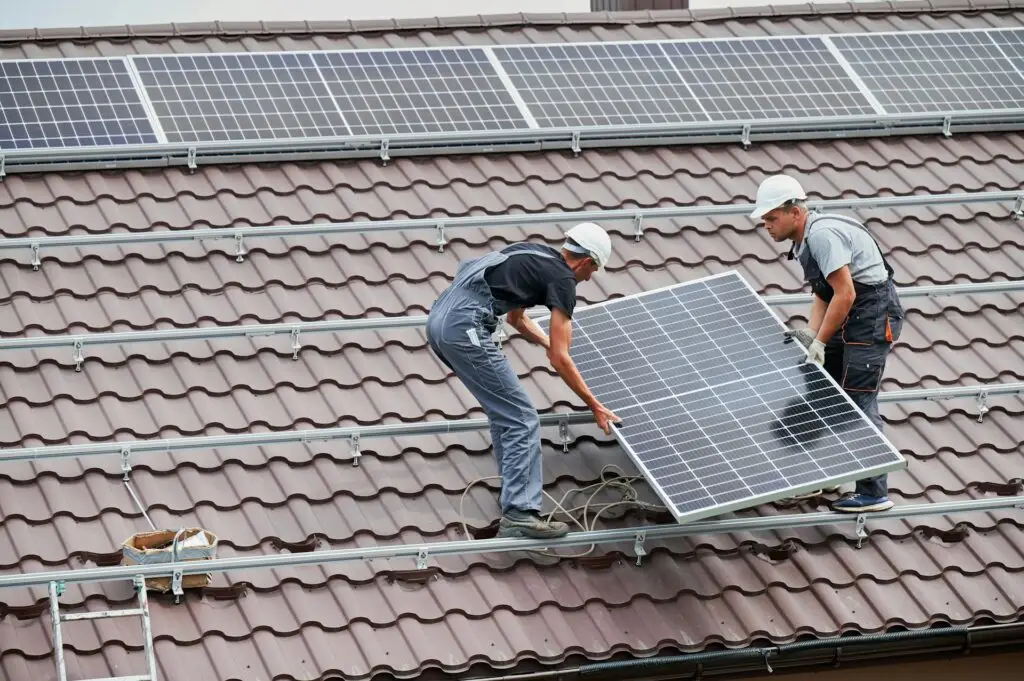
How Kansas City Owners Can Make Smarter Flat Roof Calls Commercial flat roof decisions in Kansas City carry extra weight. Wide temperature swings, hail, heavy rains, snow, and strong winds all beat on your roof year after year. Insurance companies watch your claim history, and tenants expect dry, safe spaces. One bad call on repair-vs-replacement can haunt your budget for a long time. The big question is simple: when do you repair, when do you install a recover (overlay), and when is a full replacement the only smart move? In practice, that choice is not always clear from a quick walk on the roof. You need clear triggers, solid timelines, and good documentation so you can talk with commercial flat roof replacement specialists using facts, not guesswork. Late winter is one of the best times to do that, because you have a full year of roof performance to review before spring storms hit again. Know Your Roof’s Starting Point Before You Decide Before you decide anything, you need to know what you actually have up there. The starting point sets the whole decision tree. Key variables include: To build a good baseline, commercial flat roof replacement specialists will usually: In Kansas City and across the Midwest, there are some common stress points to watch closely: hail bruising and punctures in the membrane, UV cracking after hot summers, ice damming at drains and scuppers, and wind uplift at edges and parapets. If you see those signs, they feed into your first branch of the decision tree. That baseline assessment is always step one. Without it, any choice between repair, recover, or replacement is just a guess. With it, you can start to sort your options with a lot more confidence. When a Repair Is Enough to Extend Roof Life Not every flat roof problem means you need to start tearing off. A well-timed repair can often buy several more good years, especially on younger systems. Repairs are usually a smart move when: Common “repair triggers” instead of replacement include: Late winter and early spring can be a smart window for repairs in Kansas City. You can see where snow and ice stressed your drains and seams, then fix those weak points before heavy rain and storm season hits. That timing keeps minor issues from turning into major leaks. Good documentation is your best friend here. Make sure you keep: Those records help protect warranties, support future insurance claims, and guide your next round of decisions. Deciding If a Roof Recover Is the Right Move A recover is when a new roofing system is installed over the existing one, as long as codes, structure, and roof condition allow it. It can be a smart middle ground between constant repairs and a full tear-off. A recover is usually on the table when: The benefits can include: But there are real risks if it is not done correctly. Poor drainage design, blocked scuppers, or bad edge details can trap hidden moisture between layers. That can speed up decay and lead to larger problems down the road. Commercial flat roof replacement specialists will typically: Those reports are important for your records, for any future sale, and for showing that your decision to recover, instead of replace, was based on solid facts. Clear Triggers That Mean Full Replacement Is Non-Negotiable Some situations push the decision tree straight to full replacement. In those cases, more patches or another overlay can waste money and increase risk. Red flags that often mean full replacement is needed include: Code and safety triggers are just as important. If your roof already has more than two layers, many codes will not allow another recover. A compromised fire rating or obvious structural concerns also push strongly toward a full tear-off. Prior “band-aid” overlays that hide systemic failures are another warning sign. Timing and phasing matter. Planning a full replacement before storm season, or before a warranty runs out, can help limit business downtime and protect interior finishes. You may also be able to phase the work by sections, so your building stays operational while the project moves along the roof. For a full replacement, you will want strong documentation, including: Build Your Roof Action Plan with the Right Specialists Turning this decision tree into a simple action plan helps you stay ahead of problems instead of reacting to them. A practical plan can include: Choosing the right partner matters. You want a team with experience on Kansas City commercial properties, including flat roofs that see hail, snow, heavy rain, and strong sun. They should be comfortable working with different roofing systems, coatings, and solar-ready roofs, and they should have strong processes for photos, reports, and warranty paperwork. Late winter is a smart time to schedule inspections and talk through your options for spring and summer work. You can budget for repair, recover, or replacement, and line up roof projects with other exterior upgrades like solar, siding, gutters, or even decks on mixed-use properties. At Pro Roofing & Solar, we work with building owners, property managers, and facility directors across the Midwest to make these decisions with clear data and simple language. When you understand your triggers, timelines, and documentation, you can move from guessing to planning, and keep your flat roof working for you instead of against you. Get Started With Your Project Today If your commercial flat roof is aging, leaking, or driving up energy costs, our team at Pro Roofing & Solar is ready to help you plan a reliable, long-term solution. As trusted commercial flat roof replacement specialists, we evaluate your building, budget, and timeline so you know exactly what to expect before any work begins. Reach out today to discuss your project, get straightforward recommendations, and schedule a professional assessment, or contact us to request a customized quote.

Kansas City Flat Roof Decision Tree: Repair vs. Recover vs. Replace Read More »

Roofing

Common Commercial Roofing Mistakes Kansas City Developers Overlook

Avoid Costly Downtime with Smarter Roof Decisions Commercial roofs in Kansas City take a beating. Freeze, thaw cycles, high winds, hail, and heavy spring storms all hit the same surface, year after year. When a roof is designed or installed without these stresses in mind, problems do not stay on the roof for long. They move indoors as leaks, damaged finishes, and even lost inventory. Many of the biggest issues start as small oversights. A material picked only because it was the lowest bid. A drain moved late in the project. A missed inspection. On paper, these choices look minor. In real life, they can lead to shutdowns, upset tenants, and angry calls at 2 a.m. during a thunderstorm. As a local exterior contractor, we see how the right roofing choices keep buildings operating smoothly. Good planning means fewer surprises, less disruption, and a roof that supports the project budget instead of blowing it up later. Thoughtful commercial roofing solutions in Kansas City do not just stop leaks; they protect your schedule, your tenants, and your long-term investment. Overlooking Local Climate When Choosing Roofing Systems Kansas City weather can swing from icy mornings to warm afternoons in the same week. Roofs expand and contract with those temperature changes. Add snow, hail, intense summer sun, and you have a tough environment for any roofing system. A common mistake is picking a roof based on a brochure or a national spec that is not tuned to our climate. Some examples include: On many projects, materials are compared mainly by price or by a simple warranty length. That skips hard questions like: How does this assembly handle ponding water? What happens at terminations during freeze-thaw? How does wind uplift change with this building height and shape? Experienced providers of commercial roofing solutions in Kansas City look at how a building is actually used. Key factors include: By matching the system to the building, the site, and local weather patterns, you get a roof that performs closer to what you planned on paper instead of constant patchwork later. Ignoring Drainage and Ponding Until It’s Too Late Water that sits on a roof rarely stays harmless. Ponding speeds up membrane wear, can stress the structure, and often finds its way into the building. Yet drainage details are often treated like an afterthought. We see several repeating mistakes: Over time, debris can clog drains and scuppers. If regular maintenance is not part of the plan, the first big storm can reveal serious problems. Water backs up, seams stay wet, and leaks appear in offices, retail areas, or production spaces. Better drainage starts early in design. Good practice includes: When drainage is treated as a major design item instead of a checkbox, roofs last longer and tenants stay dry, even when storms park over the metro for hours. Underestimating Code, Warranty, and Inspection Requirements Building codes in Kansas City and across the Midwest pay close attention to wind, fire, and energy performance. Commercial roofs must meet specific wind-uplift ratings, fire classifications, and insulation R-values. Those requirements can change with building height, use type, and location. Developers and owners sometimes assume that if a product has a warranty, everything must be covered. That is not always how it works. Problems we see include: Any of these can put a warranty at risk. They can also put the project out of compliance with local code. Fixing that after the fact usually means more cost and more disruption. Seasoned commercial roofing teams build code review and warranty coordination into the process from the start. That means: When everyone is aligned on these requirements, you reduce surprises with inspectors and protect both the roof and the warranty that supports it. Treating the Roof as Separate From Solar and Building Systems More developers are adding rooftop solar, EV charger infrastructure, and larger HVAC equipment to meet tenant needs. All of that interacts directly with the roof, even if the roof plan was drawn first. Problems start when systems are planned in silos: Every stand, cable, and curb is one more chance for water to get under the membrane if it is not planned and detailed well. It also affects how safely crews can move around the roof for maintenance. An integrated roofing and solar approach lets the roof layout, structural support, and mechanical needs grow together. Thoughtful planning covers: When the roof is seen as part of the larger building system, you get cleaner details, fewer leak points, and better performance from both the roof and the equipment on top of it. Planning Now to Protect Next Year’s Budget and Tenants Late winter and early spring are smart times for Kansas City developers to step back and look at their roofs. The worst cold is easing, storms are on the way, and construction schedules start to fill up. This is when small problems can still be handled before they turn into emergency calls. Practical steps that help protect budgets and tenants include: When commercial roofing solutions in Kansas City are planned with climate, drainage, code, and building systems in mind, the roof stops being a weak spot. It becomes a quiet, reliable part of the property that just does its job, season after season, while you focus on the rest of the development. Get Started With Your Project Today If your property needs reliable protection, we are ready to help you plan the right solution and timeline. Explore our commercial roofing solutions in Kansas City to see how Pro Roofing & Solar can support your building’s long-term performance. Share a few project details and we will provide clear recommendations, transparent pricing, and a schedule that works for you. Have specific questions or need to speak with our team directly, simply contact us.

Common Commercial Roofing Mistakes Kansas City Developers Overlook Read More »

Hail Damage

Why Commercial Roof Hail Damage Inspections Matter in Kansas City

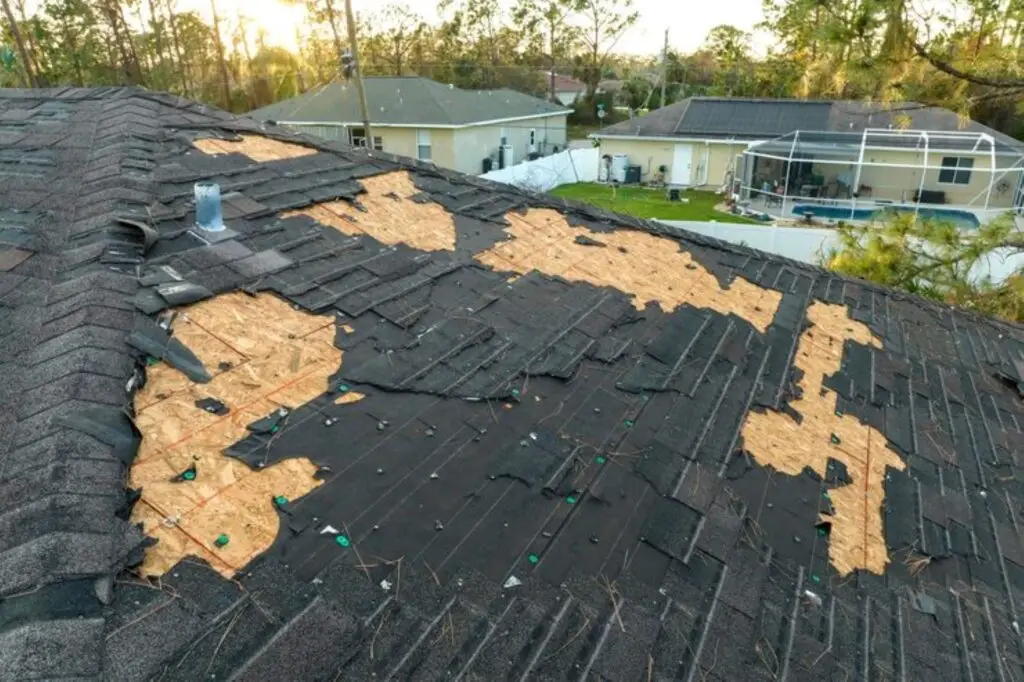
Protecting Your Commercial Roof Before Spring Storms Kansas City weather likes to keep business owners on their toes. One week it feels like spring, the next week icy wind and snow roll back in. Those quick shifts in late winter and early spring are exactly what make this time of year so hard on commercial roofs, especially after hail. February is a smart time to get ahead of it. Snow is starting to melt, storms are on the horizon, and small roof problems from earlier hail can start to show themselves. When that damage goes unnoticed, it can shorten the life of your roof, interrupt daily operations, and create bigger repair bills down the road. A professional commercial roof hail damage inspection is not just another line item on a maintenance list. It is a strategic way to protect your building, your tenants, and your long-term budget. Instead of reacting to leaks and interior damage, you are choosing to spot trouble early and plan your next steps. As a local exterior contractor based in the Kansas City area, we pay close attention to Midwest storm patterns and how they affect different roof systems. We also understand what many regional insurance carriers look for when it comes to proof of hail damage and roof condition, which helps building owners stay better prepared. How Hail Quietly Damages Commercial Roofs Hail does not have to be huge to cause trouble on a commercial roof. Different roofing systems respond in different ways, and much of the damage happens where you cannot see it from the ground. On flat and low-slope commercial roofs, you might see: Metal roofing looks tough, and in many ways it is, but hail can still cause: The problem is that most of this is not visible from the parking lot. A roof can look fine from the street, and you may not notice any leaks for months. That calm after the storm can give a false sense of security, even when the roof has been weakened. Hail damage usually gets worse in stages: 1. Impact weakens the membrane or finish, even if there is no leak yet.   2. Seams, flashings, and fasteners start to separate as the roof moves with heat and cold.   3. Water finds its way into insulation, roof decking, and then the building interior.   By the time water stains appear on ceiling tiles, the damage inside the roof system is often far more serious than it looks on the surface. Why Timely Inspections Matter in Kansas City’s Climate Kansas City’s constant freeze-thaw cycles are tough on any damaged roof area. During cold nights, trapped moisture around hail impacts can freeze and expand. When it warms up, it melts and moves into any tiny opening it can find. This repeat motion stretches small flaws into bigger ones. Then heavy spring rains arrive. Any weak spots from hail, even those that seemed harmless a few weeks before, can become paths for water. Once moisture gets into insulation, it can stay trapped, adding weight to the roof and breaking down materials from the inside. High summer heat adds another layer of stress. Roof surfaces expand in direct sun, then cool at night. Membranes stretch and contract, and any area that was already bruised or punctured by hail is more likely to crack or split completely. Getting a commercial roof hail damage inspection before peak storm season gives you a clear baseline of your roof’s condition. That way you can: That early snapshot of roof health is one of the best protections you can have against the chain reaction that Kansas City weather can set off. What to Expect From a Professional Hail Damage Inspection A good commercial roof hail damage inspection is careful, methodical, and focused on the details that matter for both performance and documentation. Here is what the process usually includes: During the on-roof assessment, we look for signs such as: Documentation is a big part of the value. A professional inspection should include: This kind of report helps you make informed decisions about repair, maintenance, and long-term planning. It can also support conversations around warranties and future work that may be needed. Insurance, Warranties, and Protecting Your Investment After a hail event, time is not on your side when it comes to insurance. Many carriers expect prompt notice of possible damage, along with reasonable steps to prevent further harm. Without a timely inspection, it is hard to prove when the damage happened or how bad it was at the start. A documented commercial roof hail damage inspection gives building owners and property managers: Manufacturer warranties often expect regular upkeep as well. If hail damage is ignored, and later leads to leaks or system failure, that lack of maintenance can work against you in warranty discussions. Addressing damage when it is first identified shows that you are taking care of the roof as required. For many owners, this inspection becomes a key piece in planning the future of the building. It helps answer questions like: That kind of clarity keeps surprises to a minimum and helps protect one of the largest assets on your property: the roof. Take Control of Roof Health Before Storm Season Hits Late winter is a smart window of time for Kansas City building owners, property managers, and facility leaders to think about roof health. Snow and ice are starting to fade, and spring storms have not fully arrived yet. That gap gives you room to act instead of react. Setting up a steady plan can make all the difference. Many owners choose to: At Pro Roofing & Solar, we work across the Midwest on commercial and residential exteriors, so we see firsthand how our weather shapes the life of a roof. A thoughtful inspection strategy, backed by clear documentation, is one of the simplest ways to protect your buildings, your tenants, and your peace of mind as storm season approaches. Get Started With Your Project Today If your commercial building has been

Why Commercial Roof Hail Damage Inspections Matter in Kansas City Read More »

Roof Changes

How Kansas City Owners Can Document Roof Changes to Protect Warranties

Protecting Your Roof Warranty Before Spring Storms Roof warranties are written to protect you, but they can also be easy to lose. One missed step, one unrecorded HVAC visit, or one solar install with no paperwork can leave you paying out of pocket when you expected coverage. For Kansas City owners, that risk goes up as late winter and spring storms roll through. Our area sees hail, strong winds, and freeze-thaw cycles that stress every type of roof. Those same conditions often lead to warranty claims, which means manufacturers and roofing contractors look very closely at the history of your roof. If the documentation is not there, it is much easier for them to deny commercial roof warranty work. This is where many owners get caught by surprise. Changes that feel minor can quietly void coverage. For example, HVAC replacements or new rooftop units, solar arrays, EV charger conduits, new conduits or pipes run across the roof, satellite dishes or antennas or signage, new walk pads or access routes, and tenant improvements that add penetrations can all create warranty issues if they are not properly approved and documented. The good news is you do not need a complex system. A simple, steady way to document every change can protect your warranty, your roof, and your budget, whether you manage a commercial building, an HOA, or a larger property portfolio. How Roof Warranties Really Work in Kansas City To keep your coverage, you first need to know what kind of warranty you have. Most roofs fall into a few basic groups, and the type you have affects what is covered and what documentation you must keep. Common types include:   Each of these comes with conditions, and documentation exists to show you are meeting those conditions over time. In practice, that means manufacturers and contractors want proof that the roof has not been altered improperly, that issues were reported in time, and that maintenance was handled as required. Typical requirements include:   Here in the Midwest, fine print often focuses on water and weather exposure, because those are the most common sources of damage and disputes. You may see language around:   Another detail that catches owners is a sale or tenant change. Warranty transfers often require proof of inspections, records of any commercial roof warranty work, and documentation of all rooftop changes. If your paperwork is scattered or missing, you might not be able to transfer coverage at all, which can lower the value of the property. Documenting Every Rooftop Trade Visit the Right Way The best time to protect your warranty is before anyone sets foot on the roof. Setting a simple “roof access protocol” keeps everyone on the same page and reduces the chance that a trade unintentionally creates an uncovered condition. We suggest a basic rule: no one steps on the roof without being logged. That includes HVAC contractors, solar installers, electricians and low-voltage trades, plumbers with rooftop vents, telecom companies or satellite companies, and signage contractors or general trades. For every visit, make sure there is a written work order or service ticket that includes:   Next, create a dedicated “Roof File” for each building, both digital and physical. This file should act as your single source of truth when a claim, repair, transfer, or inspection comes up. At a minimum, keep:   It also helps to assign one “roof steward.” This can be a property manager, facility manager, or owner representative who keeps the process consistent from year to year. The roof steward controls who gets roof access, collects documentation from every trade, confirms roof-related paperwork before invoices are paid, and keeps the Roof File organized and updated. Adding HVAC, Solar, and EV Chargers Without Voiding Coverage HVAC upgrades, solar installs, and EV charger projects are great improvements, but they are also common sources of warranty trouble. The reason is simple: these projects often involve new penetrations, new equipment supports, and more foot traffic on the roof, which increases the odds of damage or improper tie-ins. Rooftop HVAC work often involves:   Every one of those items must be properly flashed and sealed, typically by a roofing contractor approved for your system. If the HVAC crew cuts or alters the roof and no qualified roofer follows behind them, your warranty may not cover leaks in that area. Solar and EV charger projects create similar risks. Key issues include:   Manufacturers often require pre-approval or specific details for any new penetrations or equipment. If they are not notified, they can limit or cancel coverage for the affected sections, even if the rest of the roof is still under warranty. A smart step-by-step process looks like this:   1. Review your existing roof warranties and installation documents.   2. Contact the roofing manufacturer or a qualified roofer before design is finalized.   3. Get approved details for curbs, racking, conduits, and penetrations.   4. Have a certified or approved roofing contractor complete all roof tie-ins.   5. Document everything with photos, drawings, and signed work orders.   6. Store all records in your Roof File right away.   Building a Simple Roof Documentation System You do not need complex software to keep your warranty safe. A simple schedule that matches Kansas City’s climate can go a long way, especially if it creates repeatable records that are easy to find when you need them. A helpful inspection rhythm might be:   Each time, walk the roof with a qualified professional and record:   On the digital side, set up a basic cloud folder system that stays consistent across properties and years. Use one main folder per property, subfolders by year, file names that follow a pattern such as “YYYY-MM-DD_trade_scope,” roof diagrams marked up to show where each photo or repair belongs, and a regular backup process so nothing gets lost. You can also build roof documentation rules into your vendor contracts and tenant improvement guides. For example, you can require:   When your records are clear and easy to find, commercial roof warranty work is faster to approve, claims are easier to process, and

How Kansas City Owners Can Document Roof Changes to Protect Warranties Read More »

flat roofing

When Flat Roof Ponding Water Becomes a Commercial Liability

When Flat Roof Ponding Quietly Turns Into Liability Ponding water on a flat roof looks harmless at first. It is just a shallow puddle that lingers after rain or snow. But when that same water keeps coming back, sitting for days, and freezing and thawing through late winter, it quietly turns from a small maintenance headache into a serious commercial liability. For building owners and property managers, that puddle can lead to leaks, slip-and-fall accidents, damaged tenant property, and long arguments with insurance. In the Midwest, where we deal with temperature swings, snow, and heavy rain, flat roof ponding water solutions are not just about looks. They are about protecting cash flow, keeping tenants happy, and avoiding late-night emergency roof calls. Why Ponding Water Is More Than an Eyesore On a commercial flat or low-slope roof, ponding water is usually defined as water that stays put for more than 48 hours after rain or snowmelt. These roofs are common on warehouses, offices, retail centers, and industrial buildings across the Kansas City area and the Midwest. They are designed to drain slowly, but not to hold water like a swimming pool. Flat roofs in our climate are especially at risk because of: When water stays in one place, it starts to break things down. Over time, you can see: That damage does not stay on the surface. Once water finds a path inside, it can: At that point, you are not just looking at a roof problem. You are dealing with interior repairs, possible health concerns, and sections of your building that might have to be closed while work is done. Hidden Liability Risks Owners Often Overlook Many owners see ponding water as ugly but not urgent. The bigger risk is what happens when that water finally shows up inside the building, and how that looks from a legal and insurance point of view. From a liability angle, recurring roof leaks can be tied to: If you have a pattern of leaks and there is clear evidence of long-term ponding, it can be harder to argue that you did everything you reasonably could to prevent damage. Insurance companies often review: When they see years of the same issue with no real fix, they may limit coverage or push back on claims, saying that the problem was neglect, not sudden damage. There is also the reputational side. Tenants talk. If they are dealing with buckets in the hallway, stained ceiling tiles above their workspace, or wet carpet in a retail showroom, they start to question how well the building is managed. That can lead to: So that small puddle on the roof can create a long chain of problems that hit your bottom line and your ability to keep quality tenants in place. Flat Roof Ponding Water Solutions That Actually Work The good news is that ponding water can be fixed. It takes planning, the right materials, and a professional eye, but it does not always mean a full roof tear-off. Some of the most effective long-term solutions include: These changes help move water off the roof faster so it does not have time to pool and break things down. On top of slope and drainage improvements, surface-level upgrades can give extra protection: The key is to start with a thorough inspection from a commercial roofing specialist who understands flat roof systems and local building codes. A professional assessment can map out where water collects, how the roof structure is performing, and which flat roof ponding water solutions are best for your specific building and roof type. Seasonal Strategies for Late Winter and Early Spring Late winter into early spring is a tough time for flat roofs in the Midwest. Snow melts during the day, then refreezes at night. Rain falls on frozen surfaces. Existing ponding problems often get worse, and sometimes they are harder to see until the water finally finds a path inside. During this period, it helps to follow a simple routine: Catching these issues now means you can plan smart repairs before the stronger spring storms and hail seasons hit. Late winter is also a good time to start planning a roof and drainage upgrade schedule. That way, you are not trying to arrange major work in the middle of the busiest rain weeks when every contractor is slammed with emergency calls. Flat roof ponding water solutions often work best when they are part of a seasonal maintenance plan. Regular inspections, small repairs, and timely drainage improvements keep your roof ready for whatever the next front brings across the plains. Protecting Your Commercial Roof Before the Next Storm Treating ponding water early almost always costs less than fixing structural damage, replacing soaked insulation, handling tenant claims, or dealing with health and code issues later. When you look at the full picture, those shallow puddles on your flat roof are warning signs, not background noise. At Pro Roofing & Solar, we work with commercial property owners and managers across the Kansas City area and the Midwest to spot these risks before they turn into emergencies. By focusing on drainage, slope, and durable roof systems, we help extend roof life and cut down on avoidable interior damage and downtime. The most effective next step is simple: take ponding seriously. Keep track of recurring problem areas, review your past roof repairs and maintenance notes, and make sure your next roof inspection includes a clear plan for long-term flat roof ponding water solutions. Over time, that focus can protect your building, your tenants, and your peace of mind every time the forecast calls for snow, rain, or both. Protect Your Building With Proven Flat Roof Solutions If standing water is putting your roof and business at risk, we can help you stop the damage before it spreads. At Pro Roofing & Solar, we design and install long-lasting Flat roof ponding water solutions tailored to your building and budget. Let us inspect your roof, identify the root causes, and provide clear, practical

When Flat Roof Ponding Water Becomes a Commercial Liability Read More »

commercial roof

Understanding Commercial Roof Maintenance Plans in Kansas City

Protecting Your Commercial Roof Investment Year-Round A commercial roof is a critical component of any building. It protects occupants, inventory, equipment, and daily operations. When a roof fails, work can stop, interiors can be damaged, and tenants or customers may be forced to vacate the space. Treating the roof as a long-term asset, rather than addressing issues only when they become urgent, is essential. A proactive maintenance plan monitors the roof before problems appear inside the building. Reactive, “fix-it-when-it-leaks” repairs typically cost more over time and create additional operational disruption. In Kansas City, where freezing winters, hail, heavy rain, and strong winds are common, a structured approach to commercial roof care is especially important. Commercial roof maintenance services in Missouri provide building owners and managers with a defined schedule, documented records, and greater clarity about the condition of their roofing systems. Why Kansas City Weather Demands Proactive Roof Care Kansas City weather places continuous stress on commercial roofing systems throughout the year. Winters bring cold temperatures, ice, and snow. As snow melts during the day and refreezes at night, roofing materials on flat and low-slope roofs can expand and contract. Over time, this movement can cause cracks, open seams, and loose flashing. Storm season introduces additional challenges. Strong winds, heavy rain, and hail can impact: Summer heat also accelerates wear. Prolonged sun exposure can dry out certain materials and shorten their service life. When drains are partially blocked, even a brief heavy downpour can result in ponding water on the roof surface, increasing load and the risk of leaks. A tailored maintenance plan addresses these year-round stresses. Rather than waiting for severe weather to reveal weak points, proactive care identifies potential issues early. For Kansas City businesses, this typically results in fewer emergency calls, reduced unplanned downtime, and more predictable roof performance. What a Professional Commercial Roof Maintenance Plan Includes An effective commercial roof maintenance plan is structured and repeatable. It involves more than occasional, informal walk-throughs. Professional commercial roof maintenance services in Missouri generally include several key components. Typical elements include: During an inspection, a trained team evaluates the visible surface as well as details that are frequently overlooked. This includes seams, edges, terminations, flashings, roof-mounted equipment, and transition areas where different materials meet. Inspectors also look for evidence of ponding water, soft spots, or damage to walking paths and protective surfaces. A clear condition assessment is another important component. Instead of estimating remaining service life, property managers receive a professional opinion based on current conditions observed on the roof. This supports: Thorough documentation is also critical. Many manufacturer warranties require regular inspections and maintenance, supported by records. Photo reports and written findings can also assist with insurance claims following a storm. For owners and managers, these reports are useful tools for long-term capital planning and for tracking roof performance over time. How Regular Maintenance Saves Money and Extends Roof Life Skipping regular maintenance can appear to reduce short-term costs, but it usually leads to higher expenses over the life of the roof. Identifying minor issues early is almost always less costly than addressing major failures later. During routine visits, roofing professionals can identify issues such as: If these conditions are not addressed, they can develop into active leaks. Water intrusion can affect insulation, drywall, ceilings, and even electrical systems. A single slow leak can result in stained ceilings, mold growth, equipment damage, and disruptions to normal business operations. Regular commercial roof maintenance services in Missouri help extend the life of the roof systems by correcting small issues before they progress. Extending roof life allows owners to defer the cost and disruption of full replacement. Planned inspection visits also reduce emergency service calls, which often occur during severe weather or outside normal business hours. There are additional operational and financial benefits. A dry, reliable roof helps: For office, industrial, retail, and multifamily buildings, a consistent maintenance program supports smoother operations, fewer unexpected disruptions, and stronger long-term returns on the roofing investment. Choosing the Right Commercial Roof Partner in Missouri Not every contractor is an ideal fit for commercial roof maintenance. Selecting an appropriate partner in Missouri significantly affects the quality and reliability of a maintenance program. Key qualifications to consider include: It is also beneficial to work with a team that understands the broader building envelope. Pro Roofing & Solar is an exterior contractor based in Kansas City that works with roofing, solar, EV chargers, siding, painting, gutters, windows, and decks for residential and commercial properties across the region. This broader exterior experience supports a coordinated approach to how roofing, gutters, walls, and openings function together. Professional commercial roof maintenance services in Missouri should be tailored to the specific property. A qualified partner will: The objective is a long-term, professional relationship in which the contractor understands the building, tracks changes over time, and supports informed planning rather than last-minute responses to emergencies. Scheduling Maintenance Around Kansas City Storm Seasons For many Kansas City properties, it is effective to schedule roof assessments around anticipated weather patterns. A late-winter or early-spring inspection can identify issues caused by snow and ice and prepare the roof for heavy rain, hail, and wind. A practical maintenance calendar might include: By planning these visits with a qualified local contractor such as Pro Roofing & Solar, owners and managers can help keep commercial roofs in reliable condition throughout the year. Scheduled inspections, cleaning, and maintenance performed by professionals familiar with Kansas City conditions and commercial building requirements support consistent performance and reduced risk of unexpected roofing problems. Protect Your Commercial Roof Investment Year-Round If you are ready to prevent leaks, extend your roof’s lifespan, and avoid costly disruptions, our team at Pro Roofing & Solar is here to help. Whether you need routine inspections or a customized maintenance plan, our commercial roof maintenance services in Missouri are designed to keep your building covered with confidence. Have questions or want to schedule a visit? Contact us today to get started.

Understanding Commercial Roof Maintenance Plans in Kansas City Read More »

new construction roofer

Top New Construction Roofing Pros in Kansas City

Why Your New Construction Roof Can Make or Break Your Investment When you picture a new build, you probably see finishes, fixtures, and floor plans. We picture the roof. In Kansas City, where hail can pound your siding one week and heavy snow can load your rafters the next, the roof quietly decides whether that dream project becomes a long term success or an ongoing headache. That is why choosing the top new construction roofers in Kansas City, Kansas matters from day one. A new construction roof has to be more than a pretty shell. It has to manage high winds that rip across open lots, driving rain that loves to find weak flashing, and temperature swings that make materials expand and contract. If the system is not designed and installed correctly, problems do not always show up right away. Instead, they show up in a few seasons as attic moisture, curled shingles, or subtle leaks that stain drywall and insulation. Those issues are expensive. A better roof up front often means lower energy bills, fewer maintenance calls, and a longer life before replacement. For homeowners who plan to stay in their custom home, and for commercial owners planning to hold a property as an investment, those long term costs matter more than saving a little on the initial bid. New builds also move fast. Framers, electricians, HVAC crews, and inspectors all have a say. You need a roofing team that understands how to protect the structure at each phase, meets tight schedules, and keeps everything aligned with local code. That is where working with experienced new construction roofers in our area really pays off. What Sets Top New Construction Roofers in Kansas City Apart Local experience is not a nice to have, it is essential. A Kansas City based team knows how our storms typically hit, how ice tends to form along eaves, and how quickly summer heat can build in an attic. We also understand local building departments on both sides of the state line, the timing of jurisdictional inspections, and what certain inspectors focus on when they step on a roof or into an attic. That local connection often translates into better scheduling. Established relationships with builders, code officials, and suppliers help keep materials available, inspections timely, and projects moving. When trusses are up and the structure is exposed, days matter. Craftsmanship and material knowledge matter just as much. A steep slope custom home with architectural shingles needs different details than a flat commercial building with TPO or EPDM. Some projects call for impact resistant shingles to help handle hail. Others are better suited for standing seam metal or a solar ready configuration that lets panels tie in neatly later. We believe certified installers and manufacturer training are key. Proper installation is what keeps warranties intact and performance consistent from one building to the next. On new construction, there is no excuse for sloppy nailing, poorly placed vents, or shortcut flashing. Then there is reliability and communication. Builders and owners need roofers who: When roofing is integrated into project management instead of treated as an isolated task, the whole build benefits. Key Factors to Evaluate When Hiring a New Construction Roofer There are a few non negotiables. Proper licensing in Kansas and Missouri, general liability coverage, and workers compensation are musts. Written workmanship warranties, in addition to manufacturer coverage, show that a roofer is prepared to stand behind the installation. We encourage owners and builders to ask for copies of documentation and to read warranty language carefully. What is covered for labor, what is covered for materials, and what events might void coverage over time? A strong portfolio is just as helpful. Ask to see projects similar to yours, such as: Combine that with online reviews and direct references from local builders or developers. Ask about cleanliness, whether crews protected the jobsite, and if deadlines were met without constant chasing. Transparency in pricing and scope is another key sign. A clear proposal should spell out materials, underlayment, ventilation systems, flashing details, labor, estimated timelines, and any likely add ons such as sheathing replacement if needed. Be cautious with bids that seem far lower than the rest. Often that means thinner underlayment, less experienced crews, or shortcuts that may not meet code. Why Pro Roofing and Solar Ranks Among the Top New Construction Roofers in Kansas City, Kansas At Pro Roofing & Solar, we focus on being a comprehensive partner, not a single trade that appears for a week and disappears. We work on custom homes, multi home developments, and commercial properties, and we also plan for solar ready and solar integrated roofing systems. That means we think about how the roof works on day one and how it will work if you or your buyer decide to add solar five years from now. Because we also provide gutters, siding, windows, exterior painting, decks, and EV charger installation, we can coordinate much of the exterior envelope under one roof. Instead of juggling four or five different contractors, a builder or owner can coordinate key exterior trades through a single team that understands how each piece affects the others. Our recommendations are built around Kansas City conditions. We pay close attention to impact resistance for hail, attachment methods for wind uplift, and long term performance in our freeze thaw cycle. Proper attic ventilation, balanced intake and exhaust, and detailed flashing around chimneys, walls, and penetrations help protect more than just shingles. They protect framing, insulation, drywall, and finishes. We are also comfortable inside a builder’s workflow. That starts with blueprint review and pre construction planning, so roof design and ventilation match the structure. We coordinate with framers for sheathing and layout, schedule around other trades to keep the site safe, and align installation phases with inspection milestones. After installation, we remain available for warranty service, post storm inspections, and maintenance guidance so owners can protect the roof and keep warranties valid. How Integrated Exterior Services Strengthen Your New

Top New Construction Roofing Pros in Kansas City Read More »