
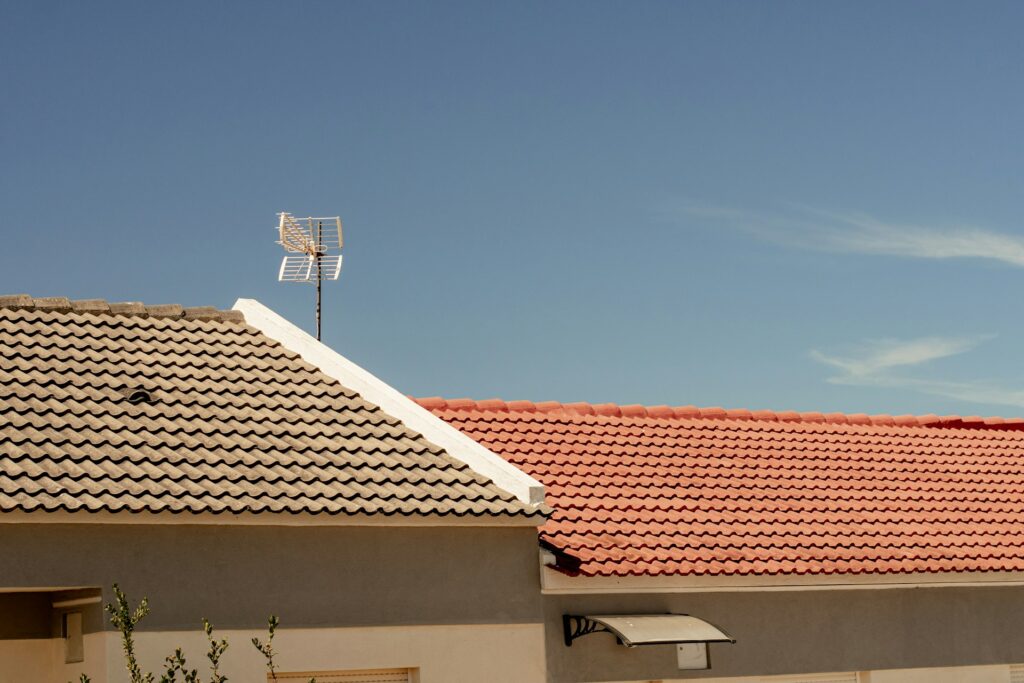
Choose Roof Shingles That Outlast Midwest Storms
Roof shingles in the Kansas City area have a tough job. One week it is warm and sunny, the next week we are getting hail, strong straight-line winds, and heavy rain. Your roof has to handle big temperature swings, ice, and long, soaking storms, sometimes all in the same month.
Not every shingle is built for that kind of stress. When shingles fail early, you do not just lose some curb appeal, you open the door to leaks, wood rot, and interior damage that can show up long after the storm is gone. Choosing the right roofing system protects your home and can save you from repeat repairs.
As a local roofing and exterior contractor, we pay close attention to how Midwest storms hit homes and businesses. We help property owners pick roof shingles and roofing systems that stand up when the weather turns rough. In this article, we will walk through how shingles are rated, which materials hold up best, and why good installation and care matter just as much as the product on the roof.
How Midwest Weather Punishes Your Roof
Kansas City weather keeps roofs on their toes. In a typical year, your roof may face:
- Spring hailstorms and severe thunderstorms
- Straight-line winds and tornado threats
- Driving rain that hits sideways
- Freeze-thaw cycles with ice, sleet, and snow
- Hot, sunny stretches that bake the shingles
Each of these takes a different toll on roof shingles. Hailstones can bruise shingles, crack the surface, and knock off protective granules. You might not see broken shingles from the ground, but the damage shortens the life of the roof and can lead to bare spots that age faster in the sun.
High winds can catch the edges of shingles and lift them. When that happens, nails can pull loose, seal strips can break, and whole shingles can tear off. Even if the shingles do not blow away right away, that lifted edge is now a weak point where water can get under the roofing.
Wind-driven rain is another problem. Water can be forced under shingles and around flashing. If the underlayment and flashing are not doing their job, that moisture can work down into the decking and attic.
Rapid temperature swings and freeze-thaw cycles cause shingles to expand and contract. Over time, this movement can cause cracking, curling, and brittle spots. Ice at the roof edge can also trap water, putting extra stress on the lower rows of shingles.
Many of these problems start small. A few missing granules, a lifted shingle, a hairline crack around a nail head. Without regular inspections and timely repairs, those small issues can turn into leaks months later. That is why material choice and follow-up care both matter.
Comparing Roof Shingle Materials for Storm Performance
Homeowners in our area see several common roofing choices, each with its own strengths and weaknesses in Midwest storms.
Standard 3-tab asphalt shingles
These are the flat, uniform shingles many people grew up with.
- Pros: Light weight, simple look, widely available
- Cons: Lower wind ratings, less impact resistance, shorter life in harsh climates
In strong storms, 3-tab shingles are more likely to lift or tear along the tabs, and hail can damage them more easily.
Architectural (dimensional) asphalt shingles
These shingles have a thicker, layered profile and a more textured look.
- Pros: Better wind performance, longer life, more curb appeal
- Cons: Heavier than 3-tab, mid-range impact resistance
Their extra thickness and staggered pattern help them resist wind uplift better than standard 3-tabs.
Impact-resistant asphalt shingles
Impact-resistant, often called IR shingles, are designed to handle hail and flying debris better than standard products.
- Pros: Higher impact resistance, often rated under UL 2218 Class 3 or Class 4, good fit for hail-prone areas
- Cons: Higher upfront investment than basic shingles
A UL 2218 Class 3 or Class 4 rating means the shingle has been tested against impacts from steel balls meant to simulate hail. These shingles are engineered to flex or absorb the hit instead of cracking. In some cases, they may also help with insurance discounts, depending on your policy and provider.
Premium materials like metal or composite shingles
Some property owners choose metal panels or composite shingles that mimic slate or shake.
- Pros: Strong durability, high wind ratings on many systems, long-term performance
- Cons: Different look than traditional asphalt, can be heavier or require specific installation methods
The right choice depends on your roof structure, your goals, and how much storm performance you want to build in.
Key Features to Look for in Storm-Ready Shingles
Once you know the basic types, it helps to look at specific features that affect how your roof handles storms.
Important performance specs include:
- Wind speed rating, often listed in miles per hour
- Impact resistance rating, such as UL 2218 Class 3 or Class 4
- Algae resistance for long-term appearance
- Manufacturer warranties for wind, hail, and manufacturing defects
But shingles alone are not enough. A strong roof is a complete system that works together from the decking up. That system usually includes:
- Quality underlayment to add a second layer of protection
- Ice and water shield in valleys, around eaves, and near roof penetrations
- Proper flashing at chimneys, walls, skylights, and vents
- Ridge vents or other ventilation to help manage heat and moisture in the attic
Design and color also play a role. Reflective or lighter colors can help manage heat on sunny days, which can be helpful in our hot summers. Today’s storm-ready shingles come in many styles, so you can get the strength you need without giving up curb appeal.
Why Expert Installation Matters as Much as the Shingles
Even the highest-rated roof shingles will not last if they are installed poorly. Common installation mistakes in storm-prone areas include:
- Using the wrong number of nails or placing nails in the wrong spot
- Skipping starter shingles or installing them backward at the eaves
- Improperly lapping or sealing underlayment
- Weak or missing flashing around chimneys, pipes, and walls
- Blocking ventilation or leaving the attic under-ventilated
These problems might not show up on a calm day, but during a serious storm they can lead to shingle blow-off, water intrusion, and early failure.
As a roofing and exterior contractor that works regularly in the Kansas City area, we pay attention to manufacturer instructions and local building codes. Proper fastening patterns, starter courses, and sealed edges all make a big difference in how a roof holds up when the wind kicks up.
Professional inspections after big storms are also important. Trained eyes can spot hidden issues like bruised shingles, loose flashing, or granule loss that a quick look from the ground would miss. Catching those early allows targeted repairs before you end up with stained ceilings or rotten wood.
Plan Your Storm-Ready Roof Before Hail Season Hits
The best time to think about storm-ready roof shingles is before the next big line of storms moves through. A spring roof inspection can give you a clear picture of your current shingles, flashing, gutters, and other exterior components.
At Pro Roofing & Solar, we help homeowners and business owners review:
- The age and condition of the current roof
- The pitch and layout of the roof, including valleys and transitions
- Options for architectural or impact-resistant shingles
- Complementary exterior upgrades like gutters, siding, or trim
Planning ahead gives you time to think through options that match your home, your goals, and your budget. When the next round of Midwest storms arrives, you will know your roof shingles and roofing system are ready to take the hit.
Protect Your Home With Durable Roof Shingles Today
If your roof is showing signs of age or storm damage, now is the time to explore high-performance roof shingles that can better protect your home. At Pro Roofing & Solar, we carefully assess your roof and recommend options that fit your budget, style, and long-term needs. We handle everything from inspection to installation so you can feel confident about your investment. Have questions or need an estimate soon? Just contact us and we will help you get started.