
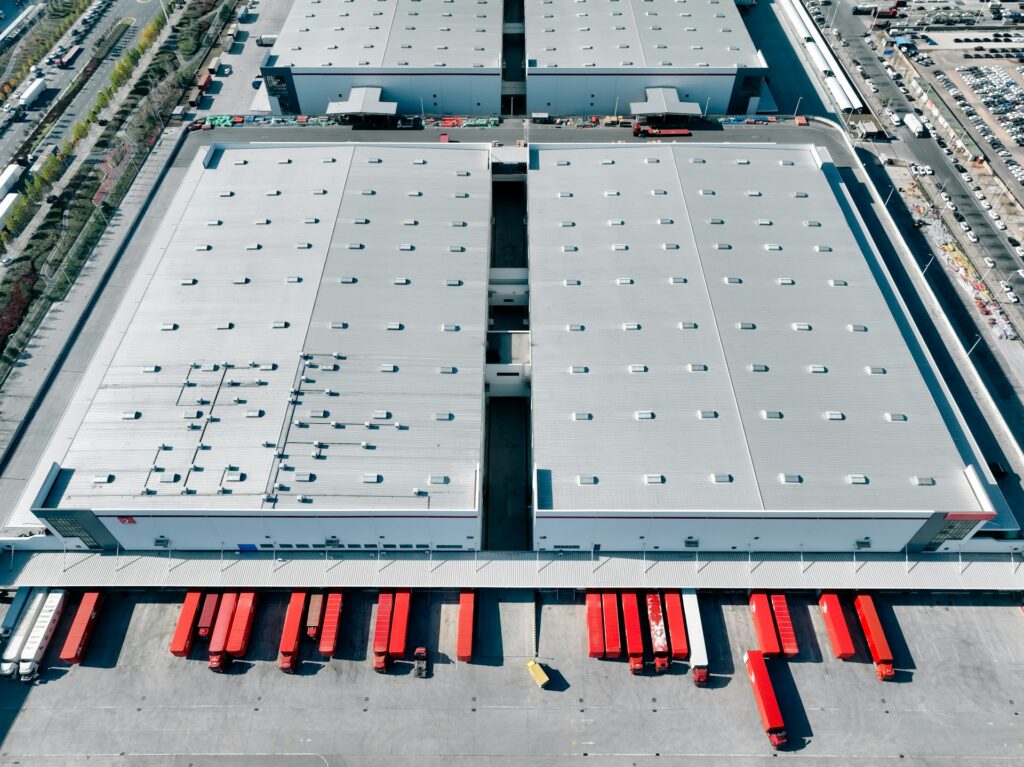
Cut Summer Warehouse Costs with Cooler Roofs
Cooling large distribution centers in the Midwest is not easy. Big open spaces, high ceilings, dock doors that never seem to close, and long hot days can all push energy use up and make staff uncomfortable. On top of that, roof maintenance and repairs keep getting more expensive.
Cool roof systems for warehouses give owners and facility managers a practical way to fight that heat. These roof surfaces reflect more sunlight and release heat faster, so the building below stays cooler. That can mean lower cooling bills, less strain on HVAC equipment, and better working conditions on the floor.
At Pro Roofing & Solar, based in the Kansas City area, we work with logistics, e-commerce, and manufacturing teams across the Midwest to review older roofs and plan upgrades. Cool roofing is often one of the simplest steps to improve building performance without changing how you run your operation.
Why Midwest Distribution Centers Face Extreme Roof Stress
Midwest weather is tough on big roofs. You get hot, humid summers with strong sun, sudden storms, hail, and high winds. Winters can bring heavy snow, ice, and freeze-thaw cycles that repeatedly expand and contract the roof surface.
On large, low-slope warehouse roofs, this creates several problems:
- Dark or worn roof surfaces soak up heat
- Standing water after storms can find weak seams and penetrations
- Temperature swings stress membranes, fasteners, and flashings
- Small issues can turn into leaks before anyone notices
Those flat, wide roofs act like giant heat sponges. They absorb sunlight all day, then radiate that heat down into the building. The results are common: rising interior temperatures, AC units that never get a break, and areas on the floor that feel 10 to 20 degrees hotter than the office space.
For distribution centers, that roof stress becomes business risk:
- Product damage if temps climb too high in storage zones
- Employee safety concerns, from heat stress to slippery floors when condensation forms
- Unplanned downtime when emergency repairs force you to block off aisles or dock doors
- Trouble staying on top of tight shipping windows when parts of the building are too hot or under repair
A roof that is just “good enough” can quietly eat into productivity and reliability every summer.
How Cool Roof Systems for Warehouses Actually Work
Cool roof systems for warehouses are designed to reflect more sunlight and get rid of stored heat faster than standard roofs. Instead of letting the sun superheat the top of your building, these roofs bounce much of that energy back into the sky.
Two key ideas explain how they work:
- High reflectance: The surface reflects a larger share of incoming sunlight
- High emittance: The material releases heat quickly instead of holding onto it
There are several common cool roof options for commercial and industrial buildings:
- Reflective single-ply membranes, such as white TPO or PVC, installed as a full roof system on low-slope roofs
- White elastomeric roof coatings that go over some existing roofs to renew and brighten the surface
- Metal roofs with light-colored or special high-SRI finishes for higher reflectivity
- Hybrid systems that combine a reflective membrane with added insulation or cover boards
Facility managers should pay attention to a few performance terms:
- Solar Reflectance Index (SRI): Combines reflectance and emittance into a single number, higher is cooler
- Emissivity: How well a surface gives off heat
- Program or code requirements: Certain programs or local codes may specify minimum reflectance or SRI values
On a hot sunny day, a high-SRI cool roof can run much cooler at the surface than a dark, aged roof. That lower rooftop temperature limits heat gain into the building and often helps the interior stay closer to your target setpoints.
Lower Energy Bills and Protect Inventory in Peak Heat
From late spring through early fall, Midwest distribution centers see long stretches of heat and humidity. During these months, every degree of reduced heat gain at the roof can help reduce cooling loads.
Cool roofs support lower operating costs in several ways:
- Reduced AC runtime because less heat is entering from above
- Fewer hot spots in mezzanines and top racks that are closest to the roof
- Less stress on aging HVAC systems, which can delay equipment replacement
The benefits go beyond the energy bill. Cooler, more stable interior temperatures help protect:
- Temperature-sensitive inventory like electronics, certain food products, and packaging materials
- Building systems such as conveyors, control panels, and battery-powered equipment that do not like excess heat
- Rack labels, shrink wrap, and adhesives that can fail faster in extreme conditions
Your people feel the difference too. When pickers, packers, and dock crews work under a cooler roof, they can focus on the job instead of fighting the heat. That can support:
- Better comfort and safety in busy zones
- More consistent pace and fewer slowdowns during hot afternoons
- Easier compliance with workplace guidelines around temperature and air quality
In short, a cooler roof can help your building, your inventory, and your team all perform closer to their best during the toughest months.
ROI, Incentives, and Long-Term Asset Value
When facility or asset managers look at cool roof systems for warehouses, the first question is often about payback. While exact savings depend on each building, most owners see several types of returns over the life of the roof.
Potential financial benefits include:
- Energy savings from reduced cooling needs
- Lower maintenance costs if the new system better handles storms and temperature swings
- Fewer emergency leak repairs and related business interruptions
- Longer service life when the roof is designed and installed correctly
In some areas, incentives can improve the financial picture. There may be:
- Federal tax provisions for energy-efficient improvements
- Utility rebates for high-reflectance commercial roofs or roofs that are solar-ready
- Local or state programs that reward better building performance
Cool roofing can also support larger business goals. A reflective, durable roof can:
- Increase property appeal for logistics tenants who care about energy and comfort
- Support ESG and sustainability reporting by reducing energy use and related emissions
- Make it easier to add solar in the future, since many cool roof systems pair well with rooftop arrays
Thinking about the roof as a long-term asset, not just a repair item, helps reveal the full value.
Planning a Cool Roof Upgrade with a Midwest Specialist
A successful cool roof upgrade starts with a clear plan. For most distribution centers, the process usually includes:
- Roof inspection to check the deck, membrane, seams, penetrations, and flashing
- Review of existing insulation levels and conditions
- Check of drainage, ponding areas, and rooftop equipment layout
- Discussion of building use, expansion plans, and any known hot or problem zones
From there, you can compare cool roof options and match them to your goals. For example, a facility with frequent foot traffic on the roof may need a more durable membrane and walkway pads. A building that plans to add rooftop solar may need a specific system that works well with mounting hardware.
Working with a contractor that understands Midwest weather patterns and local codes is important. Roof systems that perform well in mild climates might not stand up to hail, snow, and rapid temperature swings here. As a Kansas City-based exterior contractor, Pro Roofing & Solar focuses on systems that are suited to this region and the demands of large distribution centers.
A cool roof project can also be a good time to plan other improvements, such as:
- Designing a solar-ready roof layout
- Reviewing structural capacity for future solar arrays
- Coordinating with EV charger plans so electrical infrastructure upgrades work together
Good planning helps limit disruption to operations, keeps dock and yard activity moving, and allows work to be phased if needed so you can stay on top of shipping schedules.
Take the Next Step Before Summer Heat Arrives
Cool roof systems for warehouses are a straightforward way to lower heat gain, protect your inventory, and give your team a more comfortable workplace. When you tackle roof performance before the hottest days arrive, you give your HVAC systems and your people a better chance to keep up with demand.
At Pro Roofing & Solar, we help Midwest distribution centers evaluate roof conditions, compare cool roof options, and plan upgrades that fit long-term facility goals. By looking at energy performance, roof life, and future solar or EV plans together, you can turn the roof from a constant source of stress into a stronger part of your operation.
Get Started With Your Project Today
If you are ready to cut energy costs and stabilize interior temperatures, our team can design and install cool roof systems for warehouses tailored to your building and budget. At Pro Roofing & Solar, we start with a detailed assessment so you know exactly what to expect from your upgrade. We handle everything from planning to final inspection so your operations experience minimal disruption. Have questions or need a quote soon? Simply contact us to schedule a consultation.