
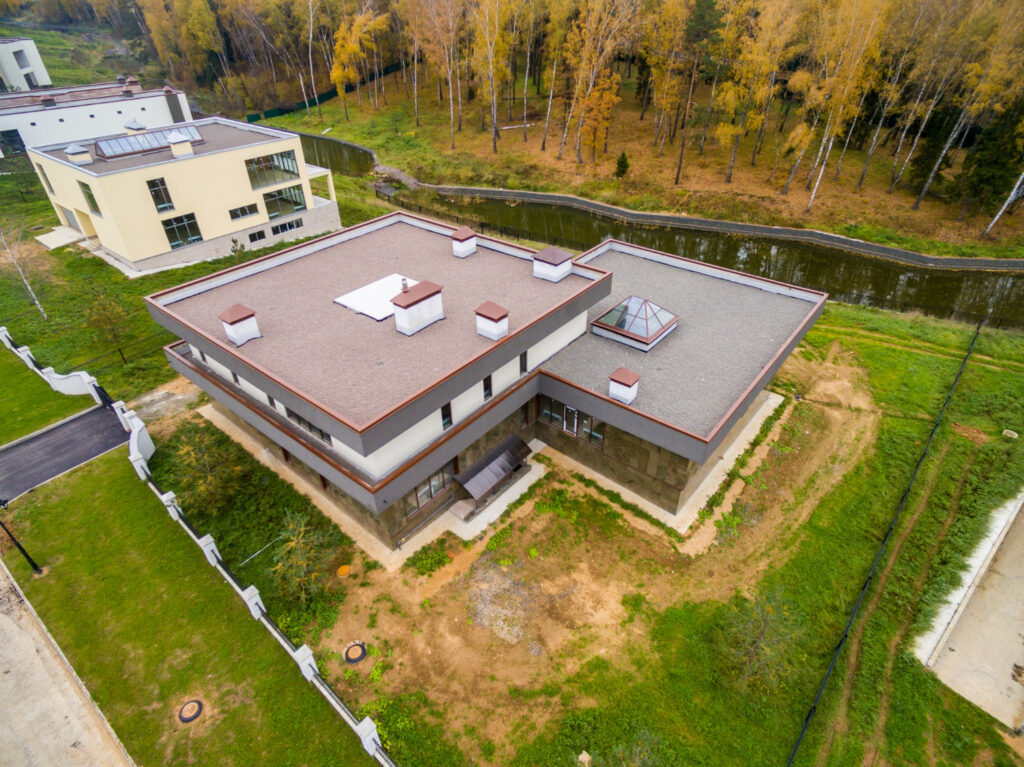
When Flat Roof Ponding Quietly Turns Into Liability
Ponding water on a flat roof looks harmless at first. It is just a shallow puddle that lingers after rain or snow. But when that same water keeps coming back, sitting for days, and freezing and thawing through late winter, it quietly turns from a small maintenance headache into a serious commercial liability.
For building owners and property managers, that puddle can lead to leaks, slip-and-fall accidents, damaged tenant property, and long arguments with insurance. In the Midwest, where we deal with temperature swings, snow, and heavy rain, flat roof ponding water solutions are not just about looks. They are about protecting cash flow, keeping tenants happy, and avoiding late-night emergency roof calls.
Why Ponding Water Is More Than an Eyesore
On a commercial flat or low-slope roof, ponding water is usually defined as water that stays put for more than 48 hours after rain or snowmelt. These roofs are common on warehouses, offices, retail centers, and industrial buildings across the Kansas City area and the Midwest. They are designed to drain slowly, but not to hold water like a swimming pool.
Flat roofs in our climate are especially at risk because of:
- Heavy snow that melts during warm spells
- Freeze-thaw cycles that open up small cracks
- Wind-blown debris that clogs drains and scuppers
- Old or poorly designed slopes that let water sit in low spots
When water stays in one place, it starts to break things down. Over time, you can see:
- Membrane deterioration from standing water and UV exposure
- Seam failure where sheets come apart
- Deck sagging as moisture soaks into the materials
- Added weight from water turning to ice and wet snow
- Faster aging of the whole roof system
That damage does not stay on the surface. Once water finds a path inside, it can:
- Soak and ruin insulation, lowering energy efficiency
- Stain ceilings and walls, especially over offices or retail areas
- Feed mold growth inside wall cavities and above ceilings
- Create musty odors and indoor air quality complaints
- Lead to code or health violations if moisture and mold spread
At that point, you are not just looking at a roof problem. You are dealing with interior repairs, possible health concerns, and sections of your building that might have to be closed while work is done.
Hidden Liability Risks Owners Often Overlook
Many owners see ponding water as ugly but not urgent. The bigger risk is what happens when that water finally shows up inside the building, and how that looks from a legal and insurance point of view.
From a liability angle, recurring roof leaks can be tied to:
- Damaged tenant equipment, inventory, or finishes
- Unsafe interior conditions, like wet floors and ceiling tiles
- Slip-and-fall incidents in entryways or hallways
- Electrical hazards near lights and panels if water intrudes
If you have a pattern of leaks and there is clear evidence of long-term ponding, it can be harder to argue that you did everything you reasonably could to prevent damage. Insurance companies often review:
- Roof inspection history and maintenance logs
- Photos or notes about known ponding areas
- Records of prior repairs around the same spots
- Obvious drainage problems that were never corrected
When they see years of the same issue with no real fix, they may limit coverage or push back on claims, saying that the problem was neglect, not sudden damage.
There is also the reputational side. Tenants talk. If they are dealing with buckets in the hallway, stained ceiling tiles above their workspace, or wet carpet in a retail showroom, they start to question how well the building is managed. That can lead to:
- Difficulty renewing good tenants
- Tougher lease negotiations
- More pressure for rent concessions or extra repairs
So that small puddle on the roof can create a long chain of problems that hit your bottom line and your ability to keep quality tenants in place.
Flat Roof Ponding Water Solutions That Actually Work
The good news is that ponding water can be fixed. It takes planning, the right materials, and a professional eye, but it does not always mean a full roof tear-off.
Some of the most effective long-term solutions include:
- Adding tapered insulation to build slope into low spots
- Reworking roof slopes so water naturally flows to drains
- Installing or enlarging drains and scuppers
- Adding crickets to divert water away from curbs, HVAC units, and walls
These changes help move water off the roof faster so it does not have time to pool and break things down. On top of slope and drainage improvements, surface-level upgrades can give extra protection:
- High-quality commercial roof coatings that create a more waterproof surface
- Reinforced membranes in known ponding areas
- Strategic repairs around seams, penetrations, and flashing
The key is to start with a thorough inspection from a commercial roofing specialist who understands flat roof systems and local building codes. A professional assessment can map out where water collects, how the roof structure is performing, and which flat roof ponding water solutions are best for your specific building and roof type.
Seasonal Strategies for Late Winter and Early Spring
Late winter into early spring is a tough time for flat roofs in the Midwest. Snow melts during the day, then refreezes at night. Rain falls on frozen surfaces. Existing ponding problems often get worse, and sometimes they are harder to see until the water finally finds a path inside.
During this period, it helps to follow a simple routine:
- Have post-storm inspections done, especially after heavy snow or rain
- Make sure drains, scuppers, and gutters are cleared of leaves and debris
- Document any interior leaks with photos and notes
- Watch for sagging areas, soft spots, or unusual ponding patterns
Catching these issues now means you can plan smart repairs before the stronger spring storms and hail seasons hit. Late winter is also a good time to start planning a roof and drainage upgrade schedule. That way, you are not trying to arrange major work in the middle of the busiest rain weeks when every contractor is slammed with emergency calls.
Flat roof ponding water solutions often work best when they are part of a seasonal maintenance plan. Regular inspections, small repairs, and timely drainage improvements keep your roof ready for whatever the next front brings across the plains.
Protecting Your Commercial Roof Before the Next Storm
Treating ponding water early almost always costs less than fixing structural damage, replacing soaked insulation, handling tenant claims, or dealing with health and code issues later. When you look at the full picture, those shallow puddles on your flat roof are warning signs, not background noise.
At Pro Roofing & Solar, we work with commercial property owners and managers across the Kansas City area and the Midwest to spot these risks before they turn into emergencies. By focusing on drainage, slope, and durable roof systems, we help extend roof life and cut down on avoidable interior damage and downtime.
The most effective next step is simple: take ponding seriously. Keep track of recurring problem areas, review your past roof repairs and maintenance notes, and make sure your next roof inspection includes a clear plan for long-term flat roof ponding water solutions. Over time, that focus can protect your building, your tenants, and your peace of mind every time the forecast calls for snow, rain, or both.
Protect Your Building With Proven Flat Roof Solutions
If standing water is putting your roof and business at risk, we can help you stop the damage before it spreads. At Pro Roofing & Solar, we design and install long-lasting Flat roof ponding water solutions tailored to your building and budget. Let us inspect your roof, identify the root causes, and provide clear, practical options to fix them. If you are ready to schedule an inspection or have questions about your roof, contact us today.