
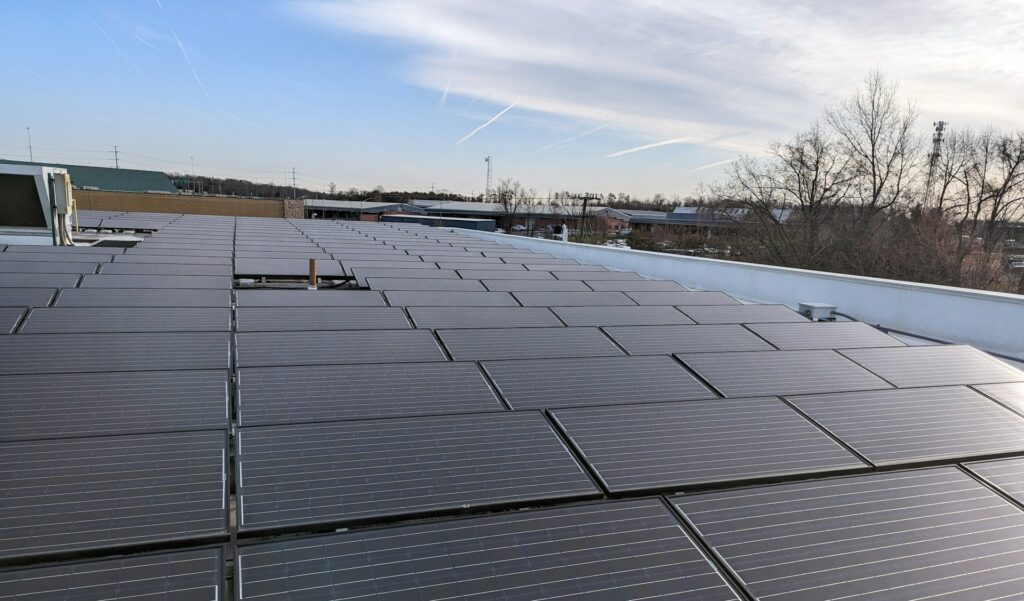
Protect Your Building Before Adding Rooftop Loads
Adding new rooftop HVAC units, solar arrays, or screen walls is a big upgrade for any commercial building. Before anything sits on your roof, the first question has to be: can the structure safely carry the extra load? If the answer is “we are not sure,” it is time to hit pause.
Skipping structural checks is risky. Extra weight in the wrong place can lead to overloaded joists, sagging decks, and damage to the roof membrane. That can snowball into leaks, ponding water, interior cracks, and in extreme cases, structural distress. Insurance carriers and code officials also expect proof that your roof was reviewed before large rooftop equipment goes in.
At Pro Roofing & Solar, we work on commercial roofs across Kansas City and the Midwest. We see how much smoother projects go when roofing, structure, and trades like HVAC and solar are planned together. This guide walks through how to verify roof structural capacity before you add new rooftop loads, so your project stays safe, dry, and compliant.
Know Your Existing Roof Structure and Design Limits
The first step is understanding what kind of structure you have. Different building types around Kansas City use different systems, and they behave in different ways under load.
Common commercial roof structures include:
- Steel bar joists with metal deck
- Structural steel beams and girders with metal deck
- Precast concrete panels or tees
- Wood trusses or joists in older or light commercial buildings
Each system has its own limits, and the original engineer sized it for certain design loads. You will hear a few key terms during this review:
- Dead load, the permanent weight of the structure and roof layers
- Live load, temporary loads like people or small movable items
- Snow load, weight from snow and drifts, which is important in our region
- Wind uplift, the lifting force of wind trying to pull the roof up
- Equipment loads, the concentrated weight from RTUs, solar arrays, and curbs
One catch is that building codes change over time. A roof built decades ago may have been designed to older standards. That does not mean it is unsafe, but it does mean an engineer needs to check what extra load it can still accept.
To prepare for that review, building owners and managers should collect:
- Original structural drawings, framing plans, and specifications if available
- Past re-roof documentation, including any added layers or tapered insulation
- Records from tenant improvements that added or moved rooftop units
The more history you can pull together, the easier it is for an engineer to judge what your roof was meant to support and what has changed since it was built.
How Engineers Perform Roof Load Calculations
Once the structure type and background are known, engineers begin the detailed load calculation work. They usually start with a site visit to confirm what is on paper.
This field review often includes:
- Measuring joist or beam sizes and spacing
- Checking metal deck gauge or concrete thickness
- Verifying welds, connections, and bracing
- Tracing load paths from equipment locations down to columns and foundations
With that information, the engineer builds a picture of how loads travel through the building. Then they look at the new rooftop equipment you want to add. For an HVAC unit or solar array, they will factor in:
- Equipment weight, including fans, coils, and cabinets
- Rails, racks, curbs, sleepers, and flashing supports
- Ballast for solar systems, if used
- Expected snow drifts around units or parapets
- Maintenance access loads in areas where people will walk more often
For commercial roofing solutions in Kansas City, local snow and wind data matter a lot. Engineers use code requirements from the International Building Code, along with any local amendments, to set the design conditions. Rooftop geometry also comes into play, because higher parapets and big equipment clusters can increase snow drifting and wind effects. The goal is to confirm that, under all these combined loads, the roof members remain within safe limits.
Checking Roof Deflection and Ponding Risk
Even if the structure can carry the weight without failing, too much bending or sagging can still be a problem. That bending is called deflection. A roof that deflects too much can crack finishes, mess with doors and windows, and create low spots that hold water.
Engineers check deflection limits for joists, beams, and deck. They compare expected deflection under design loads to accepted limits. During the site visit, they also look for warning signs that the roof is already stressed, such as:
- Noticeable sags between joists or along beams
- Existing ponding areas where water sits after a rain
- Soft spots in the deck, blistered membrane, or past repairs
- Multiple roof overlays that added more dead load over time
In the Kansas City area, freeze-thaw cycles and strong spring storms can make ponding much worse. Water that sits in low spots can freeze, expand, and break down the roof surface. Over time, that can speed up leaks and even add more weight if water remains trapped. If overloaded joists keep sagging, ponding can grow, which then adds even more water weight. That feedback loop is exactly what engineers want to avoid.
Sometimes the solution is to relocate equipment over stronger framing lines, add reinforcement, or improve drainage with new tapered insulation or extra drains. Combining structural checks with roofing design keeps these fixes aligned.
Documentation, Permits, and Coordination with Trades
Once the calculations and checks are done, the results need to be documented in a clear package. This record protects you as the owner and helps future teams understand what was approved.
A solid documentation set usually includes:
- A stamped structural letter or report stating the findings and limits
- Load calculation summaries, including assumptions and equipment weights
- Roof framing diagrams that show approved equipment locations and supports
- As-built photos of framing, penetrations, and major units after installation
Local building departments often require permits for new rooftop units, solar arrays, or major screen walls. When you have a clear structural report and drawings, plan review tends to go more smoothly. Inspectors can see what was checked and what they should look for during site visits.
Good coordination between trades is just as important. Structural engineers, roofers, HVAC contractors, and solar installers all touch the same roof. If they do not coordinate, you can end up with units sitting over weak spots, penetrations in the wrong places, or roofing details that do not match the actual support. Integrated commercial roofing solutions in Kansas City help avoid those conflicts and keep projects code-compliant from first sketch to final inspection.
Smart Steps to Safely Add Rooftop Units or Solar
If you are planning to add rooftop HVAC, solar, or other equipment, a simple, smart process can lower risk and stress.
Key steps include:
- Start with a roof and structure assessment before ordering equipment
- Engage a licensed structural engineer familiar with commercial roofs
- Share accurate equipment weights, layouts, and future expansion ideas
- Place units over stronger framing lines when possible, not in random open bays
- Plan for future additions, so the roof is not maxed out by the first upgrade
Timing also matters. Many owners plan roof and structural reviews before the main storm and hail seasons. That reduces the chance of mixing emergency leak repairs with large upgrade work, and it keeps your building more available for tenants and operations.
By taking a careful, step-by-step approach to load calculations, deflection checks, and documentation, you protect your investment and extend the life of your roof system. A well-planned project keeps your structure safe, your roof dry, and your new rooftop units or solar working the way they should for years to come.
Get Started With Your Project Today
If your business is ready for a long-term roofing solution, we are here to help you plan the right system and timeline. Explore our commercial roofing solutions in Kansas City to see how Pro Roofing & Solar can support your property’s needs. Reach out to contact us and schedule a consultation so we can assess your roof and provide a clear, detailed proposal.