
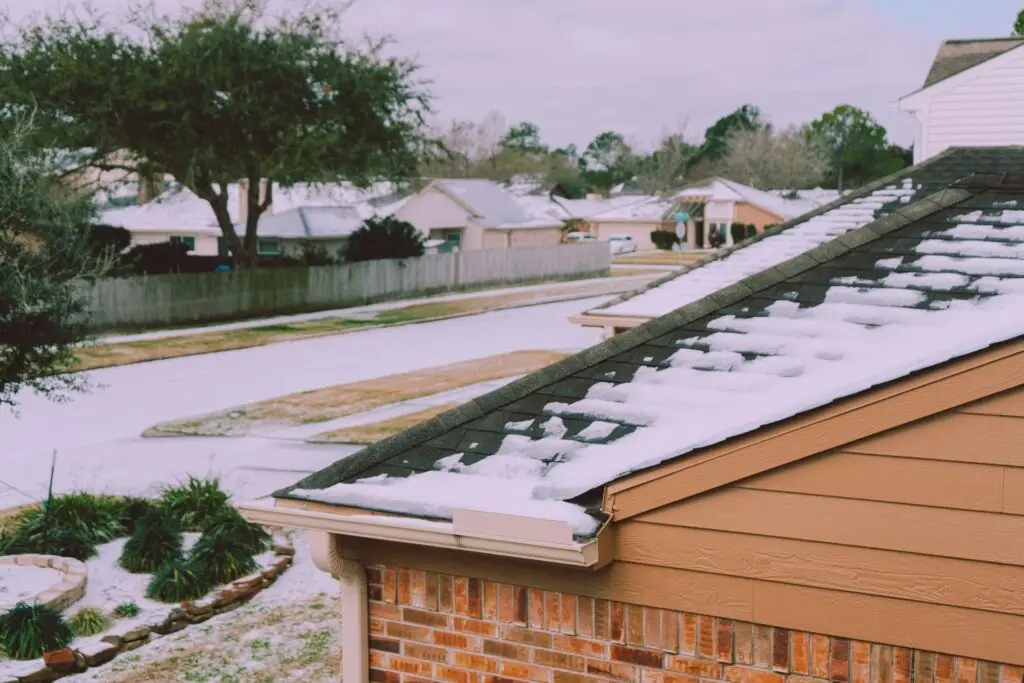
Protecting Your Commercial Roof Before Spring Storms
Kansas City weather likes to keep business owners on their toes. One week it feels like spring, the next week icy wind and snow roll back in. Those quick shifts in late winter and early spring are exactly what make this time of year so hard on commercial roofs, especially after hail.
February is a smart time to get ahead of it. Snow is starting to melt, storms are on the horizon, and small roof problems from earlier hail can start to show themselves. When that damage goes unnoticed, it can shorten the life of your roof, interrupt daily operations, and create bigger repair bills down the road.
A professional commercial roof hail damage inspection is not just another line item on a maintenance list. It is a strategic way to protect your building, your tenants, and your long-term budget. Instead of reacting to leaks and interior damage, you are choosing to spot trouble early and plan your next steps.
As a local exterior contractor based in the Kansas City area, we pay close attention to Midwest storm patterns and how they affect different roof systems. We also understand what many regional insurance carriers look for when it comes to proof of hail damage and roof condition, which helps building owners stay better prepared.
How Hail Quietly Damages Commercial Roofs
Hail does not have to be huge to cause trouble on a commercial roof. Different roofing systems respond in different ways, and much of the damage happens where you cannot see it from the ground.
On flat and low-slope commercial roofs, you might see:
- TPO and PVC: surface scuffs, small punctures, or bruised spots that weaken the membrane
- EPDM: cuts, tears, or stretch marks where hailstones hit and bounce
- Modified bitumen and built-up roofs: granule loss, surface cracking, and soft spots around impacts
Metal roofing looks tough, and in many ways it is, but hail can still cause:
- Dents that trap water or snow
- Finish damage that exposes bare metal to rust over time
- Loose fasteners and stressed seams around impact areas
The problem is that most of this is not visible from the parking lot. A roof can look fine from the street, and you may not notice any leaks for months. That calm after the storm can give a false sense of security, even when the roof has been weakened.
Hail damage usually gets worse in stages:
1. Impact weakens the membrane or finish, even if there is no leak yet.
2. Seams, flashings, and fasteners start to separate as the roof moves with heat and cold.
3. Water finds its way into insulation, roof decking, and then the building interior.
By the time water stains appear on ceiling tiles, the damage inside the roof system is often far more serious than it looks on the surface.
Why Timely Inspections Matter in Kansas City’s Climate
Kansas City’s constant freeze-thaw cycles are tough on any damaged roof area. During cold nights, trapped moisture around hail impacts can freeze and expand. When it warms up, it melts and moves into any tiny opening it can find. This repeat motion stretches small flaws into bigger ones.
Then heavy spring rains arrive. Any weak spots from hail, even those that seemed harmless a few weeks before, can become paths for water. Once moisture gets into insulation, it can stay trapped, adding weight to the roof and breaking down materials from the inside.
High summer heat adds another layer of stress. Roof surfaces expand in direct sun, then cool at night. Membranes stretch and contract, and any area that was already bruised or punctured by hail is more likely to crack or split completely.
Getting a commercial roof hail damage inspection before peak storm season gives you a clear baseline of your roof’s condition. That way you can:
- Address small issues before they grow
- Plan maintenance work on your schedule, not the weather’s
- Have organized documentation if you need to discuss a claim later
That early snapshot of roof health is one of the best protections you can have against the chain reaction that Kansas City weather can set off.
What to Expect From a Professional Hail Damage Inspection
A good commercial roof hail damage inspection is careful, methodical, and focused on the details that matter for both performance and documentation.
Here is what the process usually includes:
- Initial conversation about the building, age of the roof, and recent storms in your area
- Safe roof access and a slow, thorough walk of the entire roof surface
- Close inspection of seams, flashings, penetrations, and rooftop equipment
- Review of drainage paths, gutters, and downspouts
During the on-roof assessment, we look for signs such as:
- Membrane bruising, punctures, cuts, or blisters
- Separation at seams, curbs, parapet walls, and around vents
- Impact marks on metal surfaces, rooftop units, and pipe supports
- Areas of ponding water that can make hail damage worse
- Granule loss or surface wear that exposes underlying layers
Documentation is a big part of the value. A professional inspection should include:
- Clear photos of each area of concern
- Marked roof layouts that show where damage is located
- Written notes explaining what was found and why it matters
This kind of report helps you make informed decisions about repair, maintenance, and long-term planning. It can also support conversations around warranties and future work that may be needed.
Insurance, Warranties, and Protecting Your Investment
After a hail event, time is not on your side when it comes to insurance. Many carriers expect prompt notice of possible damage, along with reasonable steps to prevent further harm. Without a timely inspection, it is hard to prove when the damage happened or how bad it was at the start.
A documented commercial roof hail damage inspection gives building owners and property managers:
- Dated photos that tie damage to specific storms
- Professional observations written in clear language
- A record that the roof was checked and maintained
Manufacturer warranties often expect regular upkeep as well. If hail damage is ignored, and later leads to leaks or system failure, that lack of maintenance can work against you in warranty discussions. Addressing damage when it is first identified shows that you are taking care of the roof as required.
For many owners, this inspection becomes a key piece in planning the future of the building. It helps answer questions like:
- Can this roof be repaired, or should we start planning for replacement?
- Is the damage localized or spread across the whole system?
- What work should be prioritized first to reduce risk?
That kind of clarity keeps surprises to a minimum and helps protect one of the largest assets on your property: the roof.
Take Control of Roof Health Before Storm Season Hits
Late winter is a smart window of time for Kansas City building owners, property managers, and facility leaders to think about roof health. Snow and ice are starting to fade, and spring storms have not fully arrived yet. That gap gives you room to act instead of react.
Setting up a steady plan can make all the difference. Many owners choose to:
- Schedule a commercial roof hail damage inspection before spring storms
- Add quick post-storm checks after major hail or heavy wind
- Build an annual roof assessment routine into their maintenance program
- Use inspection reports to guide long-term capital planning
At Pro Roofing & Solar, we work across the Midwest on commercial and residential exteriors, so we see firsthand how our weather shapes the life of a roof. A thoughtful inspection strategy, backed by clear documentation, is one of the simplest ways to protect your buildings, your tenants, and your peace of mind as storm season approaches.
Get Started With Your Project Today
If your commercial building has been through a recent storm, now is the time to schedule a thorough commercial roof hail damage inspection. At Pro Roofing & Solar, we carefully assess your roof, document our findings, and explain your repair or replacement options in clear terms. Protect your investment and avoid costly downtime by addressing potential issues early. Have questions or need to book an appointment fast? Simply contact us and we will help you take the next step.