
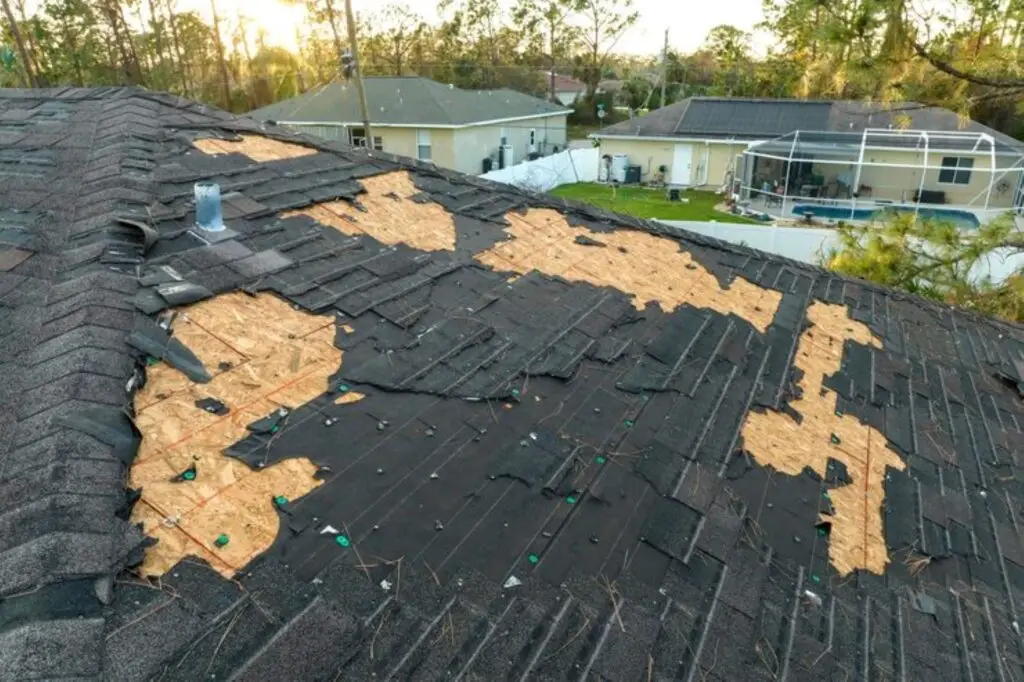
ACT Fast After Spring Storms to Protect Your Roof
Spring storms around Kansas City can be rough. Hail, high winds, and driving rain can hit fast and hard. Even if your roof looks mostly fine afterward, small damaged areas can quickly turn into leaks, soaked insulation, and even mold if they are left open to the weather.
The first 24 to 72 hours after a storm matter a lot for both homes and commercial buildings. In that window, you are trying to keep people safe, document damage for insurance, and stop problems from spreading into walls, ceilings, and flooring. Your choices in those early hours affect what type of storm damage roof repair you need and how big the final project becomes.
Most property owners have three basic paths after a storm: targeted repair, temporary stabilization, or full replacement. Timing affects which option makes sense and how much risk and cost you are taking on with each one. As a local Kansas City area roofer and exterior contractor, we see this pattern play out every storm season, and we want you to be ready before the next system rolls through.
What to Check in the First 24 Hours After a Storm
The first day is about two things: safety and information. You do not need to climb on the roof. In fact, you should not, especially if it is wet, steep, or you see loose material.
Stay on the ground and take a careful look around. A simple pair of binoculars can help a lot. Walk the property slowly and check:
- Missing shingles or obvious bare spots
- Shingles with lifted edges or corners that look curled or out of place
- Exposed underlayment, felt, or wood
- Dented or bent gutters and downspouts
- Large piles of granules at the bottom of downspouts
- Water stains on ceilings or high on interior walls
Even a small opening in the roof surface can let wind-driven rain push water under shingles. Once water gets under the surface, it can soak the sheathing, insulation, and attic framing. If another round of storms arrives while your roof is open, the odds of an active leak go up with each passing hour.
Calling a qualified roofer within that first 24-hour window helps you in several ways. They can do a safer, closer inspection, and they can document what they find with photos and notes. That record often lines up better with what insurance adjusters want to see. Quick attention also makes it more likely that a smaller, focused storm damage roof repair will be enough instead of needing a larger project later.
Temporary Stabilization vs. Immediate Repair in 48 Hours
Once you pass the first day, you move into a decision zone. The roof needs at least some kind of response, even if weather or access keeps you from doing full repairs right away.
Temporary stabilization usually means things like:
- Emergency tarping over damaged slopes or holes
- Sealing exposed fasteners, nail heads, and small gaps
- Securing loose shingles or ridge caps so they do not blow off
- Clearing large, loose debris that could tear the roof in the next wind
Sometimes, a fast permanent repair is the better move in that 24 to 48-hour window. For example, if damage is limited to a small area of missing shingles, a short section of flashing, or a few pieces around a vent, a trained crew can fix it quickly and restore full protection.
On the other hand, temporary stabilization is smarter when:
- Multiple slopes look affected and need a full, dry inspection
- The roof surface is still slick, iced, or unsafe for detailed work
- There are signs of wider hail impact, but not all of it is obvious yet
- You are waiting on an adjuster visit and need to prevent more damage
The 48-hour mark is important because this is when leaks start to show up not just as drips in a bucket, but as damage to interior drywall, flooring, and even electrical components. Each extra day without at least stopgap measures can increase how far water travels inside walls and ceilings. It can also affect how your insurance handles what is called secondary damage, which is damage that happens because the original problem was not addressed quickly.
When Full Roof Replacement Makes Sense by 72 Hours
By the time you reach 72 hours after a major storm, you should have more information and a clearer plan. Some Kansas City storms are mild, but others leave behind hail bruises across entire slopes, widespread granule loss, or damage that affects multiple roof sections.
Full replacement often makes sense when you see:
- Hail strikes across large areas of the roof, not just a few spots
- Granules worn away so the backing of the shingle shows through Soft spots or sagging that suggest decking damage
- An older roof that was already near the end of its service life
At this stage, it is less about patching and more about long-term value. A complete project lets you document all damage in one package for insurance, including code-required upgrades that might apply to your property. It also gives you the chance to think bigger than just stopping leaks.
A replacement can allow you to pick more energy-efficient roofing materials, consider integrated solar, improve attic ventilation, and choose better underlayments that handle future storms more effectively. While it may feel like a bigger step, many owners find that one well-timed replacement can prevent years of chasing leaks, repeated claims, and constant worry every time thunder shows up in the forecast.
Smart Timing Decisions for Homes and Businesses
Homes and commercial properties share the same sky, but the timing pressures can be a little different. At home, your main concern is keeping your family safe and protecting personal belongings. For businesses, you are also thinking about inventory, equipment, customer areas, and tenants.
Residential owners often lean toward:
- Fast checks for attic leaks and ceiling stains
- Temporary tarping over bedrooms and living areas
- Targeted repairs where shingles or flashing are clearly missing
Commercial and multi-family properties might need:
- Larger tarped areas to cover flat or low-slope roofs
- Extra focus on drainage, scuppers, and rooftop equipment
- More detailed documentation for owners, tenants, and insurers
The type of roofing system matters a lot too. Asphalt shingle roofs often show missing pieces and lifted edges. Flat or low-slope membranes may show punctures, seams opening, or ponding water. Metal roofs might show denting, fastener issues, or damaged flashing at transitions. Each system has different weak points and different signs that tilt the choice toward stabilization, repair, or replacement.
A professional inspection report within the first 72 hours gives you something solid to work from. That report may include moisture readings, photos, and clear notes about whether the damage is isolated or widespread. With that in hand, conversations with insurance adjusters, partners, and other decision-makers tend to go more smoothly.
Take Control of Storm Damage Decisions This Spring
Spring storms are a fact of life in our area, but feeling lost after one hits does not have to be. In the first 24 hours, focus on safe visual checks, watching for leaks, and calling a professional to look closer. By 48 hours, you should be making a clear choice between temporary stabilization and immediate repair to keep water out of your home or building. By 72 hours, the bigger question of repair versus full replacement should be coming into focus.
A little planning before storm season can make those decisions much less stressful. Review your insurance details so you know what is covered. Have older roofs inspected so you are not surprised by age-related issues on top of storm damage. Consider upgrades like impact-resistant shingles, improved gutters, and solar options that can lower energy use and help your property stand up better to the next round of hail and high winds.
At Pro Roofing & Solar, we work on residential and commercial roofs, solar, siding, gutters, windows, and more across the Kansas City area, and we see how much timing matters after every storm. With fast evaluations, clear written recommendations, and a focus on durability and energy efficiency, our goal is to help you make confident decisions in those first 24, 48, and 72 hours after the weather hits.
Get Started With Your Project Today
If a recent storm has left your roof compromised, we are ready to assess the damage and restore your home’s protection quickly and safely. Our team at Pro Roofing & Solar specializes in storm damage roof repair tailored to Kansas City homes and weather conditions. Reach out today so we can inspect your roof, explain your options, and provide a clear, written estimate. If you are ready to schedule service or have questions, please contact us.