
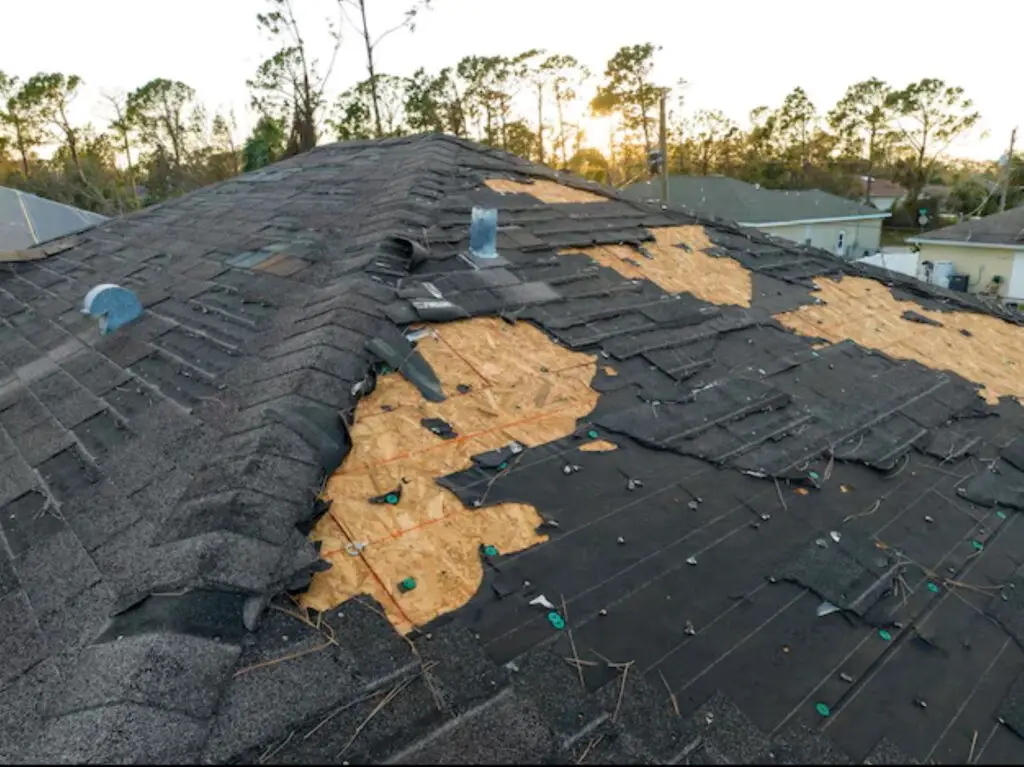
Stop Spring Storm Roof Damage Myths Before They Cost You
Spring storms in the Kansas City area can roll in fast, drop hail, drive heavy rain sideways, and move on just as quickly. The sky looks clear again, so it is easy to assume your roof came through fine. Months later, you notice a brown spot on the ceiling or a musty smell in a spare room, and that “quick storm” has turned into a big headache.
These problems often start small and stay hidden. That is why common myths about storm damage roof repair can be so costly. Our weather brings strong wind, hail, and heavy rain from roughly March through June, and those conditions are tough on both homes and commercial buildings. When owners trust myths instead of facts, they miss early warning signs and lose time that could have protected their property.
In this article, we clear up some of the biggest spring storm roof myths we hear from Kansas City owners. When you know what is true and what is not, you can act sooner, avoid bigger repairs, and keep your roof, siding, gutters, and windows working together to protect your building.
Myth: “If I Can’t See Damage, My Roof Is Fine”
One of the biggest mistakes is judging your roof from the driveway or parking lot. From the ground, shingles may look flat and even, but hail and wind can still cause real harm.
Here is what often happens during a storm that you cannot see from below:
- Hail can bruise shingles, crushing the layers underneath the surface
- Granules can loosen and wash into gutters and downspouts
- Flashing around chimneys, vents, and skylights can crack or pull away
- Sealant can break where different roof surfaces meet
At first, the roof might not leak at all. Water can work slowly into the decking, insulation, and framing. Weeks or months later, you may see:
- Ceiling stains or yellow rings
- Peeling paint or bubbling drywall
- Warped trim or soft spots around windows
- A musty smell or visible mold
By the time these signs show up indoors, the damage behind the scenes is often much larger. A professional storm damage roof repair inspection after major hail or wind gives you a close look at the whole system: shingles, flashing, vents, and more. It also helps you document what happened, which can be important if you need to file an insurance claim.
Myth: “My New Roof Can Handle Any Spring Storm”
A newer roof is definitely better than an old, worn-out one, but it is not a shield against every storm. Kansas City spring weather brings strong gusts and hail that can push even younger roofs past their limits.
Even with newer materials, a heavy storm can cause:
- Wind uplift that breaks the seal between shingles
- Hail impacts that bruise or crack shingles and impact zones on flat roofs
- Branches or flying debris that puncture roofing or damage flashing
Many owners also assume a manufacturer warranty means they never have to worry after a storm. In reality, most warranties expect you to care for the roof. That can include:
- Regular inspections, especially after large storms
- Keeping gutters clear so water can drain properly
- Fixing minor issues quickly so they do not spread
If small storm damage is ignored, it can shorten the life of a newer roof. Checking your roof after big spring systems move through helps keep it performing as it should and supports any warranty you may have.
Myth: “I’ll Wait Until It Leaks to Call a Roofer”
Waiting for a drip inside is one of the costliest myths of all. A roof is designed to shed water across many layers, so by the time water shows up in a room, it has already traveled through quite a bit of your structure.
When you wait for a leak, water has more time to reach:
- Roof decking, which can rot or sag
- Insulation, which can get soaked and lose its value
- Framing, which can weaken over time
- Interior finishes, like drywall, paint, and flooring
In spring, there are plenty of early warning signs that many Kansas City owners ignore because they seem minor:
- Missing or lifted shingles
- Dented gutters or downspouts from hail
- Piles of granules at the bottom of downspouts
- Loose or bent metal around chimneys or skylights
Catching issues at this stage is far better than waiting for a steady drip in your living room or office. Proactive storm damage roof repair and regular maintenance help your roof last longer and also protect connected systems like siding, gutters, and windows from water that runs where it should not.
Myth: “Insurance Will Automatically Cover Everything”
Many owners assume that if a storm hits, insurance will simply take care of whatever is needed. The reality is more complicated. Insurance companies usually have rules about when and how damage must be reported.
Common reasons storm claims get reduced or denied include:
- Waiting too long to report the damage
- Not having clear photos or written documentation
- Lacking proof that the roof was maintained
- Temporary fixes done in a way that makes damage worse
Insurers often want to see that you took the storm seriously and acted quickly. That is where a detailed inspection from a qualified roofing contractor becomes important. A thorough review with photos, notes, and a clear repair plan makes it easier to show what the storm did and what it will take to fix it.
A good roofing partner can:
- Inspect the full roof and exterior after a storm
- Identify both obvious and hidden storm-related issues
- Provide written findings and repair estimates that support your claim
This kind of support helps keep your claim focused on the real damage instead of guesswork.
Myth: “Any Roofer Can Handle Storm Damage”
After a strong spring storm in the Kansas City area, many owners notice a flood of door knockers and flyers from out-of-town crews. These “storm chasers” appear quickly and leave just as fast. Choosing the wrong contractor can lead to rushed work and no one to call if problems show up later.
Storm damage repair is different from a simple shingle swap. A proper storm-focused inspection looks at:
- How wind moved across the roof, including uplift zones
- Where hail hit hardest and how it affected different materials
- Local building codes and permit requirements
It also helps to have a team that understands the whole exterior. Roof problems can affect:
- Solar equipment mounted on the roof
- Gutters and downspouts that carry water away
- Siding and trim that take the brunt of wind-driven rain
- Decks and entry areas where water may pool
Working with a local, established contractor means you are dealing with people who know the weather patterns, typical storm paths, and local rules. It also means there is support down the road if you ever have questions about the work.
Protect Your Roof Before the Next Spring Storm Hits
Spring storms will always be part of life in and around Kansas City. What you can control is how prepared your roof and exterior are before the next system arrives. Instead of relying on a quick glance from the driveway, a professional post-storm inspection gives you real answers about the condition of your roof.
A simple spring routine can make a big difference:
- Have gutters and downspouts cleaned and checked
- Schedule regular roof checkups after major hail or wind
- Walk around your property to look for dented metal, missing shingles, or loose trim
- Keep records of inspections and repairs for future insurance needs
At Pro Roofing & Solar, we help residential and commercial owners in the Kansas City area understand what their roofs are facing each spring. When myths are replaced with clear facts, it becomes much easier to protect your building, plan smart repairs, and keep your roof ready for whatever the next storm brings.
Get Started With Your Project Today
If a recent storm has left your roof compromised, we are ready to help you restore it before small issues turn into expensive problems. Learn more about our storm damage roof repair services and how we can protect your home for the long term. At Pro Roofing & Solar, we inspect, repair, and replace damaged roofing with solutions tailored to your property and budget. Have questions or need prompt service now? Contact us to schedule your inspection.