
Maximize Your Roof Investment with Solar-Ready Design
Planning a roof project for a commercial building in the Kansas City area is a big decision. It affects your operations, your energy use, and your long-term budget. When you look at your next roof, it makes sense to ask a simple question: can this roof support solar in the future?
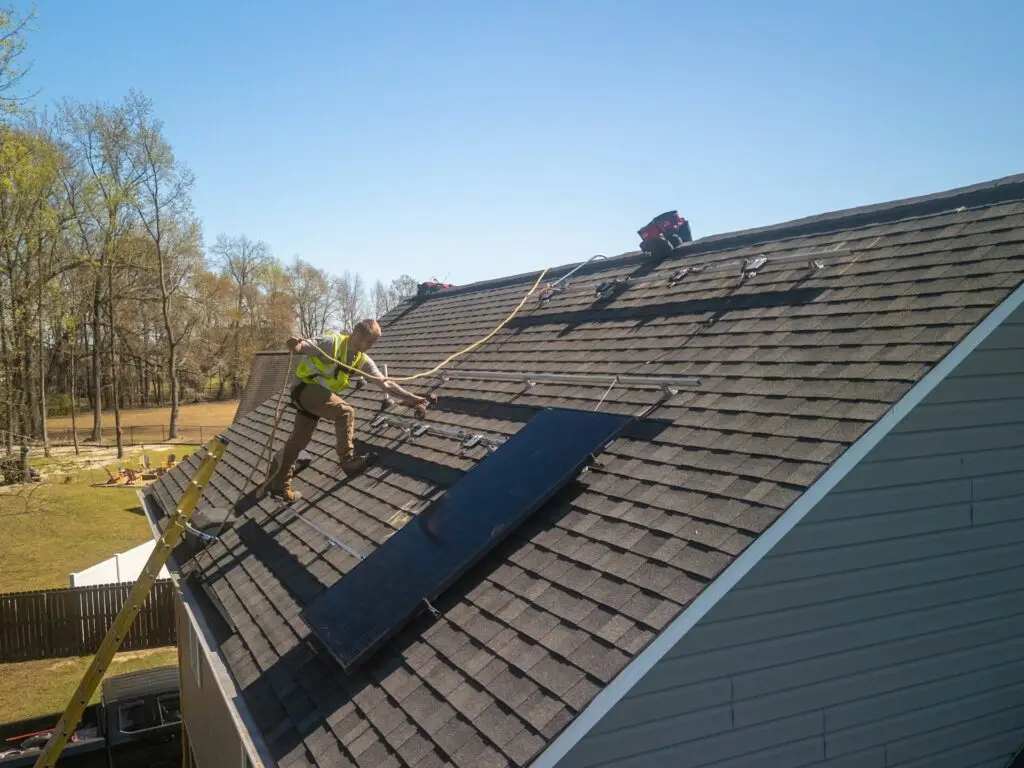
Solar-ready commercial roofing systems are built with that question in mind. Instead of treating the roof and solar as two separate projects, you plan the roof so it is ready for panels whenever the time is right. That means the structure, the membrane, and the layout are all designed so adding solar later is faster, cleaner, and less disruptive.
This approach is gaining attention as energy costs rise, and more companies set sustainability goals. Local incentives, tax benefits, and clean energy targets are also pushing many facilities to think ahead. A smart roof design today can help your team avoid rework later, shorten solar timelines, and keep your business running smoothly during upgrades.
Why Kansas City Facilities Should Plan for Solar Now
Kansas City weather brings hot, sunny summers and cold winters with snow and ice. That mix actually works in solar’s favor. The area gets enough sun for panels to make a meaningful dent in your electric bills, especially for buildings with high HVAC or equipment loads.
Planning for solar now helps you stay ahead of:
- Possible utility rate changes and demand charges
- Company ESG or sustainability reporting needs
- Local or federal tax credits and depreciation options
Even if you are not ready to install panels yet, it pays to line up your roof work with future solar plans. Many facilities replace roofs on a predictable cycle. If solar is bolted on without thinking about that cycle, owners may end up:
- Removing and reinstalling panels earlier than expected
- Paying twice for certain roofing tasks or penetrations
- Dealing with surprise capital costs outside the budget plan
By treating your next roof as the base for a future energy project, you can fold solar into long-range planning. That way, when your finance team is ready, the building is ready too.
Core Elements of Solar-Ready Commercial Roofing Systems
A solar-ready design starts with the basics of the roof itself. The goal is simple: make sure the structure, materials, and layout will safely support panels and keep your building dry.
Structural load capacity
Solar arrays add weight from racking, panels, and sometimes ballast. The roof structure has to be designed or upgraded to handle:
- Extra dead load from racking and modules
- Possible live loads from maintenance crews and drifting snow
- Different attachment methods, such as ballasted or mechanically attached systems
A structural review can help decide how much capacity you need and where it should be built in, especially on older facilities or wide-span roofs common in warehouses and industrial buildings.
Roof membrane and assembly
Not every commercial roofing system behaves the same under a solar array. Common systems include TPO, PVC, EPDM, and modified bitumen. When we look at compatibility with solar, we care about:
- Durability under racking feet and potential shading patterns
- Reflectivity and heat performance around and under the panels
- How repairs will be handled if a leak appears under an array
Some membranes pair better with certain attachment methods or protective pads, while others might call for specific detailing so you can service the roof without dismantling large sections of the array.
Penetration and attachment strategy
Solar-ready commercial roofing systems should have a clear plan for where equipment and penetrations belong. That often includes:
- Pre-planned equipment zones and clear walkways
- Thoughtful placement of curbs, pipes, and vents away from ideal array areas
- Attachment points and details designed to keep the membrane watertight
When these details are planned ahead of time, installers are less likely to improvise penetrations or place equipment where it creates shading or drainage issues.
Designing Around Kansas City Weather and Seasons
Kansas City roofs see a little bit of everything: high winds, hail, heavy rain, and freeze-thaw cycles. All of that should factor into both the roof and the solar design.
Weather and impact resistance
Roof systems in this region need strong attachment details and impact-resistant materials. For solar, that can affect:
- Racking selection and attachment patterns for high wind events
- Protection of exposed edges, corners, and parapets
- Use of cover boards or thicker membranes under areas that may see more foot traffic
Snow, drainage, and winter performance
In winter, the design needs to handle snow loads and drainage. Panel layout should consider:
- Keeping drains, scuppers, and gutters clear of obstructions
- Avoiding layouts that create snow drifts along panel edges
- Maintaining safe access paths for winter inspections
If snow lingers behind arrays or blocks drains, it can lead to ponding water and stress on both the roof and structure.
Heat, UV, and summer cooling
Summers in Kansas City can be hot and sunny. Cool roofing membranes with higher reflectivity can lower rooftop temperatures and reduce cooling loads. When you pair that with solar:
- Panels can shade portions of the roof, which can help extend roof life
- The combination of reflectivity and shading can support more stable interior temperatures
- Equipment such as inverters and combiner boxes can be located to reduce heat stress
Designing for both winter and summer conditions turns the roof from a problem area into a managed asset.
Coordination Between Roofing, Solar, and Electrical Teams
One of the biggest wins in solar-ready planning is early coordination. Roofing contractors, solar designers, structural engineers, and electricians should be talking before anyone cuts into the roof.
Key coordination topics include:
- Array layout, clear access paths, and maintenance aisles
- Conduit routing above and below the roof deck
- Equipment placement for inverters, disconnects, and monitoring gear
- Fire code setbacks and first responder access zones
When teams plan together, you are less likely to see conduit running across prime solar areas, or electrical gear placed where it will complicate future panel layouts. It also helps keep roof warranties and installation standards aligned with solar mounting choices.
Working with a contractor team that understands roofing, solar, and electrical work can simplify things for facility managers. Design, permitting, and construction are more likely to stay coordinated when they are handled through a single, integrated process.
Practical Steps to Make Your Next Roof Solar Ready
If you know a roof project is coming, there are some clear steps you can take to prepare for a future solar installation.
A simple starting checklist might include:
- Roof condition assessment to confirm remaining life and problem areas
- Structural review to understand load capacity and any needed upgrades
- Utility bill review to see when and how your building uses power
- High-level solar feasibility study to gauge potential array size and layout
From there, timing is important. Many facilities choose to align roof work with:
- Planned capital projects, such as HVAC upgrades or equipment replacements
- Tenant improvements or build-outs that may change electrical loads
- Building envelope upgrades like insulation or window improvements
When these projects are coordinated, the building can reach a better overall performance point, and the solar-ready roof becomes part of a larger efficiency plan.
During a professional consultation, a team like Pro Roofing & Solar can walk your site, review existing drawings if available, and talk through your goals. The outcome is usually a set of recommendations and a phased plan, so you know what to do now during the roof project and what can wait until the solar phase. That kind of planning gives owners and managers a clear roadmap from “new roof” to “energy-producing asset” without guesswork.
Get Started With Your Project Today
If you are planning a new build or upgrading an existing facility, we can design and install solar-ready commercial roofing systems that support your long-term energy goals. At Pro Roofing & Solar, we assess your structure, budget, and timeline to deliver a solution that is truly prepared for future solar integration. Tell us about your project and let our team walk you through options, pricing, and scheduling. Ready to move forward or have questions about next steps, simply contact us today.